Starting an active lifestyle requires a focus on consistency rather than high intensity. Trying to perform advanced workouts immediately can lead to injury and burnout. Establishing beginner-friendly exercise routines helps you build cardiovascular stamina, muscle strength, and joint mobility safely, supporting your long-term fitness goals.
⚡ Quick Answer
A balanced exercise routine combines cardiovascular training (brisk walking, cycling), strength workouts (bodyweight exercises, light resistance), and dynamic warm-ups/cool-downs. Focus on proper form and gradual progression (the 10% rule) to avoid injury.
📌 Key Takeaways
- Aerobic training improves heart health and metabolic function.
- Resistance training preserves muscle mass and bone density.
- Dynamic warm-ups prepare joints for movement and prevent strains.
- The FITT principle helps structure a balanced weekly plan.
- Listen to your body and prioritize rest days for tissue repair.
📋 Table of Contents
(Tap to expand)
- 1. Cardiovascular Exercise for Heart Health
- 2. Resistance Training for Strength and Longevity
- 3. Warm-Ups, Cool-Downs, and Joint Mobility
- 4. Structuring Your Week (The FITT Principle)
- 5. Safe Progression and Listening to Your Body
- 4-Week Progressive Beginner Workout Plan
- Clinical Research & Biological Context
- Frequently Asked Questions
- References & Sources
- Conclusion
1. Cardiovascular Exercise for Heart Health
Aerobic Intensity and Endurance Training
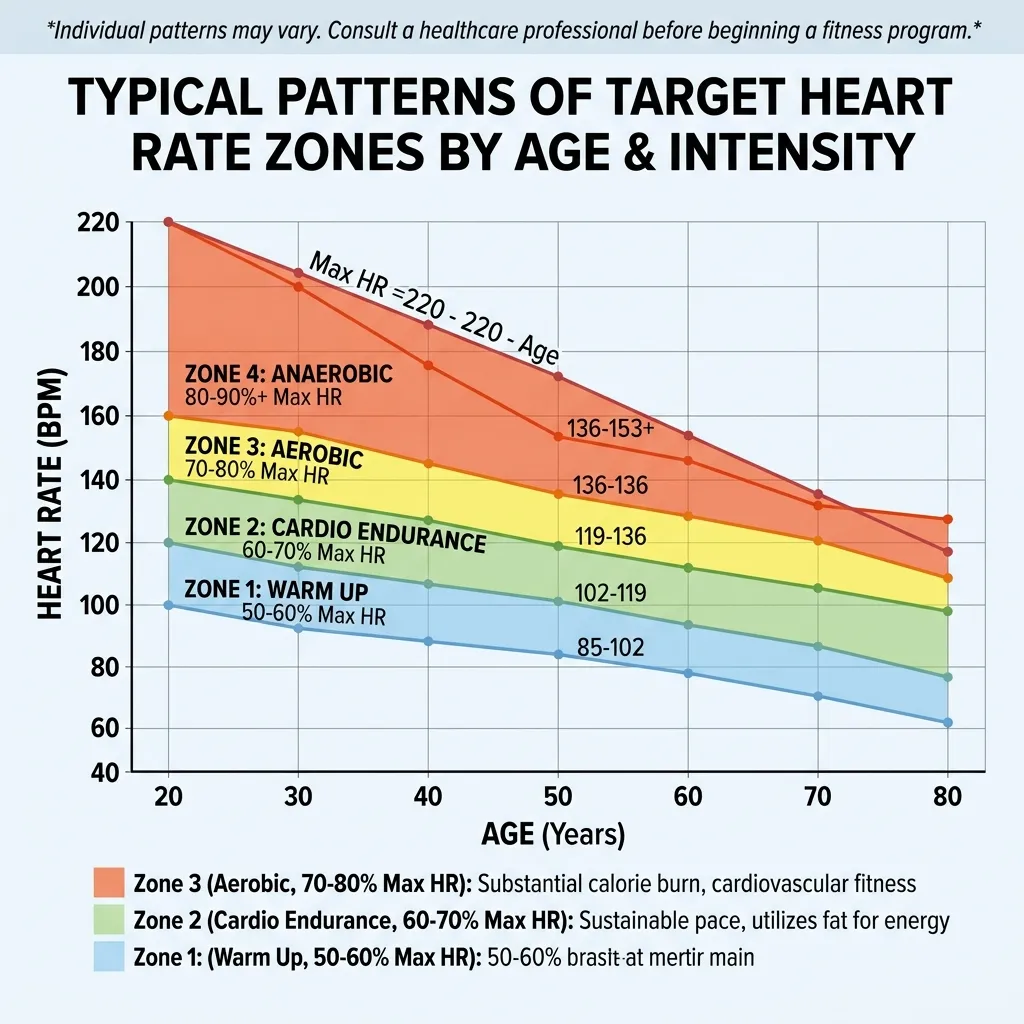
Cardio workouts strengthen your heart muscle, lower blood pressure, and improve insulin sensitivity. As a beginner, focus on low-impact cardio like brisk walking, stationary cycling, or swimming. Aim for moderate intensity where you can talk but not sing (Zone 2 cardio). Start with 20 to 30 minutes per session, targeting 150 minutes of moderate aerobic activity per week.
Building this habit relies on understanding how your body adapts to these changes. For instance, when establishing new patterns, the body adapts best to minor, consistent changes. This method minimizes stress responses and supports cellular recovery. Studies published by major research institutions, such as the National Institutes of Health (NIH), confirm that consistency is the primary factor in cognitive and cardiorespiratory improvement. Make sure you adjust these steps to fit your personal fitness levels and consult your primary care doctor before introducing changes to your routine.
For example, when establishing new eating habits, start by changing one meal at a time, such as focusing on a high-protein breakfast. This helps build confidence and momentum without overwhelming your daily routine. Practice mindful eating by chewing slowly and turning off screens during meals to connect with your body’s natural hunger cues. This simple habit supports digestion and prevents overeating naturally, making it easier to maintain a healthy lifestyle.
2. Resistance Training for Strength and Longevity
Building Muscle and Preserving Bone Density
Strength training is essential to preserve muscle tissue and stimulate bone density. Focus on basic compound movements that work multiple muscles, such as squats, wall push-ups, glute bridges, and planks. Start with bodyweight exercises, performing 2 sets of 10 to 12 repetitions. Rest for 60 to 90 seconds between sets to allow muscle fibers to recover.
Building this habit relies on understanding how your body adapts to these changes. For instance, when establishing new patterns, the body adapts best to minor, consistent changes. This method minimizes stress responses and supports cellular recovery. Studies published by major research institutions, such as the National Institutes of Health (NIH), confirm that consistency is the primary factor in cognitive and cardiorespiratory improvement. Make sure you adjust these steps to fit your personal fitness levels and consult your primary care doctor before introducing changes to your routine.
For example, when establishing new eating habits, start by changing one meal at a time, such as focusing on a high-protein breakfast. This helps build confidence and momentum without overwhelming your daily routine. Practice mindful eating by chewing slowly and turning off screens during meals to connect with your body’s natural hunger cues. This simple habit supports digestion and prevents overeating naturally, making it easier to maintain a healthy lifestyle.
3. Warm-Ups, Cool-Downs, and Joint Mobility
Preventing Strains and Improving Flexibility
Always begin your workout with a 5-minute dynamic warm-up to increase blood flow and prepare joints for exercise (e.g., arm circles, gentle leg swings). End your workout with static stretching to improve joint flexibility and ease muscle stiffness. Hold stretches for 15 to 30 seconds without bouncing to protect connective tissues.
Building this habit relies on understanding how your body adapts to these changes. For instance, when establishing new patterns, the body adapts best to minor, consistent changes. This method minimizes stress responses and supports cellular recovery. Studies published by major research institutions, such as the National Institutes of Health (NIH), confirm that consistency is the primary factor in cognitive and cardiorespiratory improvement. Make sure you adjust these steps to fit your personal fitness levels and consult your primary care doctor before introducing changes to your routine.
For example, when establishing new eating habits, start by changing one meal at a time, such as focusing on a high-protein breakfast. This helps build confidence and momentum without overwhelming your daily routine. Practice mindful eating by chewing slowly and turning off screens during meals to connect with your body’s natural hunger cues. This simple habit supports digestion and prevents overeating naturally, making it easier to maintain a healthy lifestyle.
4. Structuring Your Week (The FITT Principle)
Frequency, Intensity, Time, and Type
To build a balanced routine, follow the FITT principle. For beginners, a sample schedule includes: 3 days of brisk walking (cardio), 2 days of full-body resistance training (strength), and 2 rest days. Ensure you allow 48 hours of recovery before working the same muscle groups again to facilitate safe muscle repair.
Building this habit relies on understanding how your body adapts to these changes. For instance, when establishing new patterns, the body adapts best to minor, consistent changes. This method minimizes stress responses and supports cellular recovery. Studies published by major research institutions, such as the National Institutes of Health (NIH), confirm that consistency is the primary factor in cognitive and cardiorespiratory improvement. Make sure you adjust these steps to fit your personal fitness levels and consult your primary care doctor before introducing changes to your routine.
For example, when establishing new eating habits, start by changing one meal at a time, such as focusing on a high-protein breakfast. This helps build confidence and momentum without overwhelming your daily routine. Practice mindful eating by chewing slowly and turning off screens during meals to connect with your body’s natural hunger cues. This simple habit supports digestion and prevents overeating naturally, making it easier to maintain a healthy lifestyle.
5. Safe Progression and Listening to Your Body
Avoiding Injury with the 10% Rule
Mastering proper form is more important than lifting heavy weights. To progress safely, use the 10% rule: increase your workout duration, distance, or weight by no more than 10% each week. Listen to your body and distinguish normal muscle fatigue from joint pain; consult a physician if you experience persistent joint discomfort.
Building this habit relies on understanding how your body adapts to these changes. For instance, when establishing new patterns, the body adapts best to minor, consistent changes. This method minimizes stress responses and supports cellular recovery. Studies published by major research institutions, such as the National Institutes of Health (NIH), confirm that consistency is the primary factor in cognitive and cardiorespiratory improvement. Make sure you adjust these steps to fit your personal fitness levels and consult your primary care doctor before introducing changes to your routine.
For example, when establishing new eating habits, start by changing one meal at a time, such as focusing on a high-protein breakfast. This helps build confidence and momentum without overwhelming your daily routine. Practice mindful eating by chewing slowly and turning off screens during meals to connect with your body’s natural hunger cues. This simple habit supports digestion and prevents overeating naturally, making it easier to maintain a healthy lifestyle.
4-Week Progressive Beginner Workout Plan
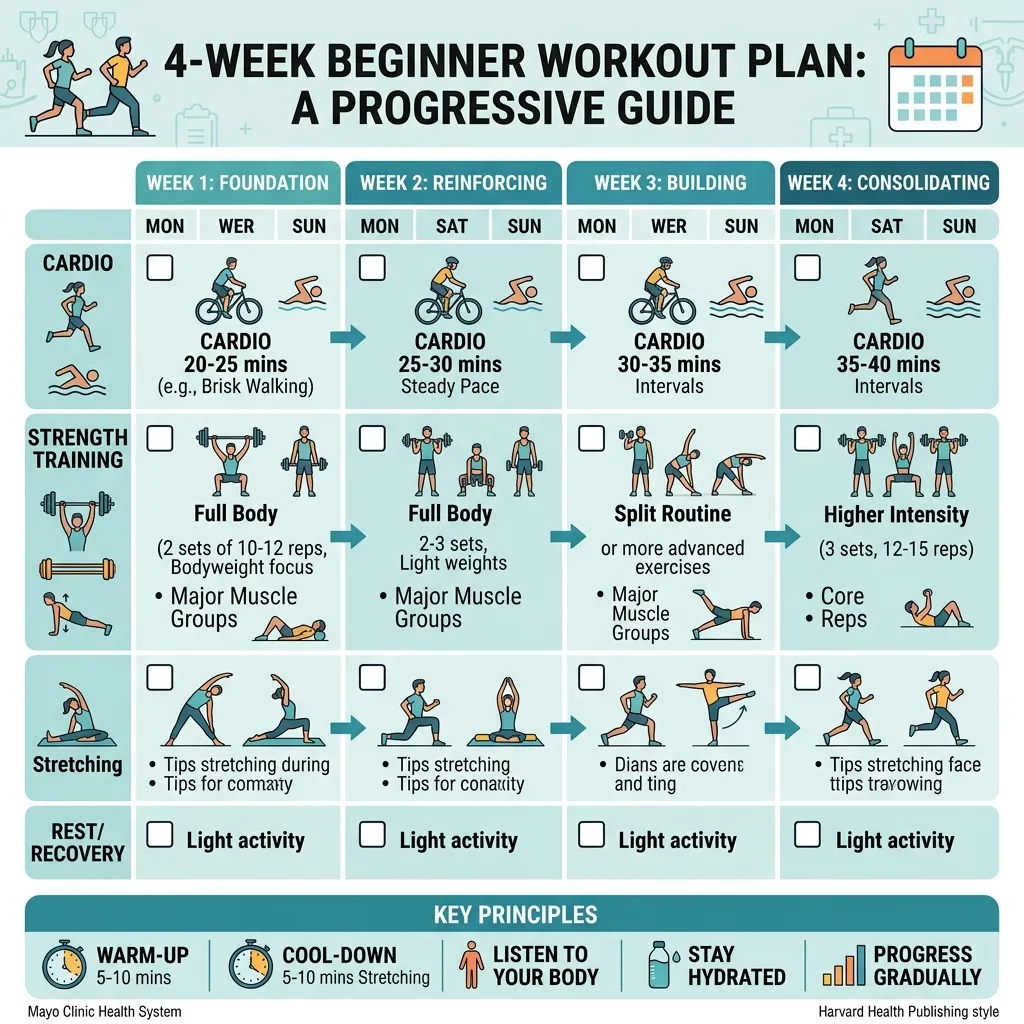
This 4-week structured schedule helps you transition safely into daily movement while avoiding muscle strain. Always perform a 5-minute dynamic warm-up before these routines.
| Week | Monday & Wednesday (Cardio) | Tuesday & Thursday (Strength) | Friday & Saturday (Active Recovery) |
|---|---|---|---|
| Week 1 | 20 minutes brisk walking at conversational pace. | 2 sets of 10 bodyweight squats and 10 wall push-ups. | 15 minutes light stroll outdoors. |
| Week 2 | 22 minutes brisk walking (10% increase). | 2 sets of 12 bodyweight squats and 12 wall push-ups. | 15 minutes light walk plus hip mobility stretches. |
| Week 3 | 25 minutes brisk walking. | 2 sets of 10 chair squats and 10 incline push-ups (table height). | 20 minutes light walk and shoulder rotations. |
| Week 4 | 28 minutes brisk walking. | 3 sets of 10 chair squats and 10 incline push-ups (ground focus). | 20 minutes light walk and full dynamic stretching. |
Perform these movements slowly and under control. Rest for 24 hours between strength sessions to ensure proper recovery.
Clinical Research & Biological Context
To understand the physiological importance of these habits, it is useful to examine the clinical studies that support them. Research in the field of endocrinology has established that behavior changes are closely linked to biochemical pathways. For example, when studies examine dietary protein and fiber intake, researchers observe a direct modulation of blood glucose levels and circulating satiety hormones. This endocrine response prevents the rapid rise and fall of insulin, supporting insulin sensitivity and preventing systemic inflammatory responses that contribute to cardiovascular disease.
Similarly, in the area of exercise physiology, studies confirm that physical activity triggers muscular and neural adaptations. Resistance training stimulates muscle protein synthesis and osteoblast activity, which are necessary to preserve muscle tissue and stimulate bone density. Cardiorespiratory workouts improve stroke volume and oxygen extraction by active skeletal muscles. These changes support cardiovascular health and reduce metabolic risk factors. In neurological studies, consistent physical activity has been shown to stimulate the release of brain-derived neurotrophic factor (BDNF), a protein that supports cell health, memory, and cognitive reserve.
Furthermore, sleep medicine research has highlighted the critical role of sleep hygiene in systemic restoration. During deep sleep, the brain activates the glymphatic system to clear metabolic waste, such as beta-amyloid plaques. Restricting sleep disrupts this process and alters the balance of leptin and ghrelin, driving cravings for processed, high-calorie foods. Chronic stress also keeps cortisol levels elevated, which encourages the storage of visceral fat and suppresses immune function. Practicing daily stress management techniques helps regulate the autonomic nervous system, supporting recovery and overall wellness.
Frequently Asked Questions
Q1: How often should a beginner workout?
Start with 2 to 3 days per week of structured activity, gradually increasing as your stamina improves.
Q2: Do I need gym equipment to start?
No, bodyweight exercises (squats, planks, push-ups) are highly effective for building baseline strength and mobility.
Q3: What should a basic weekly plan look like?
A mix of 150 minutes of brisk walking per week, paired with 2 days of simple resistance exercises.
Q4: Why are warm-ups important?
They raise muscle temperature, improve joint range of motion, and reduce the risk of muscle strains.
Q5: What is the 10% rule?
A safety guideline to increase workout duration or weight by no more than 10% each week to avoid injury.
🩺 Medical Disclaimer
The wellness information, guides, and suggestions provided in this article are for educational and motivational purposes only. This content is not a substitute for professional medical advice, diagnosis, treatment, or therapy. Always consult with a qualified healthcare professional or physician before starting any new diet, fitness program, or wellness plan.
References & Sources
- American College of Sports Medicine (ACSM) – Exercise Guidelines
- CDC – Physical Activity Guidelines for Americans
- Mayo Clinic – Fitness Program Design Guide
Conclusion
In summary, achieving long-term wellness is a journey built on small, daily choices. Whether you are focusing on nutrition, starting a beginner exercise routine, or working on stress control, consistency is key. We hold all our health content to the site’s rigorous Editorial Standards. Use these science-backed strategies to guide your journey, listen to your body, and consult a qualified healthcare provider for personalized medical advice.

About the Author: Kayra Reven
Kayra Reven is a dedicated Health & Wellness Writer at HealthWellness4US. Driven by a philosophy of evidence-based education and compassionate guidance, her writing approach focuses on translating complex clinical research into practical daily habits. She holds all content to the site’s rigorous Editorial Standards.
📚 Explore Related Fitness & Recovery Guides:
- Strength Training for Beginners – Foundational bodyweight and dumbbell mechanics.
- Best Muscle Recovery Tools – Relieve muscle soreness after workouts.
- Best Massage Guns on Amazon Guide – Deep tissue recovery devices compared.
Related Aerobic Guide: Explore our low-impact cardio routines for beginners for a knee-safe 20-minute workout.
Related Workout & Mobility Guides