Welcome to HealthWellness4US, your source for evidence-based health education. In the search for sustainable wellness, healthy weight management stands out as one of the most widely discussed yet frequently misunderstood topics. Traditional diet culture often frames weight control as a battle of willpower, relying on extreme calorie restriction and exhaustive exercise routines. However, clinical research shows that long-term success is rooted in understanding body physiology, hormonal pathways, and daily behavioral habits. By aligning your habits with your body’s natural metabolic processes, you can achieve a healthy weight profile without triggering biological starvation responses.
⚡ Quick Answer
Healthy weight management is achieved by establishing a sustainable, moderate energy deficit, prioritizing dietary protein and fiber for satiety, preserving lean muscle mass through resistance training, and managing sleep and stress hormones to optimize metabolism. Extreme deprivation is counterproductive as it triggers muscle loss and slows metabolic rate.
📌 Key Takeaways
- Metabolism is dynamic and responds to lifestyle habits, not just genetics.
- A moderate energy deficit of 300 to 500 calories preserves metabolic rate and muscle.
- Dietary protein and fiber are the primary dietary drivers of satiety.
- Strength training is essential to prevent sarcopenia (muscle loss) during weight loss.
- Sleep quality and stress management directly regulate fat storage hormones.
📋 Table of Contents
(Tap to expand)
- 1. The Physics of Energy Balance (Thermodynamics)
- 2. The Hormonal Control of Appetite and Fat Storage
- 3. Prioritizing Dietary Protein and Fiber for Satiety
- 4. Preserving Muscle Mass Through Resistance Training
- 5. The Impact of Sleep Quality on Weight Regulation
- 6. Managing Stress to Control Cortisol and Cravings
- 7. Setting a Safe and Sustainable Energy Deficit
- 8. Staying Hydrated to Support Metabolic Function
- 9. Focusing on Whole Foods and Nuanced Nutrition
- 10. Overcoming Weight Loss Plateaus Safely
- Frequently Asked Questions
- References & Sources
- Conclusion
1. The Physics of Energy Balance (Thermodynamics)
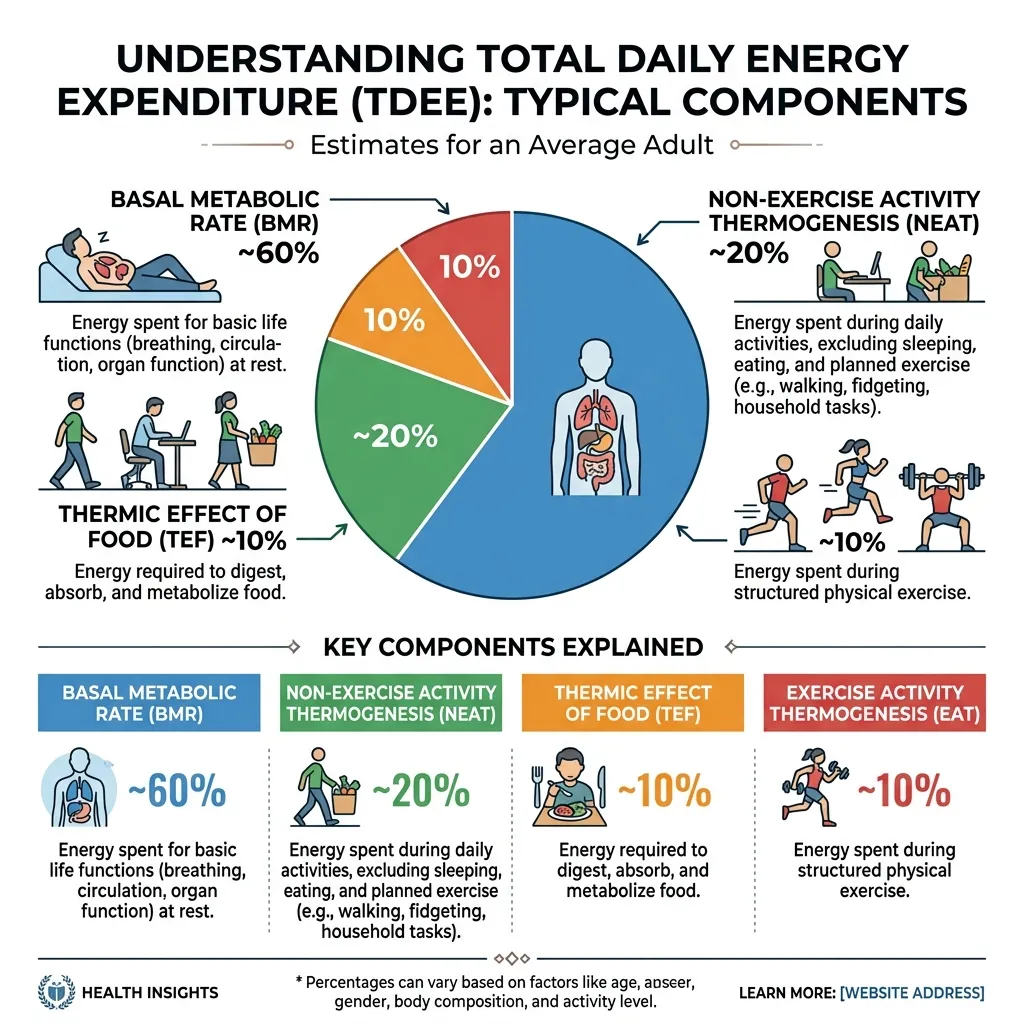
BMR, TDEE, NEAT, and the Thermic Effect of Food
Weight management is governed by the first law of thermodynamics, which states that energy cannot be created or destroyed, only transformed. To lose weight, you must create an energy deficit. However, the ‘calories in, calories out’ equation is complex. Your Total Daily Energy Expenditure (TDEE) consists of four parts: Basal Metabolic Rate (BMR), which is the energy your body needs at rest; Non-Exercise Activity Thermogenesis (NEAT), which covers daily movement like standing and walking; the Thermic Effect of Food (TEF), which is the energy required to digest nutrients; and Exercise Activity Thermogenesis (EAT). To manage weight, focus on increasing NEAT and optimizing TEF by consuming high-protein foods, which require more energy to digest compared to fats or carbohydrates.
Building this habit relies on understanding how your body adapts to these changes. For instance, when establishing new patterns, the body adapts best to minor, consistent changes. This method minimizes stress responses and supports cellular recovery. Studies published by major research institutions, such as the National Institutes of Health (NIH), confirm that consistency is the primary factor in cognitive and cardiorespiratory improvement. Make sure you adjust these steps to fit your personal fitness levels and consult your primary care doctor before introducing changes to your routine.
For example, if you are planning to adjust your daily step count, aim for a gradual increase of 1,000 steps per day each week rather than doubling your goal immediately. This allows your cardiovascular system and joint structure to adapt safely, preventing tendonitis or excessive fatigue. Similarly, when tracking your diet, keep a simple food journal for three days to build awareness of your baseline habits before making adjustments. Focus on adding high-fiber vegetables to your meals first, which naturally crowds out processed options without triggering feelings of restriction.
Physiological research shows that these habits work synergistically. When you combine resistance training with a high-protein intake, you maximize muscle protein synthesis, preventing the muscle wasting that often accompanies calorie restriction. This ensures that the weight you lose comes from body fat, supporting a healthy metabolic rate. Additionally, maintaining a consistent sleep schedule regulates cortisol and ghrelin levels, reducing late-night food cravings and making it easier to stick to your nutrition plan. Focus on making one small change at a time to build a sustainable wellness routine.
2. The Hormonal Control of Appetite and Fat Storage
Understanding Leptin, Ghrelin, and Insulin
Appetite and fat distribution are heavily regulated by hormones. Leptin is produced by fat cells and signals fullness to the brain, while ghrelin is released by the stomach to signal hunger. When you restrict calories too aggressively, leptin drops and ghrelin spikes, leading to intense cravings. Additionally, insulin regulates blood sugar levels and fat storage. Diets high in refined carbohydrates cause frequent insulin spikes, which can promote fat storage and insulin resistance over time. Balancing your macronutrients by including lean proteins and healthy fats help stabilize blood sugar, manage insulin response, and keep hunger hormones in check.
Building this habit relies on understanding how your body adapts to these changes. For instance, when establishing new patterns, the body adapts best to minor, consistent changes. This method minimizes stress responses and supports cellular recovery. Studies published by major research institutions, such as the National Institutes of Health (NIH), confirm that consistency is the primary factor in cognitive and cardiorespiratory improvement. Make sure you adjust these steps to fit your personal fitness levels and consult your primary care doctor before introducing changes to your routine.
For example, if you are planning to adjust your daily step count, aim for a gradual increase of 1,000 steps per day each week rather than doubling your goal immediately. This allows your cardiovascular system and joint structure to adapt safely, preventing tendonitis or excessive fatigue. Similarly, when tracking your diet, keep a simple food journal for three days to build awareness of your baseline habits before making adjustments. Focus on adding high-fiber vegetables to your meals first, which naturally crowds out processed options without triggering feelings of restriction.
Physiological research shows that these habits work synergistically. When you combine resistance training with a high-protein intake, you maximize muscle protein synthesis, preventing the muscle wasting that often accompanies calorie restriction. This ensures that the weight you lose comes from body fat, supporting a healthy metabolic rate. Additionally, maintaining a consistent sleep schedule regulates cortisol and ghrelin levels, reducing late-night food cravings and making it easier to stick to your nutrition plan. Focus on making one small change at a time to build a sustainable wellness routine.
3. Prioritizing Dietary Protein and Fiber for Satiety
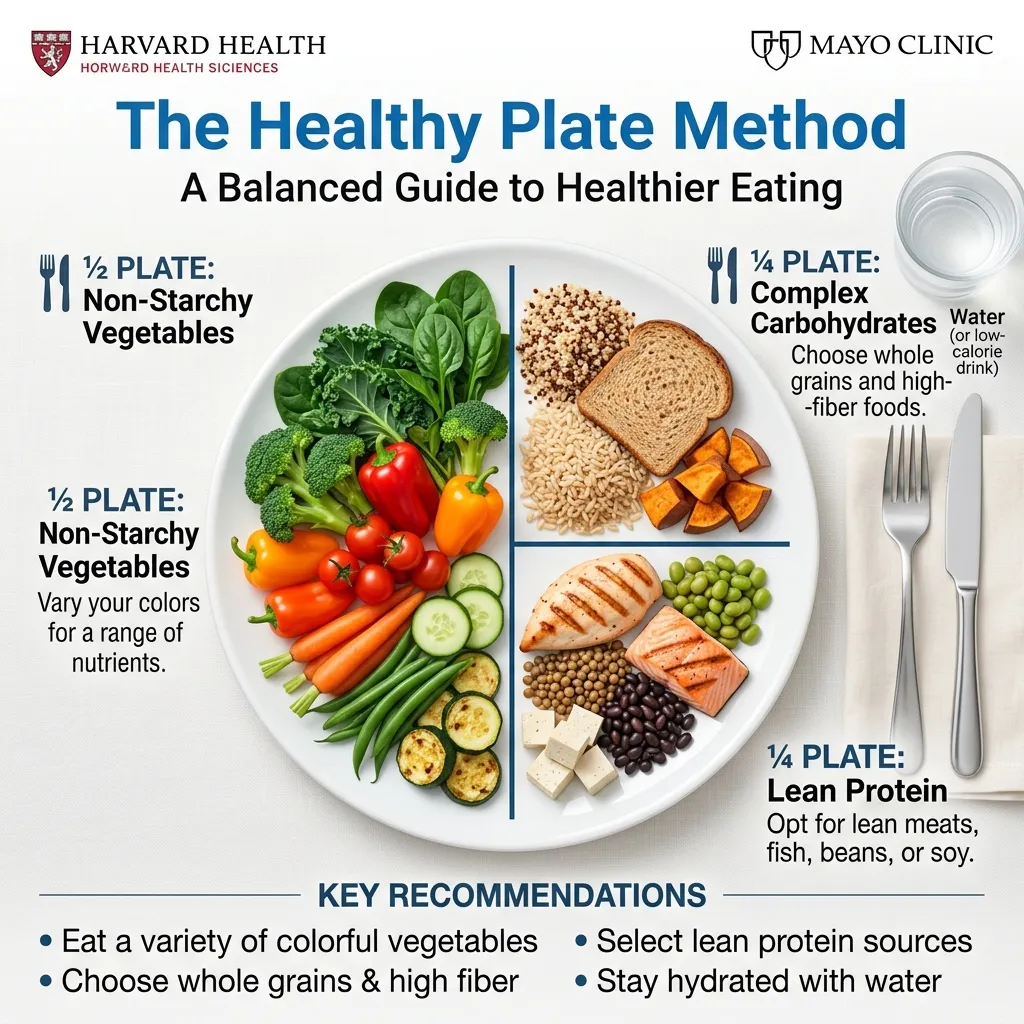
How Macronutrients Manage Hunger Naturally
To maintain a calorie deficit without feeling hungry, prioritize protein and fiber. Protein is the most satiating macronutrient; it stimulates the release of satiety hormones like peptide YY and GLP-1 while reducing ghrelin. Soluble fiber absorbs water and forms a gel-like substance in the digestive tract, slowing stomach emptying and glucose absorption. Aim for 1.6 to 2.2 grams of protein per kilogram of body weight daily, and target 25 to 38 grams of dietary fiber. This dietary approach supports healthy eating habits and makes portion management effortless.
Building this habit relies on understanding how your body adapts to these changes. For instance, when establishing new patterns, the body adapts best to minor, consistent changes. This method minimizes stress responses and supports cellular recovery. Studies published by major research institutions, such as the National Institutes of Health (NIH), confirm that consistency is the primary factor in cognitive and cardiorespiratory improvement. Make sure you adjust these steps to fit your personal fitness levels and consult your primary care doctor before introducing changes to your routine.
For example, if you are planning to adjust your daily step count, aim for a gradual increase of 1,000 steps per day each week rather than doubling your goal immediately. This allows your cardiovascular system and joint structure to adapt safely, preventing tendonitis or excessive fatigue. Similarly, when tracking your diet, keep a simple food journal for three days to build awareness of your baseline habits before making adjustments. Focus on adding high-fiber vegetables to your meals first, which naturally crowds out processed options without triggering feelings of restriction.
Physiological research shows that these habits work synergistically. When you combine resistance training with a high-protein intake, you maximize muscle protein synthesis, preventing the muscle wasting that often accompanies calorie restriction. This ensures that the weight you lose comes from body fat, supporting a healthy metabolic rate. Additionally, maintaining a consistent sleep schedule regulates cortisol and ghrelin levels, reducing late-night food cravings and making it easier to stick to your nutrition plan. Focus on making one small change at a time to build a sustainable wellness routine.
4. Preserving Muscle Mass Through Resistance Training
Why Strength Work is Vital for Your Metabolism
When you lose weight, your body burns both fat and muscle tissue. Losing muscle reduces your Basal Metabolic Rate, making it easier to regain weight. To prevent this, incorporate regular strength training into your routine. Lifting weights or performing bodyweight resistance exercises stimulates muscle protein synthesis, preserving lean tissue. This ensures that the weight you lose comes from fat, supporting a healthy metabolic rate and overall physical strength as you age.
Building this habit relies on understanding how your body adapts to these changes. For instance, when establishing new patterns, the body adapts best to minor, consistent changes. This method minimizes stress responses and supports cellular recovery. Studies published by major research institutions, such as the National Institutes of Health (NIH), confirm that consistency is the primary factor in cognitive and cardiorespiratory improvement. Make sure you adjust these steps to fit your personal fitness levels and consult your primary care doctor before introducing changes to your routine.
For example, if you are planning to adjust your daily step count, aim for a gradual increase of 1,000 steps per day each week rather than doubling your goal immediately. This allows your cardiovascular system and joint structure to adapt safely, preventing tendonitis or excessive fatigue. Similarly, when tracking your diet, keep a simple food journal for three days to build awareness of your baseline habits before making adjustments. Focus on adding high-fiber vegetables to your meals first, which naturally crowds out processed options without triggering feelings of restriction.
Physiological research shows that these habits work synergistically. When you combine resistance training with a high-protein intake, you maximize muscle protein synthesis, preventing the muscle wasting that often accompanies calorie restriction. This ensures that the weight you lose comes from body fat, supporting a healthy metabolic rate. Additionally, maintaining a consistent sleep schedule regulates cortisol and ghrelin levels, reducing late-night food cravings and making it easier to stick to your nutrition plan. Focus on making one small change at a time to build a sustainable wellness routine.
5. The Impact of Sleep Quality on Weight Regulation
How Rest Restores Metabolic and Hormonal Balance
Chronic sleep deprivation is a major obstacle to weight management. Sleeping less than 7 hours per night elevates cortisol, a stress hormone that promotes abdominal fat storage. Sleep loss also reduces insulin sensitivity, making your cells less responsive to glucose, and disrupts the leptin-ghrelin balance. Prioritizing sleep hygiene is essential for fat loss and metabolic health. Aim for 7 to 9 hours of quality sleep nightly to support your weight management goals.
Building this habit relies on understanding how your body adapts to these changes. For instance, when establishing new patterns, the body adapts best to minor, consistent changes. This method minimizes stress responses and supports cellular recovery. Studies published by major research institutions, such as the National Institutes of Health (NIH), confirm that consistency is the primary factor in cognitive and cardiorespiratory improvement. Make sure you adjust these steps to fit your personal fitness levels and consult your primary care doctor before introducing changes to your routine.
For example, if you are planning to adjust your daily step count, aim for a gradual increase of 1,000 steps per day each week rather than doubling your goal immediately. This allows your cardiovascular system and joint structure to adapt safely, preventing tendonitis or excessive fatigue. Similarly, when tracking your diet, keep a simple food journal for three days to build awareness of your baseline habits before making adjustments. Focus on adding high-fiber vegetables to your meals first, which naturally crowds out processed options without triggering feelings of restriction.
Physiological research shows that these habits work synergistically. When you combine resistance training with a high-protein intake, you maximize muscle protein synthesis, preventing the muscle wasting that often accompanies calorie restriction. This ensures that the weight you lose comes from body fat, supporting a healthy metabolic rate. Additionally, maintaining a consistent sleep schedule regulates cortisol and ghrelin levels, reducing late-night food cravings and making it easier to stick to your nutrition plan. Focus on making one small change at a time to build a sustainable wellness routine.
6. Managing Stress to Control Cortisol and Cravings
The Connection Between Stress and Visceral Fat
Chronic stress keeps cortisol levels elevated, which triggers cravings for high-calorie, sugary foods. Cortisol also encourages the storage of visceral fat, the dangerous fat around abdominal organs. Practicing daily stress management techniques—like outdoor walking, deep breathing exercises, or mindfulness—helps lower cortisol levels, reduces emotional eating, and supports long-term metabolic health.
Building this habit relies on understanding how your body adapts to these changes. For instance, when establishing new patterns, the body adapts best to minor, consistent changes. This method minimizes stress responses and supports cellular recovery. Studies published by major research institutions, such as the National Institutes of Health (NIH), confirm that consistency is the primary factor in cognitive and cardiorespiratory improvement. Make sure you adjust these steps to fit your personal fitness levels and consult your primary care doctor before introducing changes to your routine.
For example, if you are planning to adjust your daily step count, aim for a gradual increase of 1,000 steps per day each week rather than doubling your goal immediately. This allows your cardiovascular system and joint structure to adapt safely, preventing tendonitis or excessive fatigue. Similarly, when tracking your diet, keep a simple food journal for three days to build awareness of your baseline habits before making adjustments. Focus on adding high-fiber vegetables to your meals first, which naturally crowds out processed options without triggering feelings of restriction.
Physiological research shows that these habits work synergistically. When you combine resistance training with a high-protein intake, you maximize muscle protein synthesis, preventing the muscle wasting that often accompanies calorie restriction. This ensures that the weight you lose comes from body fat, supporting a healthy metabolic rate. Additionally, maintaining a consistent sleep schedule regulates cortisol and ghrelin levels, reducing late-night food cravings and making it easier to stick to your nutrition plan. Focus on making one small change at a time to build a sustainable wellness routine.
7. Setting a Safe and Sustainable Energy Deficit
Why Moderate Deficits Beat Extreme Restriction
Crash diets that restrict calories to very low levels trigger a protective metabolic slowdown. Your body responds to severe energy restriction by reducing active movement (NEAT) and thyroid hormone output, stalling weight loss. To protect your metabolism, aim for a moderate deficit of 300 to 500 calories below your TDEE. This supports gradual, safe fat loss of 1 to 2 pounds per week, which is easier to maintain over time.
Building this habit relies on understanding how your body adapts to these changes. For instance, when establishing new patterns, the body adapts best to minor, consistent changes. This method minimizes stress responses and supports cellular recovery. Studies published by major research institutions, such as the National Institutes of Health (NIH), confirm that consistency is the primary factor in cognitive and cardiorespiratory improvement. Make sure you adjust these steps to fit your personal fitness levels and consult your primary care doctor before introducing changes to your routine.
For example, if you are planning to adjust your daily step count, aim for a gradual increase of 1,000 steps per day each week rather than doubling your goal immediately. This allows your cardiovascular system and joint structure to adapt safely, preventing tendonitis or excessive fatigue. Similarly, when tracking your diet, keep a simple food journal for three days to build awareness of your baseline habits before making adjustments. Focus on adding high-fiber vegetables to your meals first, which naturally crowds out processed options without triggering feelings of restriction.
Physiological research shows that these habits work synergistically. When you combine resistance training with a high-protein intake, you maximize muscle protein synthesis, preventing the muscle wasting that often accompanies calorie restriction. This ensures that the weight you lose comes from body fat, supporting a healthy metabolic rate. Additionally, maintaining a consistent sleep schedule regulates cortisol and ghrelin levels, reducing late-night food cravings and making it easier to stick to your nutrition plan. Focus on making one small change at a time to build a sustainable wellness routine.
8. Staying Hydrated to Support Metabolic Function
Why Water is Crucial for Lipolysis
Water is necessary for lipolysis, the biological process of burning fat for energy. Dehydration slows down this process and can impair kidney and liver function. Additionally, the brain often confuses mild dehydration with hunger, leading to unnecessary calorie consumption. Drinking water throughout the day, especially before meals, supports metabolic function, aids digestion, and helps manage portions naturally.
Building this habit relies on understanding how your body adapts to these changes. For instance, when establishing new patterns, the body adapts best to minor, consistent changes. This method minimizes stress responses and supports cellular recovery. Studies published by major research institutions, such as the National Institutes of Health (NIH), confirm that consistency is the primary factor in cognitive and cardiorespiratory improvement. Make sure you adjust these steps to fit your personal fitness levels and consult your primary care doctor before introducing changes to your routine.
For example, if you are planning to adjust your daily step count, aim for a gradual increase of 1,000 steps per day each week rather than doubling your goal immediately. This allows your cardiovascular system and joint structure to adapt safely, preventing tendonitis or excessive fatigue. Similarly, when tracking your diet, keep a simple food journal for three days to build awareness of your baseline habits before making adjustments. Focus on adding high-fiber vegetables to your meals first, which naturally crowds out processed options without triggering feelings of restriction.
Physiological research shows that these habits work synergistically. When you combine resistance training with a high-protein intake, you maximize muscle protein synthesis, preventing the muscle wasting that often accompanies calorie restriction. This ensures that the weight you lose comes from body fat, supporting a healthy metabolic rate. Additionally, maintaining a consistent sleep schedule regulates cortisol and ghrelin levels, reducing late-night food cravings and making it easier to stick to your nutrition plan. Focus on making one small change at a time to build a sustainable wellness routine.
9. Focusing on Whole Foods and Nuanced Nutrition
Choosing Nutrient-Dense Options over Empty Calories
While calorie balance determines weight changes, food quality determines health outcomes. Focus on whole foods like vegetables, fruits, whole grains, and lean proteins. It is important to note that not all processed foods are harmful. Canned beans, frozen vegetables, and plain rolled oats are minimally processed but highly nutritious, affordable options. Minimize ultra-processed foods containing artificial additives, excess sodium, and refined sugars, which can disrupt gut health and increase cravings.
Building this habit relies on understanding how your body adapts to these changes. For instance, when establishing new patterns, the body adapts best to minor, consistent changes. This method minimizes stress responses and supports cellular recovery. Studies published by major research institutions, such as the National Institutes of Health (NIH), confirm that consistency is the primary factor in cognitive and cardiorespiratory improvement. Make sure you adjust these steps to fit your personal fitness levels and consult your primary care doctor before introducing changes to your routine.
For example, if you are planning to adjust your daily step count, aim for a gradual increase of 1,000 steps per day each week rather than doubling your goal immediately. This allows your cardiovascular system and joint structure to adapt safely, preventing tendonitis or excessive fatigue. Similarly, when tracking your diet, keep a simple food journal for three days to build awareness of your baseline habits before making adjustments. Focus on adding high-fiber vegetables to your meals first, which naturally crowds out processed options without triggering feelings of restriction.
Physiological research shows that these habits work synergistically. When you combine resistance training with a high-protein intake, you maximize muscle protein synthesis, preventing the muscle wasting that often accompanies calorie restriction. This ensures that the weight you lose comes from body fat, supporting a healthy metabolic rate. Additionally, maintaining a consistent sleep schedule regulates cortisol and ghrelin levels, reducing late-night food cravings and making it easier to stick to your nutrition plan. Focus on making one small change at a time to build a sustainable wellness routine.
10. Overcoming Weight Loss Plateaus Safely
Adjusting Your Plan as Your Body Adapts
As you lose weight, your body requires less energy to function, which can lead to a weight loss plateau. To break a plateau, re-calculate your TDEE based on your new weight, ensure accurate portion tracking, and consider increasing your strength training intensity. Avoid dropping calories to dangerously low levels; instead, focus on increasing daily movement and prioritizing protein to kickstart your progress.
Building this habit relies on understanding how your body adapts to these changes. For instance, when establishing new patterns, the body adapts best to minor, consistent changes. This method minimizes stress responses and supports cellular recovery. Studies published by major research institutions, such as the National Institutes of Health (NIH), confirm that consistency is the primary factor in cognitive and cardiorespiratory improvement. Make sure you adjust these steps to fit your personal fitness levels and consult your primary care doctor before introducing changes to your routine.
For example, if you are planning to adjust your daily step count, aim for a gradual increase of 1,000 steps per day each week rather than doubling your goal immediately. This allows your cardiovascular system and joint structure to adapt safely, preventing tendonitis or excessive fatigue. Similarly, when tracking your diet, keep a simple food journal for three days to build awareness of your baseline habits before making adjustments. Focus on adding high-fiber vegetables to your meals first, which naturally crowds out processed options without triggering feelings of restriction.
Physiological research shows that these habits work synergistically. When you combine resistance training with a high-protein intake, you maximize muscle protein synthesis, preventing the muscle wasting that often accompanies calorie restriction. This ensures that the weight you lose comes from body fat, supporting a healthy metabolic rate. Additionally, maintaining a consistent sleep schedule regulates cortisol and ghrelin levels, reducing late-night food cravings and making it easier to stick to your nutrition plan. Focus on making one small change at a time to build a sustainable wellness routine.
Frequently Asked Questions
Q1: What is the most effective way to manage weight?
Focus on a moderate calorie deficit, a high-protein and high-fiber diet, regular strength training, quality sleep, and consistent daily movement.
Q2: How much weight is safe to lose per week?
A safe and sustainable rate of weight loss is 1 to 2 pounds per week, which preserves muscle mass and protects your metabolic rate.
Q3: Does drinking water help you lose weight?
Yes, hydration supports the metabolic breakdown of fat and prevents the brain from confusing thirst with hunger.
Q4: Why is sleep important for weight management?
Poor sleep raises cortisol and ghrelin (hunger hormone) while lowering leptin, driving cravings and promoting fat storage.
Q5: Can you manage weight without exercise?
Yes, weight management is primarily driven by nutrition. However, exercise—especially strength training—is crucial for preserving muscle and overall health.
🩺 Medical Disclaimer
The wellness information, guides, and suggestions provided in this article are for educational and motivational purposes only. This content is not a substitute for professional medical advice, diagnosis, treatment, or therapy. Always consult with a qualified healthcare professional or physician before starting any new diet, fitness program, or wellness plan.
References & Sources
- National Institutes of Health (NIH) – Evidence-Based Weight Control Guidelines
- Centers for Disease Control and Prevention (CDC) – Healthy Weight and Physical Activity
- Harvard T.H. Chan School of Public Health – Obesity Prevention Source
- American Heart Association (AHA) – Lifestyle and Cardiometabolic Health Recommendations
Conclusion
In summary, achieving long-term wellness is a journey built on small, daily choices. Whether you are focusing on nutrition, starting a beginner exercise routine, or working on stress control, consistency is key. We hold all our health content to the site’s rigorous Editorial Standards. Use these science-backed strategies to guide your journey, listen to your body, and consult a qualified healthcare provider for personalized medical advice.

About the Author: Kayra Reven
Kayra Reven is a dedicated Health & Wellness Writer at HealthWellness4US. Driven by a philosophy of evidence-based education and compassionate guidance, her writing approach focuses on translating complex clinical research into practical daily habits. She holds all content to the site’s rigorous Editorial Standards.
📚 Related Metabolic & Lifestyle Resources:
- How to Build Healthy Eating Habits for Life – Mindful portioning and satiety.
- Strength Training for Beginners – Preserve lean muscle tissue during fat loss.
- Sleep Improvement Master Guide – Regulate ghrelin and leptin hunger hormones.