Building healthy eating habits is not about following strict diets or cutting out food groups. Diets fail because they are restrictive and unsustainable. Long-term health is built on small, daily choices that support your nutrition goals. By understanding the psychology of habit change, practicing mindful eating, and structuring your kitchen environment, you can build a sustainable lifestyle that supports your well-being.
⚡ Quick Answer
Healthy eating habits are built by focusing on consistency over restriction. Implement the habit loop (cue, routine, reward) to swap unhealthy options, practice mindful eating by chewing slowly and avoiding screens, use the plate method for portion control, and organize your kitchen to make healthy foods the default choice.
📌 Key Takeaways
- Habit change relies on modifying environmental triggers, not just willpower.
- Mindful eating supports digestion and helps you recognize natural fullness cues.
- The plate method simplifies portion control without tracking calories.
- Meal prep and kitchen organization make healthy choices convenient.
- Healthy snacking combines protein and fiber to stabilize blood sugar.
📋 Table of Contents
(Tap to expand)
- 1. The Psychology of Habit Loop in Nutrition
- 2. Practicing Mindful Eating Daily
- 3. Environment Design: Structuring Your Kitchen
- 4. Mastering Portion Control with the Plate Method
- 5. Smart Snacking to Stabilize Blood Sugar
- 7-Day Healthy Eating Habit-Stacking Tracker
- Clinical Research & Biological Context
- Frequently Asked Questions
- References & Sources
- Conclusion
1. The Psychology of Habit Loop in Nutrition
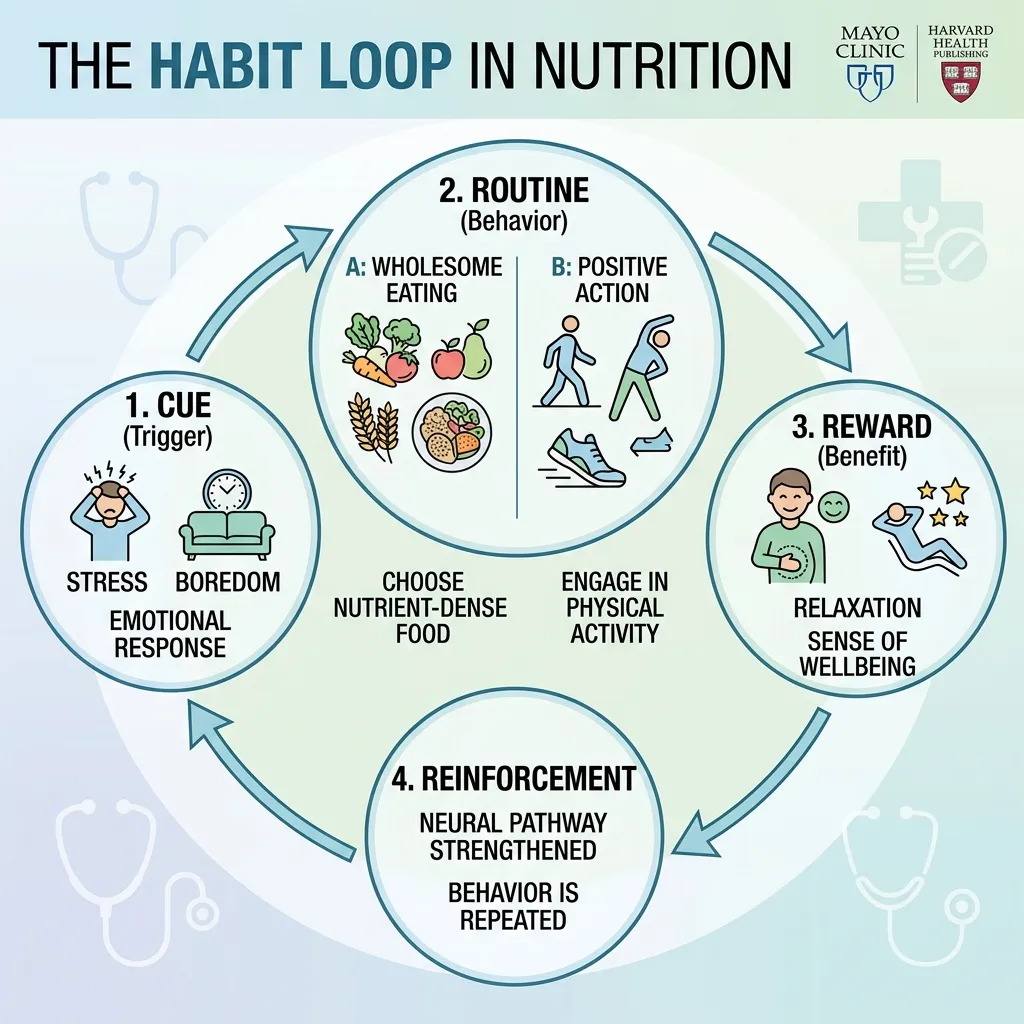
How to Cue, Perform, and Reward Healthy Choices
Every habit consists of three parts: a cue (trigger), a routine (behavior), and a reward. Unhealthy eating habits often trigger in response to emotional cues like stress or boredom. To build healthy eating habits, identify these triggers and swap the routine. For example, if stress triggers a craving for sugary snacks, swap the routine for a 10-minute walk or a cup of herbal tea. Rewarding yourself with non-food rewards helps reinforce the new habit loop.
Building this habit relies on understanding how your body adapts to these changes. For instance, when establishing new patterns, the body adapts best to minor, consistent changes. This method minimizes stress responses and supports cellular recovery. Studies published by major research institutions, such as the National Institutes of Health (NIH), confirm that consistency is the primary factor in cognitive and cardiorespiratory improvement. Make sure you adjust these steps to fit your personal fitness levels and consult your primary care doctor before introducing changes to your routine.
For example, when establishing new eating habits, start by changing one meal at a time, such as focusing on a high-protein breakfast. This helps build confidence and momentum without overwhelming your daily routine. Practice mindful eating by chewing slowly and turning off screens during meals to connect with your body’s natural hunger cues. This simple habit supports digestion and prevents overeating naturally, making it easier to maintain a healthy lifestyle.
2. Practicing Mindful Eating Daily
Slowing Down to Connect with Hunger Signals
Mindful eating is a powerful tool to prevent overeating and improve digestion. In our busy routines, we often eat quickly while distracted by screens. This overrides our body’s natural fullness signals, which take about 20 minutes to reach the brain. Practice eating slowly, chewing thoroughly, and turning off screens during meals. This helps you enjoy your food and notice when you are comfortably satisfied.
Building this habit relies on understanding how your body adapts to these changes. For instance, when establishing new patterns, the body adapts best to minor, consistent changes. This method minimizes stress responses and supports cellular recovery. Studies published by major research institutions, such as the National Institutes of Health (NIH), confirm that consistency is the primary factor in cognitive and cardiorespiratory improvement. Make sure you adjust these steps to fit your personal fitness levels and consult your primary care doctor before introducing changes to your routine.
For example, when establishing new eating habits, start by changing one meal at a time, such as focusing on a high-protein breakfast. This helps build confidence and momentum without overwhelming your daily routine. Practice mindful eating by chewing slowly and turning off screens during meals to connect with your body’s natural hunger cues. This simple habit supports digestion and prevents overeating naturally, making it easier to maintain a healthy lifestyle.
3. Environment Design: Structuring Your Kitchen
Making Healthy Choices the Easiest Option
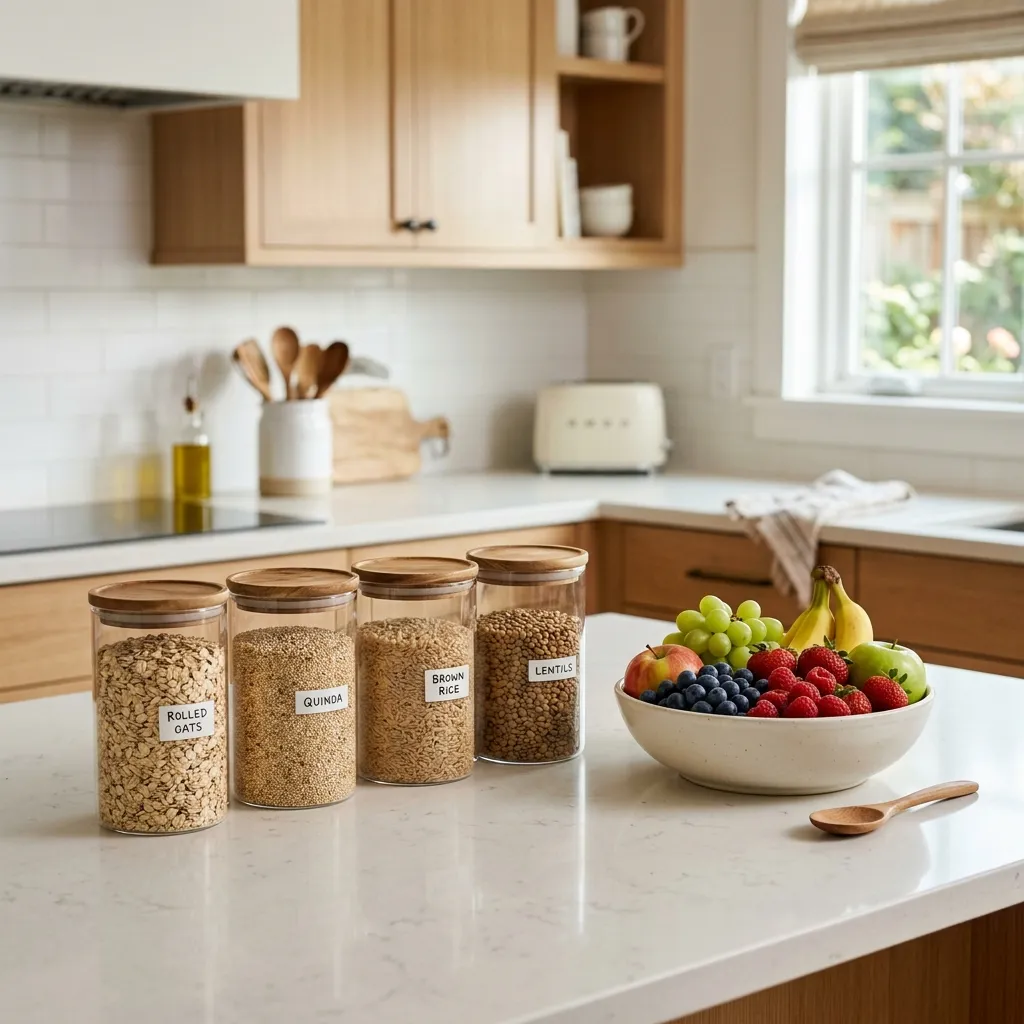
Your environment has a major impact on your choices. If unhealthy snacks are visible on your counter, you are more likely to eat them. Design your kitchen to make healthy foods the default choice. Keep fresh fruit in a bowl on the counter, store pre-chopped vegetables at eye level in the fridge, and keep processed snacks in a pantry out of sight. This simple design supports your nutrition goals naturally.
Building this habit relies on understanding how your body adapts to these changes. For instance, when establishing new patterns, the body adapts best to minor, consistent changes. This method minimizes stress responses and supports cellular recovery. Studies published by major research institutions, such as the National Institutes of Health (NIH), confirm that consistency is the primary factor in cognitive and cardiorespiratory improvement. Make sure you adjust these steps to fit your personal fitness levels and consult your primary care doctor before introducing changes to your routine.
For example, when establishing new eating habits, start by changing one meal at a time, such as focusing on a high-protein breakfast. This helps build confidence and momentum without overwhelming your daily routine. Practice mindful eating by chewing slowly and turning off screens during meals to connect with your body’s natural hunger cues. This simple habit supports digestion and prevents overeating naturally, making it easier to maintain a healthy lifestyle.
4. Mastering Portion Control with the Plate Method
A Simple Visual Guide to Balanced Meals
You do not need to track every calorie to manage portions. The plate method is a simple visual guide: fill half your plate with non-starchy vegetables, a quarter with lean protein, and a quarter with complex carbohydrates. Add a thumb-sized portion of healthy fats. This layout optimizes hormone response, keeps blood sugar stable, and promotes satiety naturally.
Building this habit relies on understanding how your body adapts to these changes. For instance, when establishing new patterns, the body adapts best to minor, consistent changes. This method minimizes stress responses and supports cellular recovery. Studies published by major research institutions, such as the National Institutes of Health (NIH), confirm that consistency is the primary factor in cognitive and cardiorespiratory improvement. Make sure you adjust these steps to fit your personal fitness levels and consult your primary care doctor before introducing changes to your routine.
For example, when establishing new eating habits, start by changing one meal at a time, such as focusing on a high-protein breakfast. This helps build confidence and momentum without overwhelming your daily routine. Practice mindful eating by chewing slowly and turning off screens during meals to connect with your body’s natural hunger cues. This simple habit supports digestion and prevents overeating naturally, making it easier to maintain a healthy lifestyle.
5. Smart Snacking to Stabilize Blood Sugar
Combining Protein and Fiber for Lasting Energy
Snacking can support or stall your goals. Processed carb snacks spike insulin and trigger subsequent energy crashes. To avoid this, choose snacks that combine protein and fiber, such as Greek yogurt with berries or apple slices with almond butter. This combination digests slowly, providing steady energy and keeping you full until your next meal.
Building this habit relies on understanding how your body adapts to these changes. For instance, when establishing new patterns, the body adapts best to minor, consistent changes. This method minimizes stress responses and supports cellular recovery. Studies published by major research institutions, such as the National Institutes of Health (NIH), confirm that consistency is the primary factor in cognitive and cardiorespiratory improvement. Make sure you adjust these steps to fit your personal fitness levels and consult your primary care doctor before introducing changes to your routine.
For example, when establishing new eating habits, start by changing one meal at a time, such as focusing on a high-protein breakfast. This helps build confidence and momentum without overwhelming your daily routine. Practice mindful eating by chewing slowly and turning off screens during meals to connect with your body’s natural hunger cues. This simple habit supports digestion and prevents overeating naturally, making it easier to maintain a healthy lifestyle.
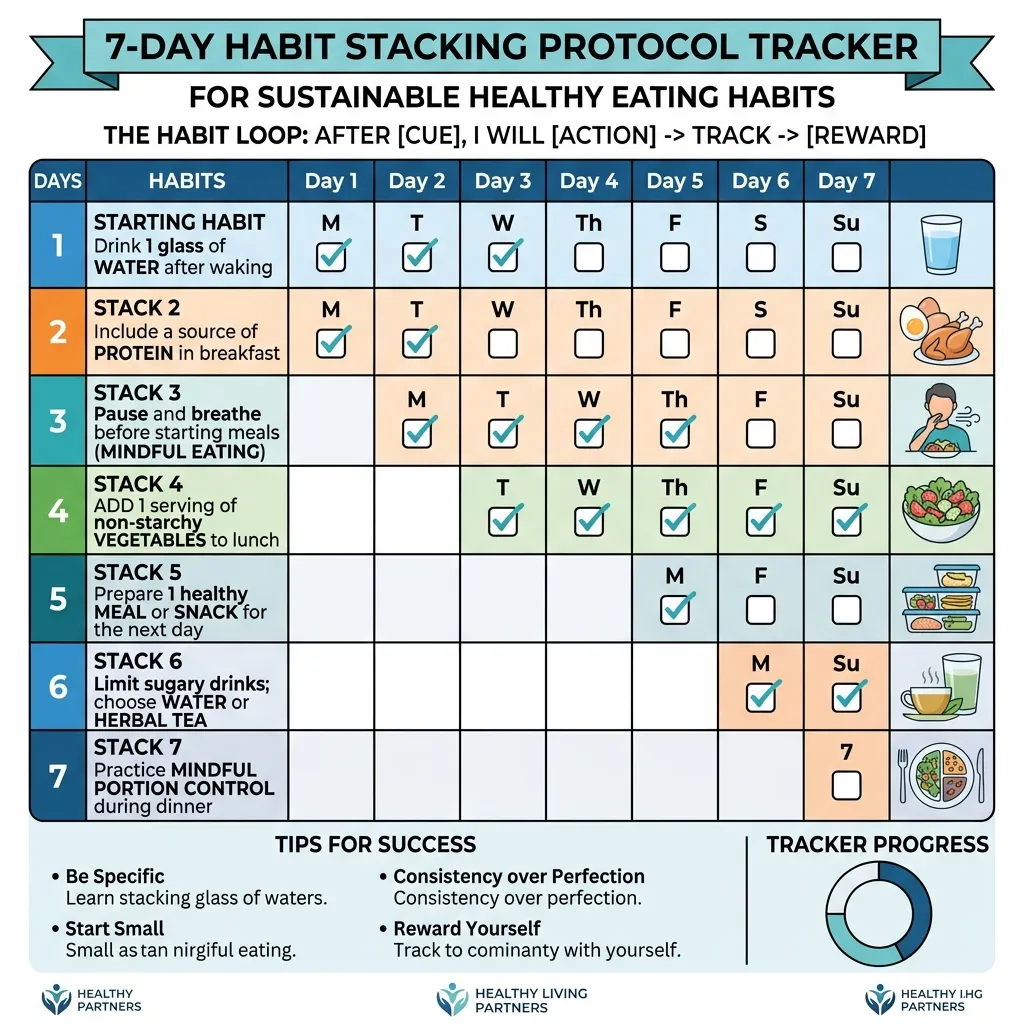
7-Day Healthy Eating Habit-Stacking Tracker
To help you implement these habits systematically, use the habit-stacking protocol below. Focus on mastering Day 1 and Day 2 before progressing to the subsequent steps. This incremental structure ensures sustainable behavior change without lifestyle shock.
| Day | New Habit Action | Trigger / Stacking Anchor | Expected Satiety Outcome |
|---|---|---|---|
| Day 1 | Drink 12 ounces of plain water immediately upon waking. | Immediately after turning off your morning alarm. | Combats dehydration-induced morning hunger cues. |
| Day 2 | Stack a high-protein option at breakfast (minimum 25g protein). | Directly after finishing your morning water. | Stabilizes ghrelin and insulin levels throughout the morning. |
| Day 3 | Add a physical visual trigger by placing a fresh fruit bowl on the counter. | After washing morning breakfast dishes. | Reduces cognitive effort required to choose healthy snacks. |
| Day 4 | Practice mindful eating: turn off all screens and chew food 20 times. | Right after sitting down at the dinner table. | Improves leptin reception and prevents speed-induced overeating. |
| Day 5 | Implement the Plate Method layout for lunch and dinner. | When serving food onto plates. | Ensures natural calorie deficit and macronutrient balance. |
| Day 6 | Pack snacks combining protein + fiber (e.g., raw nuts + berries). | Before leaving for work or errands. | Prevents blood sugar drops and late-afternoon vending machine runs. |
| Day 7 | Perform weekly pantry cleanup and visual food cue reorganization. | Every Sunday afternoon before grocery shopping. | Sets up environment for successful execution during the busy week. |
Using this progressive approach helps integrate these behaviors into your subconscious routine, making healthy choices a natural part of your day.
Clinical Research & Biological Context
To understand the physiological importance of these habits, it is useful to examine the clinical studies that support them. Research in the field of endocrinology has established that behavior changes are closely linked to biochemical pathways. For example, when studies examine dietary protein and fiber intake, researchers observe a direct modulation of blood glucose levels and circulating satiety hormones. This endocrine response prevents the rapid rise and fall of insulin, supporting insulin sensitivity and preventing systemic inflammatory responses that contribute to cardiovascular disease.
Similarly, in the area of exercise physiology, studies confirm that physical activity triggers muscular and neural adaptations. Resistance training stimulates muscle protein synthesis and osteoblast activity, which are necessary to preserve muscle tissue and stimulate bone density. Cardiorespiratory workouts improve stroke volume and oxygen extraction by active skeletal muscles. These changes support cardiovascular health and reduce metabolic risk factors. In neurological studies, consistent physical activity has been shown to stimulate the release of brain-derived neurotrophic factor (BDNF), a protein that supports cell health, memory, and cognitive reserve.
Furthermore, sleep medicine research has highlighted the critical role of sleep hygiene in systemic restoration. During deep sleep, the brain activates the glymphatic system to clear metabolic waste, such as beta-amyloid plaques. Restricting sleep disrupts this process and alters the balance of leptin and ghrelin, driving cravings for processed, high-calorie foods. Chronic stress also keeps cortisol levels elevated, which encourages the storage of visceral fat and suppresses immune function. Practicing daily stress management techniques helps regulate the autonomic nervous system, supporting recovery and overall wellness.
Frequently Asked Questions
Q1: How do you build healthy eating habits?
Start small by making one change at a time, such as drinking more water or adding a serving of vegetables to dinner.
Q2: What is mindful eating?
A practice where you focus on the present moment, observing thoughts, sensations, and fullness cues during meals without distraction.
Q3: How do I control portions easily?
Use the plate method: half vegetables, one-quarter lean protein, and one-quarter healthy starches.
Q4: What is a healthy snack option?
A handful of raw nuts with fruit, or carrot sticks with hummus, which offer fiber, protein, and healthy fats.
Q5: Why do diets fail?
Because they are restrictive and unsustainable. Long-term health is built on gradual, daily lifestyle habits.
🩺 Medical Disclaimer
The wellness information, guides, and suggestions provided in this article are for educational and motivational purposes only. This content is not a substitute for professional medical advice, diagnosis, treatment, or therapy. Always consult with a qualified healthcare professional or physician before starting any new diet, fitness program, or wellness plan.
References & Sources
- USDA MyPlate Guidelines – Dietary Guidelines for Americans
- Harvard T.H. Chan School of Public Health – The Healthy Eating Plate
- National Institutes of Health (NIH) – Mindful Eating and Health
Conclusion
In summary, achieving long-term wellness is a journey built on small, daily choices. Whether you are focusing on nutrition, starting a beginner exercise routine, or working on stress control, consistency is key. We hold all our health content to the site’s rigorous Editorial Standards. Use these science-backed strategies to guide your journey, listen to your body, and consult a qualified healthcare provider for personalized medical advice.

About the Author: Kayra Reven
Kayra Reven is a dedicated Health & Wellness Writer at HealthWellness4US. Driven by a philosophy of evidence-based education and compassionate guidance, her writing approach focuses on translating complex clinical research into practical daily habits. She holds all content to the site’s rigorous Editorial Standards.
📚 Continue Building Healthy Habits:
- Principles of Healthy Eating Guide – Macronutrients, hydration, and gut health.
- Why Organic Foods Matter for Family Health – Smart grocery shopping strategies.
- Practical Stress Management Techniques – Control emotional eating and stress cravings.
For foundational dietary principles, review our evidence-based nutrition guides.