Understanding the principles of healthy eating is key to supporting your long-term health. Nutrition can feel complex with shifting diet trends, but the basics remain the same. Our nutrition guides break down these essentials, covering macronutrients, micronutrients, hydration, and gut health to help you make informed dietary choices.
⚡ Quick Answer
Nutrition is built on four core pillars: consuming adequate macronutrients (protein, carbs, fats), obtaining essential micronutrients (vitamins and minerals), staying hydrated to support cellular function, and feeding your gut microbiome with fiber-rich whole foods. Focus on diet quality and balance.
📌 Key Takeaways
- Macronutrients provide the energy and building blocks for the body.
- Micronutrients support essential biochemical reactions and immune function.
- Nuanced food choices include minimally processed whole foods.
- Hydration is vital for nutrient transport and metabolic processes.
- A healthy gut microbiome requires prebiotic fiber from diverse plants.
📋 Table of Contents
(Tap to expand)
- 1. Understanding Macronutrients
- 2. The Role of Essential Micronutrients
- 3. Minimally Processed vs. Ultra-Processed Foods
- 4. Hydration and Metabolic Health
- 5. Feeding Your Gut Microbiome
- 3-Day Nutrient-Dense Sample Meal Plan
- Clinical Research & Biological Context
- Frequently Asked Questions
- References & Sources
- Conclusion
1. Understanding Macronutrients
Proteins, Carbohydrates, and Fats
Macronutrients are nutrients the body needs in large amounts for energy and structure. Proteins are the building blocks of cells, vital for muscle repair and hormone production; aim for lean meats, fish, eggs, and legumes. Carbohydrates are the body’s primary energy source; choose complex carbs like whole grains and vegetables over refined sugars. Fats are essential for brain function and nutrient absorption; focus on monounsaturated and omega-3 fats from olive oil, avocados, and fish.
Building this habit relies on understanding how your body adapts to these changes. For instance, when establishing new patterns, the body adapts best to minor, consistent changes. This method minimizes stress responses and supports cellular recovery. Studies published by major research institutions, such as the National Institutes of Health (NIH), confirm that consistency is the primary factor in cognitive and cardiorespiratory improvement. Make sure you adjust these steps to fit your personal fitness levels and consult your primary care doctor before introducing changes to your routine.
For example, when establishing new eating habits, start by changing one meal at a time, such as focusing on a high-protein breakfast. This helps build confidence and momentum without overwhelming your daily routine. Practice mindful eating by chewing slowly and turning off screens during meals to connect with your body’s natural hunger cues. This simple habit supports digestion and prevents overeating naturally, making it easier to maintain a healthy lifestyle.
2. The Role of Essential Micronutrients
Vitamins and Minerals for Optimal Function
Micronutrients are vitamins and minerals needed in small amounts to support biochemical reactions. Key minerals include Calcium and Vitamin D for bone health; Iron for oxygen transport; and Magnesium for muscle function. Consuming a colorful variety of fruits and vegetables ensures you get a wide range of antioxidants and minerals to support your immune system and cellular repair.
Building this habit relies on understanding how your body adapts to these changes. For instance, when establishing new patterns, the body adapts best to minor, consistent changes. This method minimizes stress responses and supports cellular recovery. Studies published by major research institutions, such as the National Institutes of Health (NIH), confirm that consistency is the primary factor in cognitive and cardiorespiratory improvement. Make sure you adjust these steps to fit your personal fitness levels and consult your primary care doctor before introducing changes to your routine.
For example, when establishing new eating habits, start by changing one meal at a time, such as focusing on a high-protein breakfast. This helps build confidence and momentum without overwhelming your daily routine. Practice mindful eating by chewing slowly and turning off screens during meals to connect with your body’s natural hunger cues. This simple habit supports digestion and prevents overeating naturally, making it easier to maintain a healthy lifestyle.
3. Minimally Processed vs. Ultra-Processed Foods
Making Nuanced Dietary Choices Daily
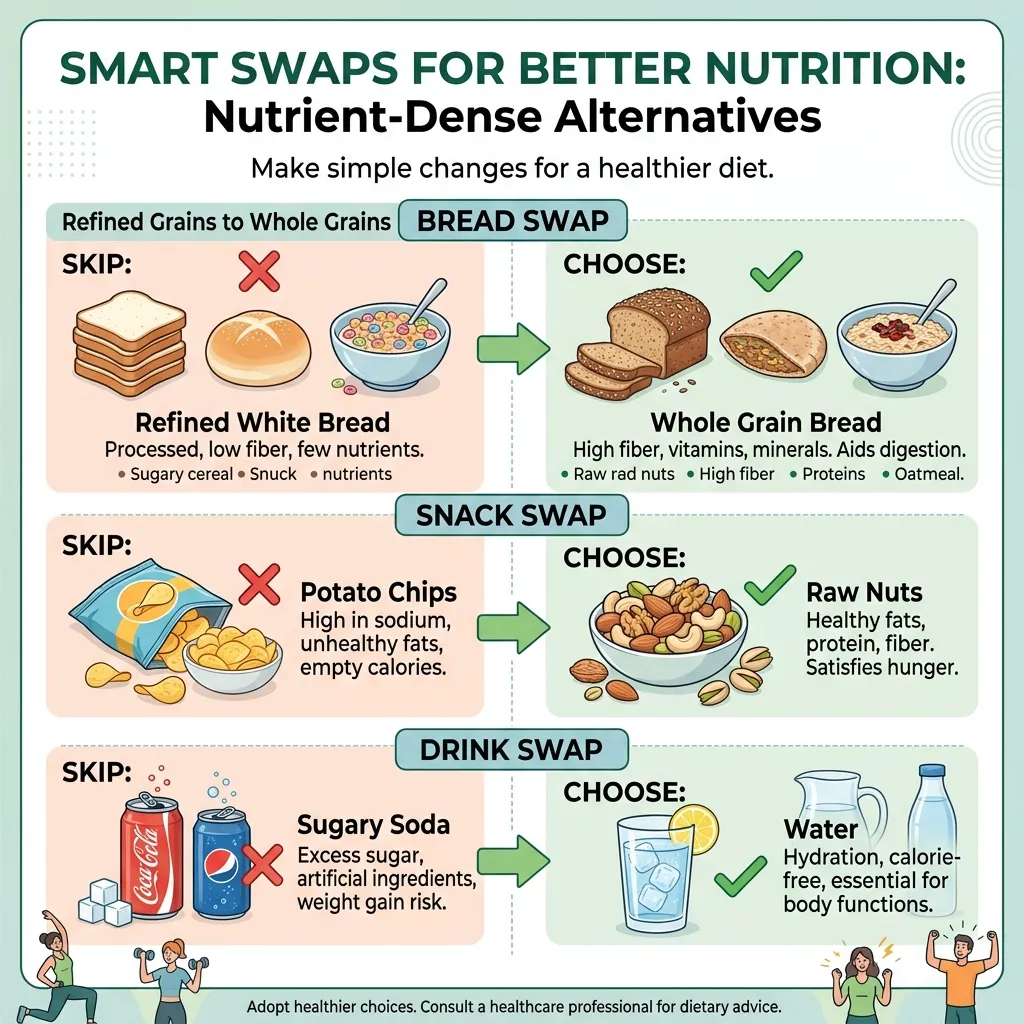
While whole foods should form the foundation of your diet, not all processed foods are harmful. Canned beans, frozen vegetables, and plain oats are minimally processed but highly nutritious and convenient. The key is to minimize ultra-processed foods containing artificial additives, excess sodium, and refined sugars, which can cause systemic inflammation and disrupt gut health.
Building this habit relies on understanding how your body adapts to these changes. For instance, when establishing new patterns, the body adapts best to minor, consistent changes. This method minimizes stress responses and supports cellular recovery. Studies published by major research institutions, such as the National Institutes of Health (NIH), confirm that consistency is the primary factor in cognitive and cardiorespiratory improvement. Make sure you adjust these steps to fit your personal fitness levels and consult your primary care doctor before introducing changes to your routine.
For example, when establishing new eating habits, start by changing one meal at a time, such as focusing on a high-protein breakfast. This helps build confidence and momentum without overwhelming your daily routine. Practice mindful eating by chewing slowly and turning off screens during meals to connect with your body’s natural hunger cues. This simple habit supports digestion and prevents overeating naturally, making it easier to maintain a healthy lifestyle.
4. Hydration and Metabolic Health
Why Water is Crucial for Nutrient Transport
Water is necessary for cellular function, regulating temperature, and transporting nutrients. Dehydration can cause fatigue, headaches, and a slowed metabolic rate. Aim for approximately 11.5 cups (2.7 liters) of fluid daily for women and 15.5 cups (3.7 liters) for men, adjusted upward for physical activity and climate. Focus on water, herbal teas, and water-rich foods.
Building this habit relies on understanding how your body adapts to these changes. For instance, when establishing new patterns, the body adapts best to minor, consistent changes. This method minimizes stress responses and supports cellular recovery. Studies published by major research institutions, such as the National Institutes of Health (NIH), confirm that consistency is the primary factor in cognitive and cardiorespiratory improvement. Make sure you adjust these steps to fit your personal fitness levels and consult your primary care doctor before introducing changes to your routine.
For example, when establishing new eating habits, start by changing one meal at a time, such as focusing on a high-protein breakfast. This helps build confidence and momentum without overwhelming your daily routine. Practice mindful eating by chewing slowly and turning off screens during meals to connect with your body’s natural hunger cues. This simple habit supports digestion and prevents overeating naturally, making it easier to maintain a healthy lifestyle.
5. Feeding Your Gut Microbiome
Prebiotics, Probiotics, and Digestive Wellness
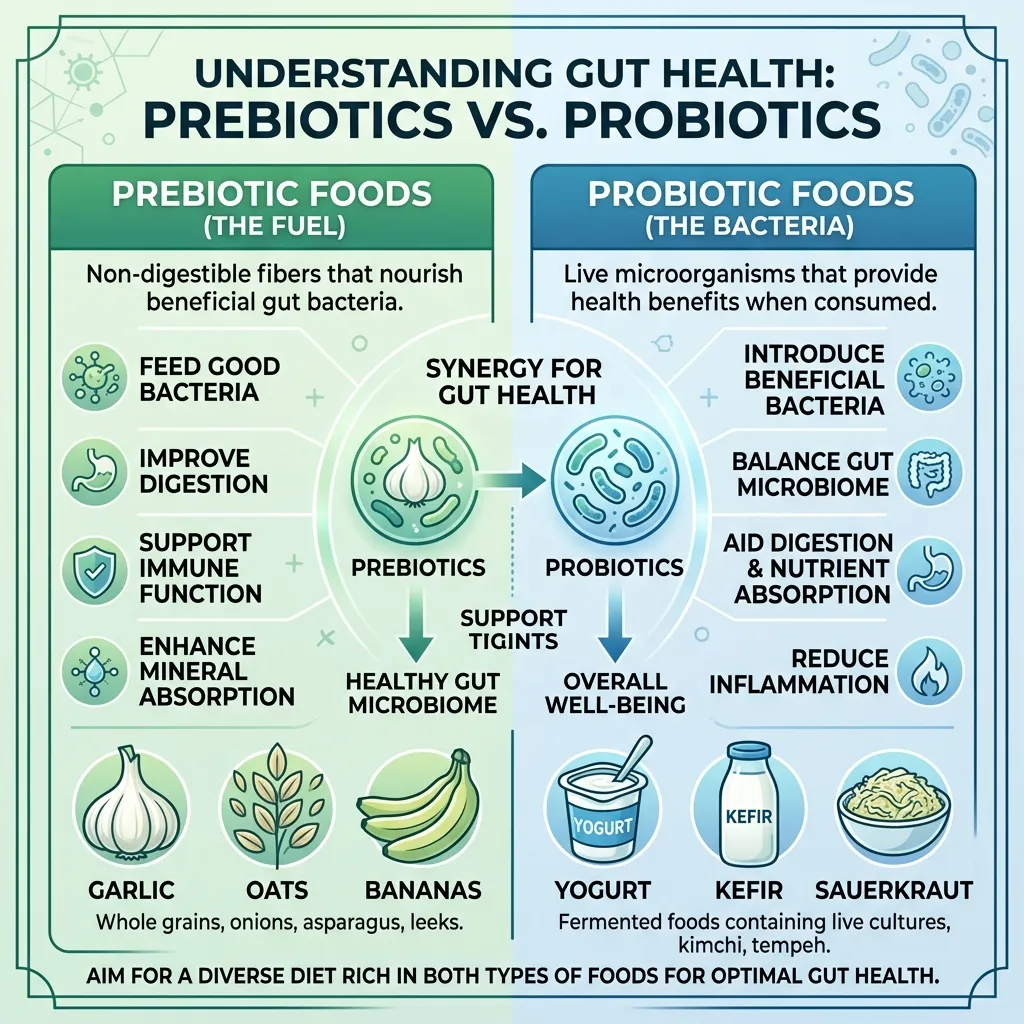
Your gut microbiome consists of trillions of bacteria that influence immunity, mood, and metabolism. To feed these beneficial bacteria, consume prebiotic fiber from foods like garlic, onions, oats, and bananas. Pair this with probiotic foods containing live cultures, such as Greek yogurt, kefir, sauerkraut, and kimchi, to support digestive health and overall wellness.
Building this habit relies on understanding how your body adapts to these changes. For instance, when establishing new patterns, the body adapts best to minor, consistent changes. This method minimizes stress responses and supports cellular recovery. Studies published by major research institutions, such as the National Institutes of Health (NIH), confirm that consistency is the primary factor in cognitive and cardiorespiratory improvement. Make sure you adjust these steps to fit your personal fitness levels and consult your primary care doctor before introducing changes to your routine.
For example, when establishing new eating habits, start by changing one meal at a time, such as focusing on a high-protein breakfast. This helps build confidence and momentum without overwhelming your daily routine. Practice mindful eating by chewing slowly and turning off screens during meals to connect with your body’s natural hunger cues. This simple habit supports digestion and prevents overeating naturally, making it easier to maintain a healthy lifestyle.
3-Day Nutrient-Dense Sample Meal Plan
This 3-day sample meal plan outlines how to easily balance your macronutrient and fiber requirements. It focuses on whole foods while incorporating minimally processed ingredients for convenience.
| Meal | Day 1 Plan | Day 2 Plan | Day 3 Plan |
|---|---|---|---|
| Breakfast | Steel-cut oatmeal topped with chia seeds, blueberries, and walnuts, paired with two soft-boiled eggs. | Plain Greek yogurt layered with raspberries, pumpkin seeds, and a drizzle of raw honey. | Scrambled eggs with spinach and mushrooms, served with a slice of whole-grain toast and avocado. |
| Lunch | Grilled chicken breast strips over a bed of spinach, sliced cucumbers, and olives, dressed in olive oil. | Quinoa bowl with mixed greens, black beans, tomatoes, and grilled tofu, dressed with fresh lime juice. | Canned salmon salad made with Greek yogurt, diced celery, and dill, wrapped in romaine lettuce leaves. |
| Dinner | Baked cod served with roasted zucchini, bell peppers, quinoa, and a side of steamed broccoli. | Pan-seared wild salmon alongside roasted asparagus and mashed sweet potato. | Lentil soup rich in carrots, celery, and spinach, paired with a small side salad. |
| Snack | Apple slices with a tablespoon of natural almond butter. | Carrot and celery sticks served with two tablespoons of hummus. | A small handful of raw mixed nuts (walnuts, almonds, pecans). |
This layout ensures that you consume a variety of high-fiber foods and clean proteins daily, supporting gut flora and muscle recovery.
Clinical Research & Biological Context
To understand the physiological importance of these habits, it is useful to examine the clinical studies that support them. Research in the field of endocrinology has established that behavior changes are closely linked to biochemical pathways. For example, when studies examine dietary protein and fiber intake, researchers observe a direct modulation of blood glucose levels and circulating satiety hormones. This endocrine response prevents the rapid rise and fall of insulin, supporting insulin sensitivity and preventing systemic inflammatory responses that contribute to cardiovascular disease.
Similarly, in the area of exercise physiology, studies confirm that physical activity triggers muscular and neural adaptations. Resistance training stimulates muscle protein synthesis and osteoblast activity, which are necessary to preserve muscle tissue and stimulate bone density. Cardiorespiratory workouts improve stroke volume and oxygen extraction by active skeletal muscles. These changes support cardiovascular health and reduce metabolic risk factors. In neurological studies, consistent physical activity has been shown to stimulate the release of brain-derived neurotrophic factor (BDNF), a protein that supports cell health, memory, and cognitive reserve.
Furthermore, sleep medicine research has highlighted the critical role of sleep hygiene in systemic restoration. During deep sleep, the brain activates the glymphatic system to clear metabolic waste, such as beta-amyloid plaques. Restricting sleep disrupts this process and alters the balance of leptin and ghrelin, driving cravings for processed, high-calorie foods. Chronic stress also keeps cortisol levels elevated, which encourages the storage of visceral fat and suppresses immune function. Practicing daily stress management techniques helps regulate the autonomic nervous system, supporting recovery and overall wellness.
Frequently Asked Questions
Q1: What are macronutrients?
Proteins, carbohydrates, and fats, which provide energy and form the structure of the body.
Q2: What are micronutrients?
Vitamins and minerals needed in small amounts to support chemical reactions and cell health.
Q3: Is all processed food bad?
No. Canned beans, frozen fruits, and oats are minimally processed but highly nutritious options. Avoid ultra-processed foods.
Q4: How much water should I drink daily?
Aim for a baseline of 2.7 liters for women and 3.7 liters for men, including fluids from foods.
Q5: How do I support gut health?
Eat a fiber-rich diet with prebiotic foods (oats, bananas) and probiotic foods (yogurt, kefir).
🩺 Medical Disclaimer
The wellness information, guides, and suggestions provided in this article are for educational and motivational purposes only. This content is not a substitute for professional medical advice, diagnosis, treatment, or therapy. Always consult with a qualified healthcare professional or physician before starting any new diet, fitness program, or wellness plan.
References & Sources
- National Institutes of Health (NIH) – Dietary Reference Intakes
- USDA Center for Nutrition Policy and Promotion – Nutrition Guidelines
- Harvard School of Public Health – Vitamins and Minerals Guide
Conclusion
In summary, achieving long-term wellness is a journey built on small, daily choices. Whether you are focusing on nutrition, starting a beginner exercise routine, or working on stress control, consistency is key. We hold all our health content to the site’s rigorous Editorial Standards. Use these science-backed strategies to guide your journey, listen to your body, and consult a qualified healthcare provider for personalized medical advice.

About the Author: Kayra Reven
Kayra Reven is a dedicated Health & Wellness Writer at HealthWellness4US. Driven by a philosophy of evidence-based education and compassionate guidance, her writing approach focuses on translating complex clinical research into practical daily habits. She holds all content to the site’s rigorous Editorial Standards.
📚 Related Healthy Eating & Nutrition Reading:
- How to Build Healthy Eating Habits for Life – Habit-stacking and kitchen design.
- Why Choosing Organic Foods Matters for Your Family – EWG Dirty Dozen & budget tips.
- 10 Principles of Healthy Weight Management – Protein and metabolic energy balance.
Related Nutrition Guide: Explore our Anti-Inflammatory Diet for Beginners featuring a 7-day meal plan and grocery food list.
Recommended Dietary & Nutrition Guides