Prioritizing your well-being requires understanding how your body responds to exercise, diet, and rest. By exploring these evidence-based principles, you can take control of your metabolic health, lower blood pressure, and find emotional balance. Let us dive into the core strategies and science-backed habits that can transform your daily wellness journey starting today.
💪 Key Movements, Proper Form & Common Mistakes
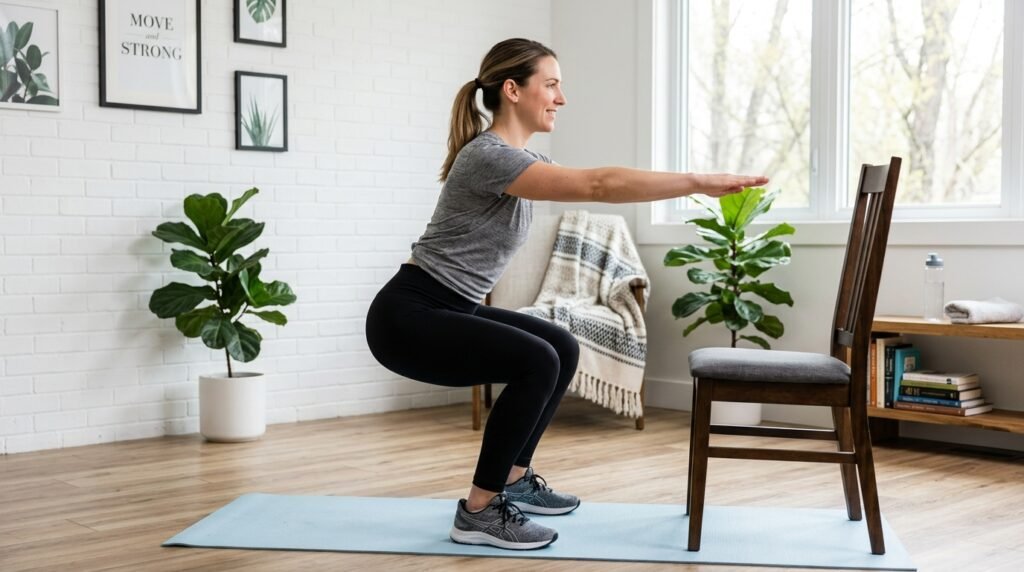
1. Chair/Box Squats (Legs & Glutes): Stand in front of a chair. Push hips back as if sitting, lightly touching the seat before standing up. Keep knees aligned over toes.
❌ Common Mistake: Letting knees collapse inward. Fix by actively pressing knees outward.
2. Dumbbell/Water-Bottle Bent Rows (Upper Back): Hinge at hips 45 degrees, keep spine neutral. Pull weights toward waist, squeezing shoulder blades together.
❌ Common Mistake: Rounding the upper back. Fix by lifting collarbones and engaging core.
3. Wall Push-Ups (Chest & Arms): Stand arm’s length from a wall. Place palms shoulder-width apart. Lower chest to wall under control, then press back.
📋 Table of Contents
(Tap to expand)
Why Resistance Training is Essential for Health
The Metabolic and Structural Benefits
While cardiovascular exercise is excellent for heart health, strength training for beginners is critical for maintaining a healthy metabolic rate. Muscle is active metabolic tissue; building muscle mass increases your daily calorie expenditure even at rest. Additionally, resistance training puts healthy stress on bones, which stimulates osteoblasts to prevent bone loss and osteoporosis. It also improves balance, joint stability, and insulin sensitivity, making it a powerful tool for healthy aging.
Mastering fundamental movement patterns—such as squats, hinges, pushes, and pulls—forms the foundation of strength training. Proper form ensures optimal muscle activation and joint safety.
Core Exercises to Build Full-Body Strength
Progressing from Bodyweight to Light Weights
Beginners should focus on mastering basic movement patterns before adding heavy resistance. Start with bodyweight exercises to build baseline strength and correct form. Key exercises include squats (for thighs and glutes), push-ups or wall push-ups (for chest and arms), glute bridges (for hamstrings and lower back), and planks (for core stability). Once you can perform 12 repetitions with perfect form, introduce light dumbbells or resistance bands to continue progress.
Mastering fundamental movement patterns—such as squats, hinges, pushes, and pulls—forms the foundation of strength training. Proper form ensures optimal muscle activation and joint safety.
| Exercise Category | Ideal For | Difficulty Level | Key Examples |
|---|---|---|---|
| Bodyweight Training | Building baseline form & motor control | Beginner | Squats, push-ups, planks, glute bridges |
| Resistance Bands | Joint-friendly tension & rehabilitation | Beginner to Intermediate | Band rows, lateral walks, bicep curls |
| Free Weights | Progressive strength & bone density | Intermediate | Dumbbell squats, overhead press, chest press |
Essential Safety Guidelines and Rest Intervals
Why Proper Form Beats Lifting Heavy
The most critical rule in strength training is to prioritize form over weight. Jerking weights or using improper alignment is a leading cause of joint strains and injuries. Perform exercises with slow, controlled movements. Rest for 60 to 90 seconds between sets to allow muscles to recover. Schedule at least 48 hours of recovery before working the same muscle groups again to facilitate safe protein repair and muscle growth.
Mastering fundamental movement patterns—such as squats, hinges, pushes, and pulls—forms the foundation of strength training. Proper form ensures optimal muscle activation and joint safety.
Monetization & Recommendations
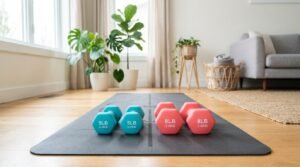
🛍️ Recommended Accessory: Adjustable Dumbbell Set
An adjustable dumbbell set allows you to easily increase resistance as you get stronger, saving space in your home gym.
Affiliate Disclosure: This post contains affiliate links. If you purchase through these links, we may earn a small commission at no extra cost to you. We only recommend products we trust and believe will support your wellness goals.
Frequently Asked Questions
Q1: How often should a beginner do strength training?
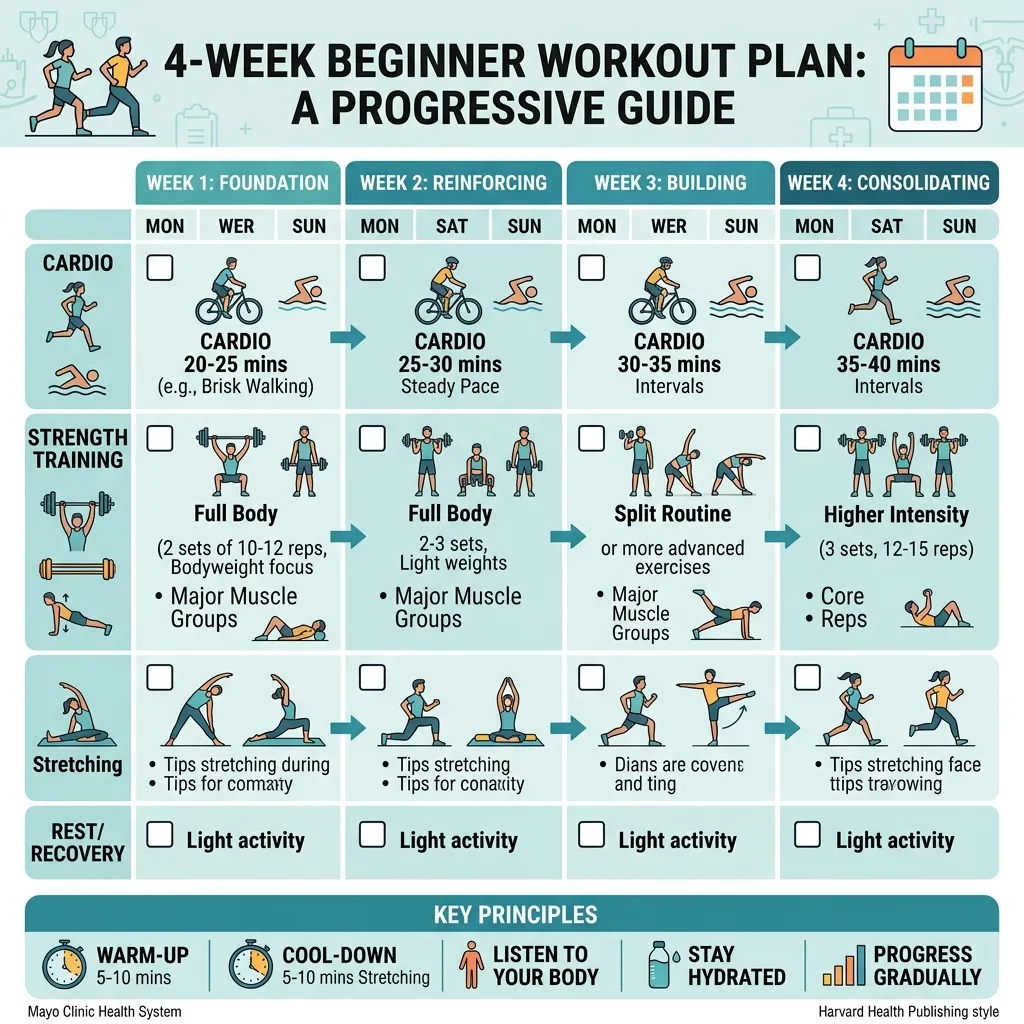
Aim for 2 to 3 days per week, ensuring you work all major muscle groups and allow recovery days.
Q2: Do I need weights for strength training?
No, bodyweight exercises (squats, planks, push-ups) are highly effective for building initial strength and muscle.
Q3: What is the best strength training for beginners?
A full-body routine focusing on basic movements like squats, glute bridges, pushups, and core holds.
Q4: Does strength training help with weight loss?
Yes, by building muscle, you raise your resting metabolic rate, which helps support long-term fat loss.
Q5: How many sets and reps should a beginner perform?
Start with 2 sets of 10 to 12 repetitions for each exercise, focusing on controlled form.
Conclusion
In summary, achieving long-term wellness is a journey built on small, daily choices. Whether you are focusing on nutrition, starting a beginner exercise routine, or working on stress control, consistency is key. We hold all our health content to the site’s rigorous Editorial Standards. Use these science-backed strategies to guide your journey, listen to your body, and consult a qualified healthcare provider for personalized medical advice.

About the Author: Dr. Kayra Reven
Dr. Kayra Reven is the Lead Medical and Wellness Writer at HealthWellness4US. Driven by a philosophy of evidence-based education and compassionate guidance, her writing approach focuses on translating complex clinical research into practical daily habits. She holds all content to the site’s rigorous Editorial Standards.
📚 Essential Recovery & Nutrition Reading:
- Best Muscle Recovery Tools for Desk Tension – Post-workout foam rolling and recovery.
- 10 Principles of Healthy Weight Management – Fuel muscle growth with adequate protein.
- Beginner-Friendly Exercise Routines – Full-body weekly workout schedules.
Structure your complete workout plan with our beginner exercise routines.
🩺 Medical Disclaimer
The wellness information, guides, and suggestions provided in this article are for educational and motivational purposes only. This content is not a substitute for professional medical advice, diagnosis, treatment, or therapy. Always consult with a qualified healthcare professional or physician before starting any new diet, fitness program, or wellness plan.