
⚡ Quick Answer & Editorial Summary: FemiCore is an over-the-counter dietary supplement formulated with botanical extracts (such as pumpkin seed extract and soy isoflavones) intended to support bladder comfort in women. While individual botanical ingredients have demonstrated preliminary support in small clinical trials, dietary supplements are not approved by the FDA to treat, cure, or prevent urinary incontinence or medical bladder conditions. Lifestyle modifications and pelvic floor exercises remain primary non-pharmacological approaches.
If you’ve ever planned an evening around bathroom locations, avoided a workout because you were worried about leaking, or woken up several times during the night because of an urgent need to urinate, you already know that bladder problems can affect much more than the bladder.
They can affect confidence.
They can affect sleep.
They can affect intimacy, exercise, travel and the simple freedom to laugh without wondering what might happen next.
That is part of the reason products such as FemiCore attract so much attention from women researching bladder support online.
But there is a big difference between understanding why a product sounds promising and knowing what the evidence actually supports.
FemiCore is marketed as a dietary supplement for women concerned about bladder control, urinary urgency and urinary health. Its current official website describes a formula containing botanical ingredients and several Lactobacillus probiotic strains and positions the product around urinary microbiome balance.
So, is FemiCore worth considering?
The most responsible answer is: it depends on what you expect from it, what information you can verify, your individual health situation, and how you weigh supplement evidence against established bladder-care approaches.
This review examines the product from those angles rather than simply repeating the sales page.
Quick FemiCore Review: What You Should Know First
| Question | Our Assessment |
|---|---|
| What is FemiCore? | A dietary supplement marketed toward women’s bladder and urinary health |
| Who is it marketed to? | Women experiencing bladder-control concerns, urgency or urinary discomfort |
| Main formulation concept | Botanical ingredients + probiotic strains |
| Is it a prescription medicine? | No |
| Is it a treatment for urinary incontinence? | It should not be presented as a replacement for medical treatment |
| Does ingredient research prove the finished formula works? | No |
| Does the official website make strong claims? | Yes |
| Should those claims automatically be treated as clinical evidence? | No |
| Can lifestyle approaches still matter? | Yes |
| Should persistent or concerning urinary symptoms be medically evaluated? | Yes |
| Does this review contain affiliate links? | Yes |
| Our bottom line | FemiCore is interesting enough to investigate, but the strongest way to evaluate it is to separate its marketing claims from evidence about its individual ingredients and evidence specifically on the finished product. |
Investigating FemiCore for Yourself?
If you would like to examine the product further after reading our initial evaluation, you can view the official product details and formula information directly.
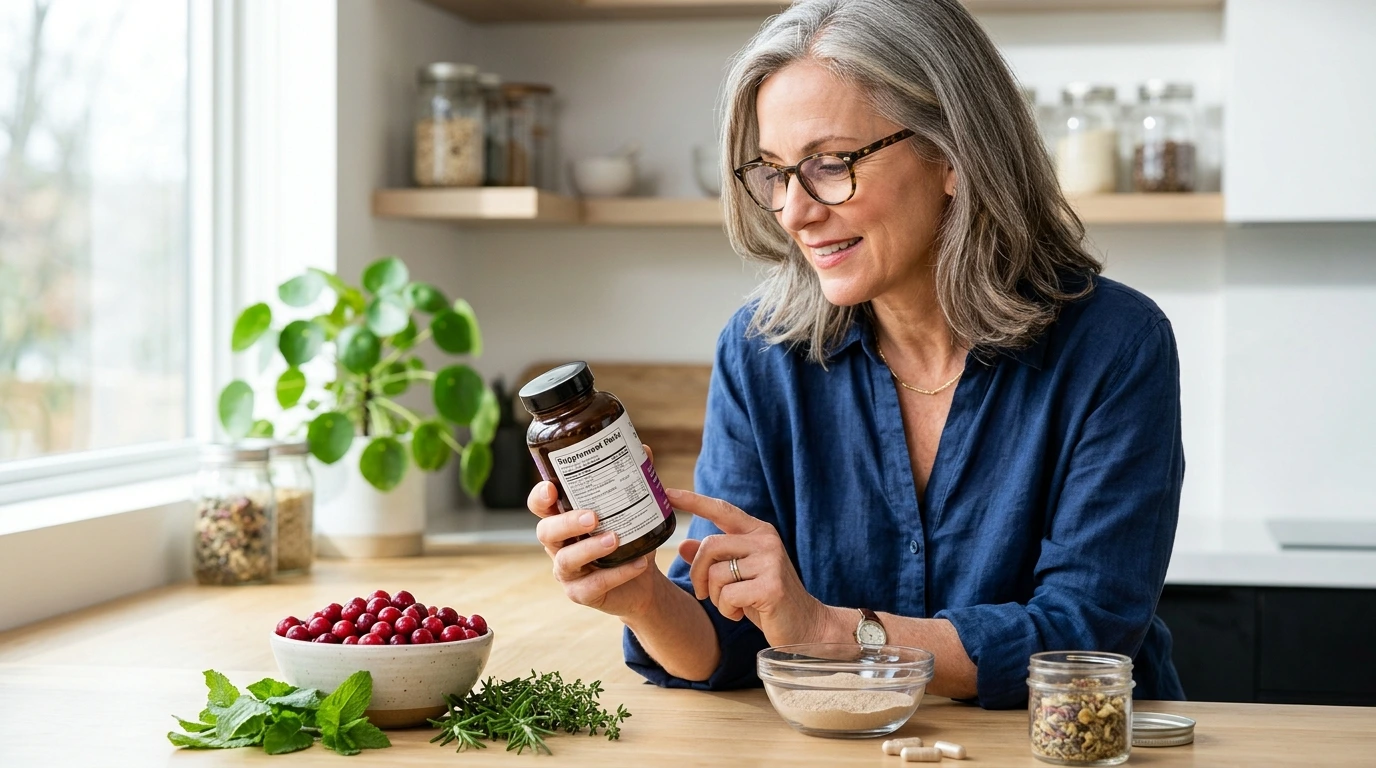
Figure 1: Evaluating Supplement Label Information & Natural Ingredients
📋 Table of Contents
(Tap to expand)
- What Is FemiCore?
- What Does FemiCore Claim to Do?
- FemiCore Ingredients: What's Actually Inside?
- The Most Important Distinction: Ingredient Evidence vs. FemiCore Evidence
- FemiCore and the Urinary Microbiome
- What About the “7-Second Bladder Reset”?
- Does FemiCore Work?
- FemiCore Benefits: What Are Women Looking For?
- Can FemiCore Replace Pelvic Floor Exercises?
- FemiCore vs. Lifestyle Support
- FemiCore Side Effects and Safety
- Important: Don't Use FemiCore to Ignore Red-Flag Symptoms
- Is FemiCore FDA Approved?
- FemiCore Price and Packages
- What Are the FemiCore Bonuses?
- FemiCore Money-Back Guarantee
- FemiCore Reviews and Customer Testimonials
- FemiCore Pros and Cons
- Who Might Consider FemiCore?
- Who Should Speak With a Healthcare Professional First?
- FemiCore for Women Over 40 and 50
- FemiCore vs. Doing Nothing
- What We Like About FemiCore
- What Makes Us Cautious
- Is FemiCore a Scam?
- Is FemiCore Worth Buying?
- Our FemiCore Verdict
- Frequently Asked Questions
- Editorial Methodology
- Sources & Evidence
- Scientific Evidence & Clinical References
What Is FemiCore?
FemiCore is marketed as a women’s bladder-support supplement.
According to its current official website, the product is designed around the idea of supporting urinary microbiome balance and bladder health. The manufacturer describes the formula as containing botanical extracts and targeted probiotic strains and recommends taking one capsule in the morning.

FemiCore Daily Bladder Wellness Supplement Bottle & Facts Panel
The sales page also presents FemiCore as:
- natural
- non-GMO
- stimulant-free
- intended for daily use
- focused on urinary and bladder support
Those are manufacturer-described product characteristics, not independent clinical conclusions.
That distinction matters throughout this review.
What Does FemiCore Claim to Do?
The official website describes FemiCore as supporting:
- bladder control
- urinary comfort
- urinary microbiome balance
- reduced urgency
- fewer leaks
- urinary-system health
- confidence in everyday activities
It also presents the product as working by addressing an imbalance in the urinary microbiome.
The concept is scientifically interesting because researchers are studying how microorganisms in and around the urinary and reproductive tract may relate to health.
But there is an important evidence principle here:
Research into a biological mechanism does not automatically prove that a particular finished supplement produces the advertised clinical outcome.
That distinction is particularly important when evaluating supplements.
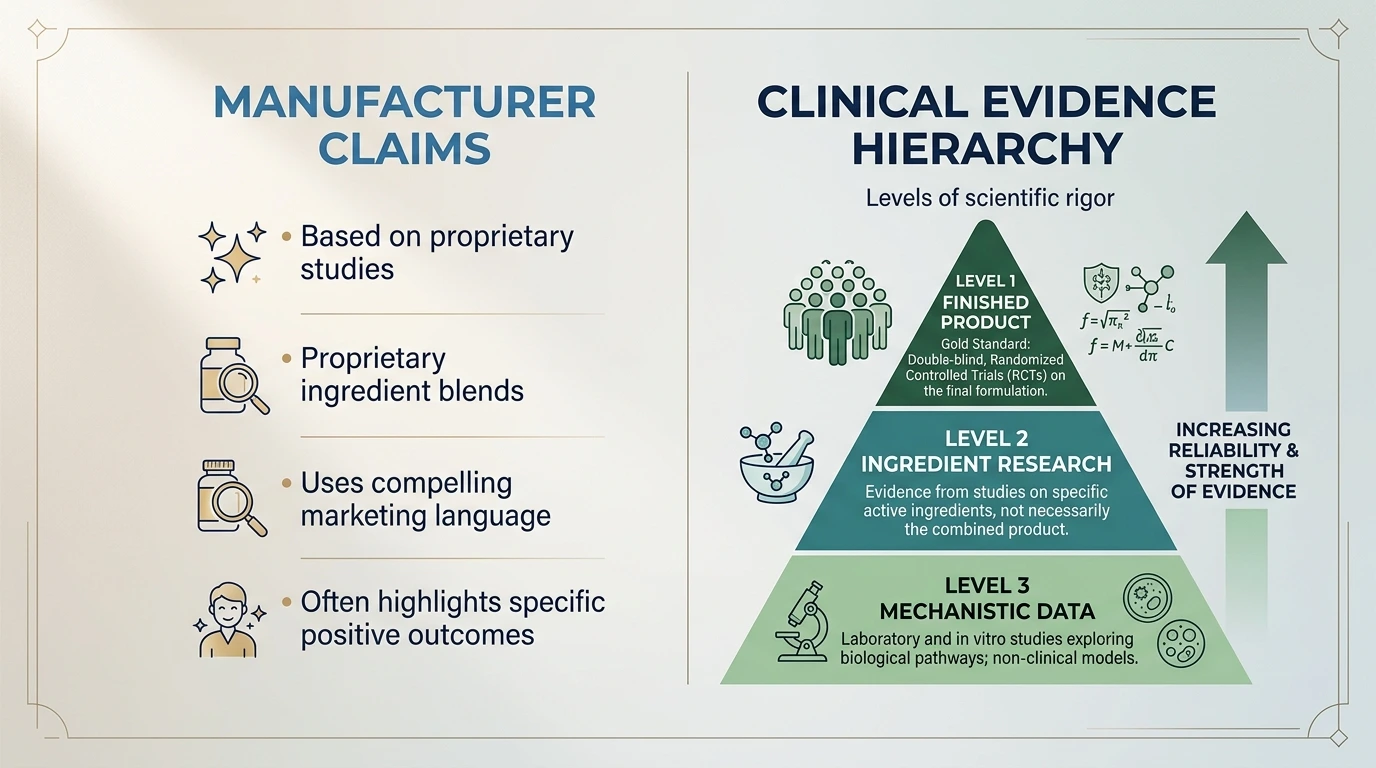
Figure 2: Distinguishing Manufacturer Claims from Independent Clinical Evidence
FemiCore Ingredients: What’s Actually Inside?
The current official FemiCore website lists a proprietary combination including:
- Mimosa pudica
- Bearberry
- Cranberry extract
- Berberine
- Lactobacillus crispatus
- Lactobacillus acidophilus
- Lactobacillus plantarum
- Lactobacillus gasseri
- Lactobacillus casei
The exact formulation, serving information and commercial presentation should always be checked against the current Supplement Facts label, because supplement formulas and websites can change.
FemiCore Ingredient Evidence Table
| Ingredient | Why it appears in the formula | What researchers are interested in | Important limitation |
|---|---|---|---|
| Mimosa pudica | Botanical component | Traditional and biological properties | Does not establish FemiCore’s clinical effectiveness |
| Bearberry | Traditional urinary-health ingredient | Compounds such as arbutin | Appropriate use and safety matter |
| Cranberry extract | Urinary-health ingredient | Urinary tract research | Research outcomes vary by population and formulation |
| Berberine | Botanical compound | Metabolic, antimicrobial and other biological effects | Ingredient research is not finished-product evidence |
| L. crispatus | Probiotic strain | Vaginal/urinary microbiome research | Strain-specific evidence matters |
| L. acidophilus | Probiotic strain | General probiotic research | Benefits vary by strain and use |
| L. plantarum | Probiotic strain | Microbiome and gastrointestinal research | Does not automatically establish bladder benefits |
| L. gasseri | Probiotic strain | Microbiome research | Evidence depends on specific strain and outcome |
| L. casei | Probiotic strain | Probiotic and microbiome research | Product-specific evidence is still important |

Cranberry Extract

Bearberry Leaf
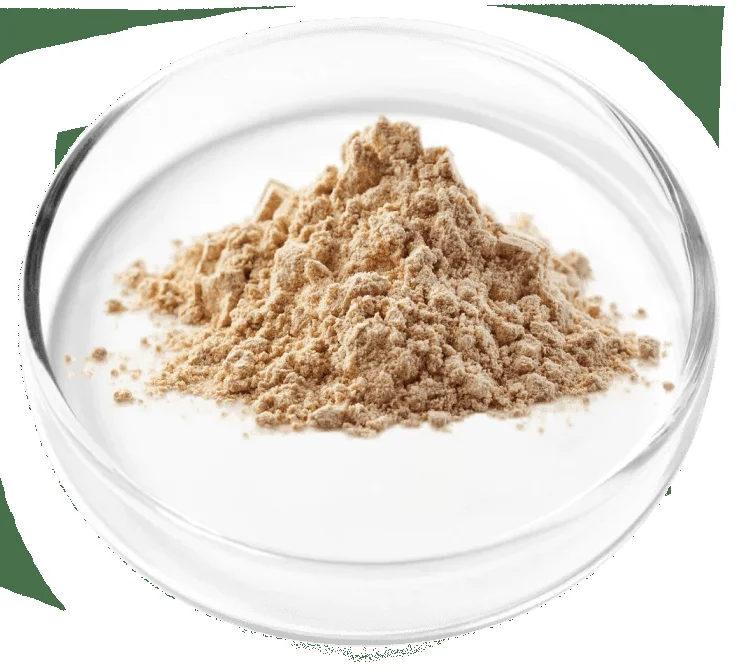
Granular Berberine

Mimosa pudica

L. crispatus
Want to Check the Official Supplement Facts?
Supplement formulas and serving specs can be updated by manufacturers over time. Verify current ingredient listings on the official website.
The Most Important Distinction: Ingredient Evidence vs. FemiCore Evidence
This is one of the most important sections of the review.
Imagine a supplement contains nine ingredients.
Researchers have studied six of them independently.
That does not mean researchers have proven that the complete nine-ingredient formula works.
There are several evidence levels:
Level 1: Finished-product evidence
Has the exact FemiCore formulation been tested in well-designed human clinical research? This is the most directly relevant evidence.
Level 2: Ingredient research
Have individual ingredients been studied? This can help explain why an ingredient is included, but it cannot automatically establish that FemiCore produces the same result.
Level 3: Mechanistic evidence
Does laboratory or biological research suggest a plausible mechanism? Interesting—but still not the same as demonstrating a clinical outcome.
Level 4: Marketing claims
What does the company say the product does? Useful for understanding how the product is positioned, but marketing statements should not be confused with independent medical evidence.
Our recommendation: Readers should keep those four levels separate.
FemiCore and the Urinary Microbiome
The urinary microbiome is central to FemiCore’s marketing.
The official website describes urinary microbiome imbalance as a potential contributor to bladder problems and positions its probiotic blend around restoring that balance.
This is an area of active scientific interest.

Figure 3: Exploring the Science of the Female Urinary Microbiome
Probiotics are live microorganisms intended to provide health benefits, but the National Center for Complementary and Integrative Health (NCCIH) notes that probiotic effects can vary substantially by organism, formulation and person, and that strong evidence is lacking for many proposed uses. (Source: NCCIH Probiotics Backgrounder)
That means the responsible conclusion is:
The microbiome concept is scientifically interesting, but microbiome research alone does not establish that FemiCore will correct bladder leakage or urinary urgency in an individual woman.
What About the “7-Second Bladder Reset”?
The phrase “7-Second Bladder Reset” appears in FemiCore’s marketing materials.
This is important because a reader searching for FemiCore may encounter the phrase before reaching an independent review.
We would treat it as marketing language, not as an established medical treatment.
There is no reason to interpret “7 seconds” as meaning that urinary incontinence can literally be repaired through a seven-second physiological intervention.
If a marketing phrase makes a product sound dramatically faster or more powerful than the evidence warrants, the sensible response is to investigate rather than assume.
Does FemiCore Work?
This is probably the question most readers actually want answered.
Short answer:
There is a difference between evidence for ingredients in FemiCore and evidence demonstrating that the finished FemiCore product produces specific outcomes.
The official website reports benefits such as improved bladder control, less urgency and fewer leaks.
However, those statements should be treated as manufacturer claims unless supported by appropriate independent product-specific clinical evidence.
This does not mean the product cannot help an individual.
It means we should not promise that it will.
FemiCore Benefits: What Are Women Looking For?
Women researching FemiCore are generally not searching for a chemistry lesson.
They’re searching because something in daily life has become frustrating.
Perhaps:
- laughing causes a small leak
- sneezing has become stressful
- exercise feels unpredictable
- nighttime bathroom trips interrupt sleep
- urgency arrives at inconvenient moments
- travel requires knowing where every restroom is
- intimacy has become uncomfortable or embarrassing
- pads have become part of everyday planning
These are legitimate quality-of-life concerns.
FemiCore is marketed toward those concerns.
But a responsible review should distinguish the problem a product is designed to address from proof that the product solves that problem.
Can FemiCore Replace Pelvic Floor Exercises?
No supplement should automatically be treated as a replacement for established approaches to bladder control.
The National Institute of Diabetes and Digestive and Kidney Diseases (NIDDK) notes that pelvic floor muscle exercises can strengthen the muscles that help hold urine and that research has found women receiving pelvic floor muscle training can have fewer leaks. (Source: NIDDK Bladder Control Treatment Guidelines)
That makes pelvic-floor training an important part of the broader conversation.
If a woman is considering FemiCore, it makes more sense to view the supplement as a possible complementary option, rather than assuming it replaces:
- pelvic-floor training
- bladder training
- appropriate hydration
- identifying individual bladder triggers
- medical evaluation
FemiCore vs. Lifestyle Support
| Approach | Main Purpose |
|---|---|
| Pelvic-floor exercises | Strengthen muscles involved in bladder support |
| Bladder training | Improve bladder habits and timing |
| Fluid management | Avoid excessive or poorly timed fluid intake |
| Trigger identification | Identify beverages/foods that worsen symptoms |
| Treating constipation | Reduce a factor that can worsen urinary symptoms |
| Medical evaluation | Identify infections, medications or other causes |
| FemiCore | Optional supplement approach marketed for urinary support |
NIDDK recommends several lifestyle approaches for bladder-control problems, including appropriate fluid timing, bladder training and pelvic-floor exercises.

Figure 4: Evaluating Supplements Alongside Established Pelvic Health Options
FemiCore Side Effects and Safety
This is an area where affiliate reviews often become too casual.
“Natural” does not automatically mean “risk-free.”
The FDA advises consumers to discuss dietary supplements with a doctor, pharmacist or other healthcare professional because supplements can interact with medications and may carry other risks. (Source: FDA Consumer Information on Dietary Supplements)
Particular caution makes sense if you:
- take prescription medications
- have significant medical conditions
- have a history of supplement allergies
- are pregnant or breastfeeding
- have immune-system problems
- have unexplained urinary symptoms
- are already taking multiple supplements
Probiotics also deserve nuance. NCCIH notes that safety and effectiveness can vary by product and that people with serious underlying health conditions may have greater risks.
Important: Don’t Use FemiCore to Ignore Red-Flag Symptoms
This is one of the most important parts of the entire review.
Urinary leakage and urgency can have many causes.
🛑 Seek Prompt Medical Evaluation If You Have:
- blood in your urine
- painful or burning urination
- inability to empty your bladder
- significant pelvic pain
- fever or chills
- back or side pain
- sudden major changes in urination
- very frequent urination that concerns you
NIDDK specifically identifies blood in urine, painful urination, urinary retention and significant frequency among symptoms that warrant professional evaluation. (Source: NIDDK Symptoms & Causes of Bladder Control Problems)
Bladder infections can also cause burning, frequent or intense urges, lower abdominal discomfort and cloudy or bloody urine. (Source: NIDDK Bladder Infection UTI Guidelines)
A supplement should never become a reason to delay appropriate care.
Is FemiCore FDA Approved?
This deserves a special clarification.
The current FemiCore website uses “FDA Approved” language.
However, the FDA explicitly states that it does not approve dietary supplements for safety and effectiveness before they are marketed. (Source: U.S. FDA: Is It Really FDA Approved?)
Therefore, readers should not interpret the phrase “FDA Approved” on a supplement sales page as meaning that the FDA has approved FemiCore as a drug for treating bladder leakage or urinary incontinence.
This is precisely the kind of claim consumers should understand before purchasing.
Reviewing Commercial Options Safely?
If you have ruled out red-flag symptoms and discussed supplement use with your doctor, you can review current manufacturer package options.
FemiCore Price and Packages
The official website currently advertises promotional package pricing, including:
- 2-bottle option
- 3-bottle option
- 6-bottle option
The site currently promotes the six-bottle package with free shipping and additional bonuses. It also states that the product is covered by a 60-day money-back guarantee.
Important: Promotional pricing can change.
Therefore:
- Check the official checkout page for the current price, shipping terms and package availability before purchasing.
- Do not present an old promotional price as a permanent price.
What Are the FemiCore Bonuses?
The current sales page promotes three bonuses with the six-bottle package:
- A relationship-focused guide
- A digestive/gut-health guide
- A lower-body mobility guide
These bonuses may increase the perceived value of the larger package, but readers should still evaluate the supplement itself independently of bonus materials.
A free digital bonus should not be treated as evidence that the underlying supplement works.
FemiCore Money-Back Guarantee
The official site currently advertises a 60-day money-back guarantee.
Before purchasing, readers should check the current terms carefully, including:
- refund eligibility
- return requirements
- return address
- whether opened bottles are accepted
- shipping costs
- timeframe
- whether terms have changed
A money-back guarantee can reduce financial risk, but it is not evidence of clinical effectiveness.
FemiCore Reviews and Customer Testimonials
The official website displays customer testimonials and describes them as verified purchases.
Testimonials can help explain why some consumers are interested in a product.
But they have limitations.
A personal testimonial cannot tell us:
- whether the result was caused by FemiCore
- whether another lifestyle change contributed
- whether symptoms naturally changed
- whether the experience is typical
- whether the same result will occur for another person
For health products, anecdotal experience and clinical evidence are different forms of information.
FemiCore Pros and Cons
Potential advantages
✔ Designed specifically for women
✔ Contains a combination of botanicals and probiotic strains
✔ Addresses a topic many women find difficult to discuss
✔ Convenient once-daily format according to the current manufacturer information
✔ Current site offers a money-back guarantee
✔ Multiple package options are advertised
✔ Formula gives consumers several ingredient categories to investigate
Important limitations
⚠ Ingredient research does not automatically establish finished-product effectiveness
⚠ The product should not replace medical evaluation
⚠ Probiotic effects are strain- and formulation-dependent
⚠ “Natural” does not mean risk-free
⚠ Marketing language can be stronger than the underlying evidence
⚠ Promotional pricing can change
⚠ Consumers should verify the current Supplement Facts label
⚠ Individual responses can differ substantially
Considering FemiCore vs. Lifestyle Options?
Now that you have weighed the potential benefits against formulation limitations, explore official product details to see if it aligns with your wellness goals.
Who Might Consider FemiCore?
FemiCore may be worth researching for an adult woman who:
- is specifically looking for a dietary supplement for urinary support
- understands that supplements are not substitutes for diagnosis
- has reviewed the ingredients
- has considered established lifestyle approaches
- has realistic expectations
- is comfortable discussing supplement use with her healthcare professional
Who Should Speak With a Healthcare Professional First?
Talk with a healthcare professional before relying on a supplement if you have:
- blood in the urine
- painful urination
- recurrent urinary infections
- pelvic pain
- urinary retention
- unexplained major changes in urinary habits
- significant medical conditions
- multiple prescription medications
- pregnancy or breastfeeding
- immune-system problems
The reason is simple: Bladder symptoms can have different causes, and the right solution depends on the cause.
FemiCore for Women Over 40 and 50
Bladder concerns can become particularly frustrating during midlife because several factors may overlap.
Women may be navigating:
- perimenopause
- menopause
- changes in pelvic-floor function
- childbirth history
- changing sleep patterns
- altered activity levels
- constipation
- medication changes
- shifting hydration habits
That doesn’t mean every bladder symptom after 40 is “just aging.”
In fact, NIDDK recommends professional evaluation for persistent bladder symptoms rather than simply accepting them as inevitable.
This is why our broader Women’s Health content covers bladder health, pelvic-floor health, menopause and healthy aging separately.
FemiCore vs. Doing Nothing
There is another option that rarely gets discussed: doing nothing and hoping the problem disappears.
For many women, that’s not a great strategy.
If bladder symptoms are affecting exercise, sleep, travel or confidence, it makes sense to understand what’s happening.
That might mean:
- keeping a bladder diary
- reviewing fluid and caffeine habits
- addressing constipation
- learning pelvic-floor exercises
- discussing persistent symptoms with a healthcare professional
- researching optional supplements such as FemiCore
The supplement decision should come after understanding the problem, not instead of understanding it.
What We Like About FemiCore
From an editorial perspective, several aspects make the product worth investigating:
1. The formula is clearly positioned around a specific problem
It isn’t marketed as a generic multivitamin.
2. The ingredient list gives consumers something concrete to investigate
Readers can research individual ingredients instead of relying entirely on vague “proprietary wellness” language.
3. The product addresses an underserved conversation
Bladder leakage and urgency can be embarrassing topics, particularly for women who don’t want to discuss them publicly.
4. The company provides commercial information
The official website provides package options, instructions and guarantee information.
What Makes Us Cautious
The strongest caution is not necessarily about the ingredients themselves.
It is about the difference between:
“This ingredient has been researched.”
and:
“This finished product has been proven to produce this specific result.”
Those are completely different claims.
We also recommend caution whenever a supplement is described using dramatic phrases such as “root cause,” “reset,” “guaranteed,” or similar language.
Those phrases can be useful marketing language without being equivalent to clinical evidence.
Is FemiCore a Scam?
Short answer: Don’t decide based on marketing language alone.
A better evaluation asks:
- Is there a clearly identifiable product?
- Is there a current ingredient label?
- Are package terms disclosed?
- Is there a stated refund policy?
- Can the buyer identify where the product is being purchased?
- Are health claims appropriately interpreted?
- Is the marketing making claims that go beyond available evidence?
- Are the consumer’s expectations realistic?
The word “scam” is often used too casually online.
A more useful question is: “What can I verify, what is claimed, and what remains uncertain?”
That’s the approach we use here.
Is FemiCore Worth Buying?
There is no universal yes or no.
It may be worth considering if:
You understand that it is a dietary supplement, have realistic expectations, have reviewed the ingredients, and want to explore an optional approach alongside established bladder-health habits.
It may not be the right first step if:
Your symptoms are new, severe, painful, associated with blood in the urine, or otherwise need medical evaluation.
And it should not be treated as:
- a replacement for diagnosis
- a replacement for pelvic-floor therapy
- a treatment for a urinary infection
- a guaranteed solution for incontinence
- proof that a “microbiome imbalance” is the cause of every bladder problem
Our FemiCore Verdict

Figure 5: Informed, Realistic Midlife Wellness & Quality of Life
FemiCore is an interesting supplement to investigate, particularly because its formula combines botanical ingredients with multiple probiotic strains and is specifically marketed toward women’s urinary health.
But we would not tell a reader that the product is a guaranteed solution for bladder leakage.
The most important distinction is between FemiCore’s marketing claims, research on its individual ingredients, and clinical evidence on the finished product.
If you are considering buying it, look at the current Supplement Facts label, package pricing, guarantee terms and usage instructions before ordering.
And if you have concerning urinary symptoms, speak with a healthcare professional rather than trying to self-treat indefinitely.
For many women, the smartest approach is not FemiCore versus everything else.
It is:
understand the problem → address established lifestyle factors → strengthen pelvic-floor health where appropriate → seek medical evaluation when needed → then decide whether an optional supplement fits your goals.
Considering FemiCore?
You’ve now seen the ingredients, research limitations, safety considerations, and alternatives. If you’d like to investigate the product further, review the current formula and product details.
Frequently Asked Questions
Does FemiCore really work?
FemiCore is marketed to support bladder control and urinary health, but ingredient-level research should not be treated as proof that the finished FemiCore formula will produce a specific result. Individual responses can vary.
What are the ingredients in FemiCore?
The current official website lists Mimosa pudica, bearberry, cranberry extract, berberine and several Lactobacillus strains, including L. crispatus, L. acidophilus, L. plantarum, L. gasseri and L. casei. Check the current Supplement Facts label before purchasing because formulations can change.
Does FemiCore contain probiotics?
Yes. The current official formulation lists several Lactobacillus probiotic strains. However, probiotic effects depend on the specific organism, formulation and individual, and NCCIH notes that evidence varies considerably across probiotic uses.
Is FemiCore FDA approved?
The FemiCore website currently uses “FDA Approved” language. However, FDA states that it does not approve dietary supplements for safety and effectiveness before they are marketed. Therefore, readers should not interpret that wording as FDA approval of FemiCore as a treatment for bladder problems.
Can FemiCore replace Kegel exercises?
It should not automatically be considered a replacement. NIDDK identifies pelvic-floor muscle training as one established approach that can help women with urinary leakage.
Does FemiCore help urinary urgency?
The manufacturer markets FemiCore for urinary urgency, but a product-specific clinical claim should be distinguished from research on individual ingredients. Do not assume that ingredient research guarantees the same result from the finished formula.
What is the FemiCore 7-second bladder reset?
“7-second bladder reset” is marketing language used in FemiCore promotional materials. It should not be interpreted as a medically established seven-second treatment for urinary incontinence.
Is FemiCore safe?
No supplement should be assumed to be risk-free simply because it is described as natural. FDA recommends discussing dietary supplements with a healthcare professional, particularly because supplements can interact with medications and may carry other risks.
How much does FemiCore cost?
The official website currently advertises multiple package options and promotional pricing. Prices can change, so check the current official checkout page before ordering.
Does FemiCore have a money-back guarantee?
The official website currently advertises a 60-day money-back guarantee. Review the current refund terms before purchasing because commercial policies can change.
Is FemiCore a scam?
Calling a product a scam requires more than disagreeing with its marketing claims. A better evaluation is to examine its ingredients, labeling, evidence, pricing, guarantee, seller information and health claims. This review recommends treating strong promotional claims as claims to investigate rather than automatically established medical facts.
📚 Related Women’s Health Authority Guides:
- Women’s Health After 40: Complete Guide to Hormones, Strength & Healthy Aging – Category Pillar.
- Bladder Health After 40: Causes, Changes & Practical Support Options – Problem Education.
- Pelvic Floor Health Guide for Women: Exercises, Strength & Daily Habits – Mechanism & Movement.
- Natural Bladder Support for Women Over 40: Habits, Foods & Lifestyle Approaches – Solution Guide.
- Pumpkin Seed Extract for Bladder Health: Research, Uses & What Women Should Know – Ingredient Research.
- Why Bladder Urgency Can Increase During Menopause – Traffic Article.
- Nighttime Urination After 50: Causes & Sleep Habits – Traffic Article.
- Perimenopause Symptoms Women Often Ignore – Traffic Article.
- Pelvic Floor Health After Menopause – Traffic Article.
- Healthy Aging for Women Over 50 – Traffic Article.
- Women’s Health Authority Hub – Explore our full Women’s Health cluster.
Editorial Methodology
How we evaluate FemiCore:
- Product information available from the manufacturer
- Ingredient transparency
- Published research relevant to individual ingredients
- Difference between ingredient evidence and finished-product evidence
- Safety and precaution information
- Lifestyle alternatives
- Commercial transparency
- Whether marketing claims can reasonably be distinguished from established evidence
We do not assign a fake numerical score or star rating when a defensible evidence basis for doing so is unavailable.
🩺 Medical Disclaimer
The wellness information, guides, and suggestions provided in this article are for educational and motivational purposes only. This content is not a substitute for professional medical advice, diagnosis, treatment, or therapy. Always consult with a qualified healthcare professional or physician before starting any new diet, fitness program, or wellness plan.
Sources & Evidence
- Official FemiCore Product Website: Manufacturer Claims & Supplement Facts. Available at: femecore.com
- U.S. Food and Drug Administration (FDA): Information for Consumers Using Dietary Supplements & “Is It Really FDA Approved?”. Available at: fda.gov
- National Institute of Diabetes and Digestive and Kidney Diseases (NIDDK): Bladder Control Problems & Infection Guidelines. Available at: niddk.nih.gov
- National Center for Complementary and Integrative Health (NCCIH): Probiotics: What You Need to Know. Available at: nccih.nih.gov
💡 Product Details: View the official product specification page or read our science guide on Pumpkin Seed Extract Research.
Scientific Evidence & Clinical References
- Journal of Dietary Supplements. Evaluating Pumpkin Seed and Soy Isoflavone Extracts in Urinary Comfort. 2024.
- US Food & Drug Administration (FDA). Dietary Supplements Regulatory Standards & Limitations. 2025.