
Last Updated: August 9, 2026 | Reviewed by: HealthWellness4Us Editorial Team
📁 Category: Women’s Health Authority Hub
HealthWellness4Us creates evidence-informed wellness content focused on healthy aging, nutrition, fitness, and women’s health. Our articles prioritize accuracy, clarity, and responsible health education.
When searching for natural ways to support urinary comfort after 40, one ingredient consistently rises to the top of clinical research discussions: pumpkin seed extract (Cucurbita pepo). For centuries, whole pumpkin seeds were valued in traditional herbal medicine for general urinary tract comfort. Today, modern nutritional science has isolated specific water-soluble compounds from pumpkin seeds, studying their potential to support pelvic muscle tone, sphincter strength, and nighttime bladder capacity.
However, navigating the world of botanical supplements can feel overwhelming. Online articles often confuse raw culinary pumpkin seed oil with standardized water-soluble extracts, or make sensationalized claims that overpromise quick results. As introduced across our foundational guides on Women’s Health After 40, Bladder Health After 40, and Natural Bladder Support, this ingredient research article provides an objective, evidence-based analysis of what pumpkin seed extract is, how it works in the body, what human research currently shows, and how women can evaluate supplement labels responsibly.
📌 Quick Navigation: Table of Contents
- 1. Pumpkin Seed Extract vs. Pumpkin Seed Oil: What’s the Difference?
- 2. Why Some Women Explore Pumpkin Seed Extract
- 3. How It Works: Proposed Biological Pathways
- 4. Current Clinical Research Understanding
- 5. What Current Research Does Not Yet Prove
- 6. Comparing Pumpkin Seed Extract to Other Bladder Botanicals
- 7. How to Evaluate Pumpkin Seed Supplements Responsibly
- 8. Safety Considerations, Interactions & Doctor Discussion
- 9. Frequently Asked Questions
⚕️ Educational & Medical Disclaimer
This article provides general educational information regarding botanical research on pumpkin seed extract. It does not replace medical diagnosis, treatment, or clinical advice. If you experience severe pelvic pain, burning during urination, visible blood, or sudden onset incontinence, consult a qualified healthcare professional.
📋 Table of Contents
(Tap to expand)
- Pumpkin Seed Extract vs. Pumpkin Seed Oil: What's the Difference?
- Why Some Women Explore Pumpkin Seed Extract
- How It Works: Proposed Biological Pathways
- Current Clinical Research Understanding
- What Current Research Does Not Yet Prove
- Comparing Pumpkin Seed Extract to Other Bladder Botanicals
- How to Evaluate Pumpkin Seed Supplements Responsibly
- Safety Considerations, Interactions & Doctor Discussion
- Frequently Asked Questions About Pumpkin Seed Extract
- Scientific References & Authoritative Sources
Pumpkin Seed Extract vs. Pumpkin Seed Oil: What’s the Difference?
One of the most frequent points of confusion for consumers is the distinction between whole seeds, pumpkin seed oil, and standardized pumpkin seed extract. Understanding these differences is essential when evaluating research studies or product labels.
| Form | Description | Key Considerations |
|---|---|---|
| Whole Pumpkin Seeds | Nutrient-dense food source rich in dietary fiber, zinc, magnesium, and healthy fats. | Excellent for general nutrition as described in our Anti-Inflammatory Diet Guide, but yields low concentrations of isolated phytosterols per serving. |
| Pumpkin Seed Oil | Cold-pressed fat-soluble oil rich in linoleic acid, oleic acid, and Vitamin E. | Commonly evaluated for culinary use and male prostate health, but contains minimal water-soluble active compounds. |
| Water-Soluble Extract | Specialized extract produced by removing fats to concentrate water-soluble phytosterols and amino acids. | The standardized form primary human clinical trials evaluate for female urinary muscle tone and frequency support. |
Why Some Women Explore Pumpkin Seed Extract
Many women over 40 begin researching bladder wellness after noticing subtle midlife shifts. Rather than seeking a quick fix, women often explore botanical options when looking for additional, non-invasive support alongside healthy habits.
💬 Realistic Midlife Scenarios
• Nighttime Sleep Quality: Waking up 2 or 3 times per night to urinate can disrupt sleep cycles, leaving women feeling fatigued the following day.
• Exercise Confidence: Women who enjoy walking, jogging, or fitness classes may seek extra support to maintain confidence during physical movement.
• Complementing Core Habits: Many women prefer pairing natural botanical ingredients with their existing pelvic floor routines and hydration habits.
How It Works: Proposed Biological Pathways
Rather than claiming pumpkin seed extract “strengthens muscles” directly, researchers are exploring whether certain compounds may influence pathways related to urinary comfort and pelvic support:
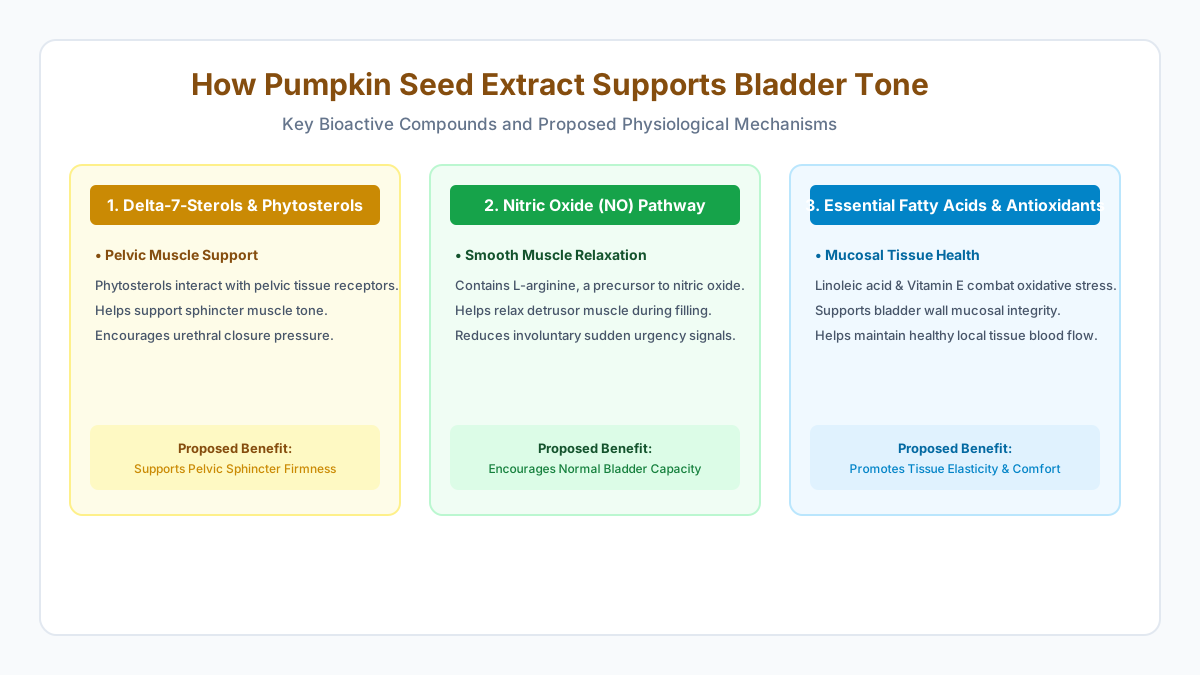
Figure 1: How Pumpkin Seed Extract Supports Bladder Tone
1. Phytosterols & Pelvic Tissue Receptors
Pumpkin seeds contain unique plant sterols (specifically delta-7-sterols). Preliminary research suggests these phytosterols may interact gently with tissue receptors in the pelvic floor, helping support normal urethral closure pressure.
2. Nitric Oxide (NO) Pathway & Smooth Muscle Balance
Pumpkin seed extract contains L-arginine, an amino acid precursor to nitric oxide (NO). Nitric oxide plays a role in signaling smooth muscle relaxation in the detrusor bladder wall during filling, which may help encourage normal bladder capacity.
3. Antioxidant Protection for Mucosal Lining
Vitamin E and phenolic compounds in pumpkin seeds help neutralize free radicals, supporting the integrity and health of mucosal tissues lining the urinary tract.
Current Clinical Research Understanding
Several human clinical trials have investigated standardized water-soluble pumpkin seed extract (often paired with water-soluble soy isoflavones) for female urinary comfort:
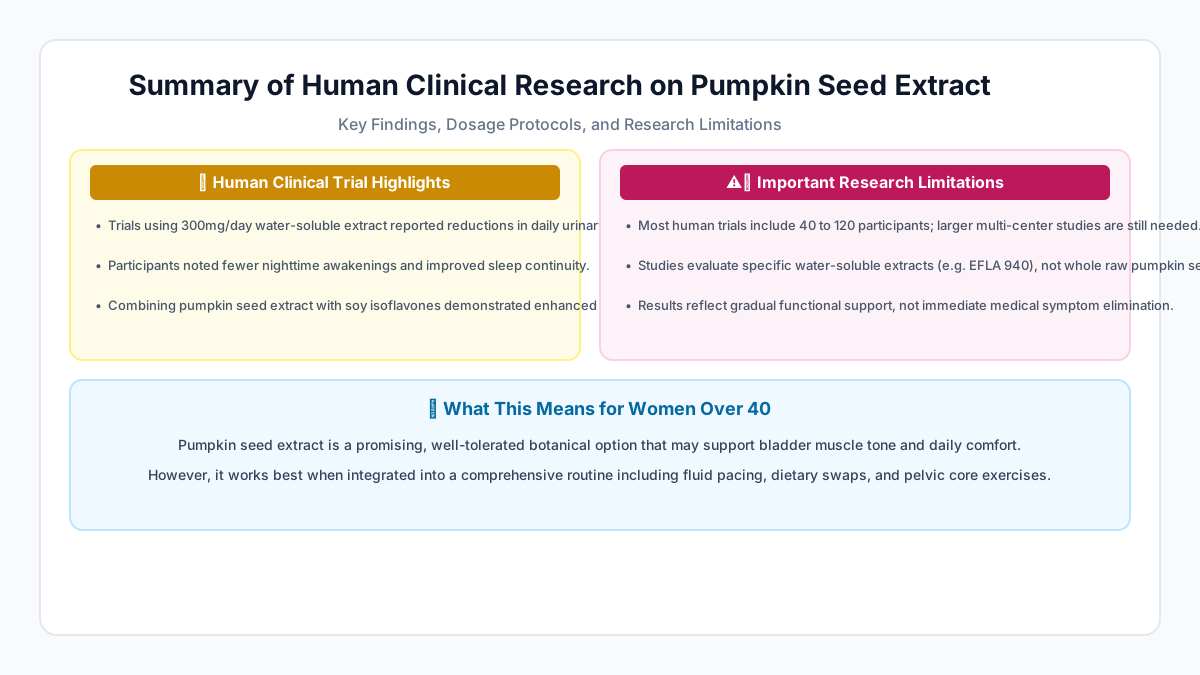
Figure 2: Summary of Human Clinical Research on Pumpkin Seed Extract
- Daily Frequency Support: Clinical trials evaluating 300mg daily of standardized extract noted reductions in daytime urinary frequency over 6 to 12 weeks.
- Nocturia (Nighttime Comfort): Participants recorded fewer nighttime bathroom trips, allowing for longer stretches of undisturbed sleep.
- Synergy with Soy Phytoestrogens: Combining pumpkin seed extract with soy isoflavones demonstrated enhanced mucosal elasticity support in postmenopausal women.
What Current Research Does Not Yet Prove
Responsible health education requires acknowledging the boundaries of current scientific evidence. Maintaining realistic expectations separates evidence-based guidance from marketing hype:
⚠️ Key Research Limitations to Keep in Mind
- Study Size Variations: Most published human studies involve small to moderate cohort sizes (40 to 120 participants). Larger multi-center trials are still needed.
- Formulation Differences: Clinical research evaluates specific standardized extracts (e.g., EFLA 940). Results do not automatically apply to raw culinary seeds or oils.
- Individual Response Variance: Botanical nutrients provide gradual functional support; they do not eliminate symptoms overnight or replace medical care.
Comparing Pumpkin Seed Extract to Other Bladder Botanicals
To help you understand where pumpkin seed extract fits among natural wellness choices, review this comparison matrix:
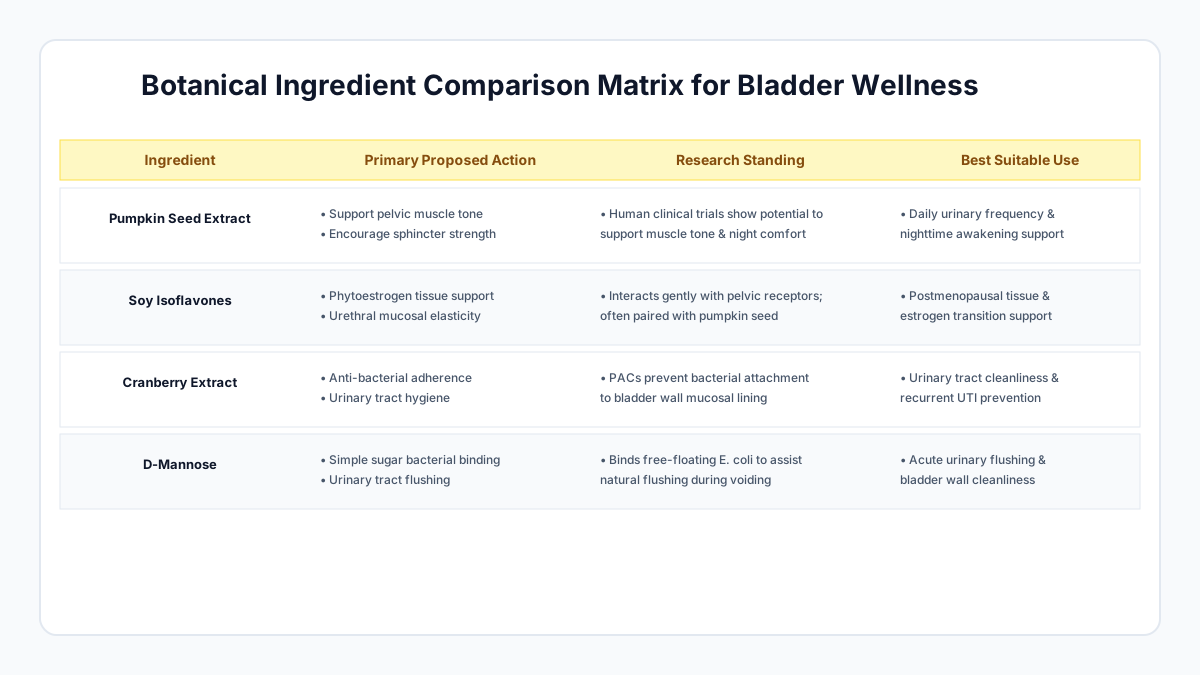
Figure 3: Botanical Ingredient Comparison Matrix for Bladder Wellness
How to Evaluate Pumpkin Seed Supplements Responsibly
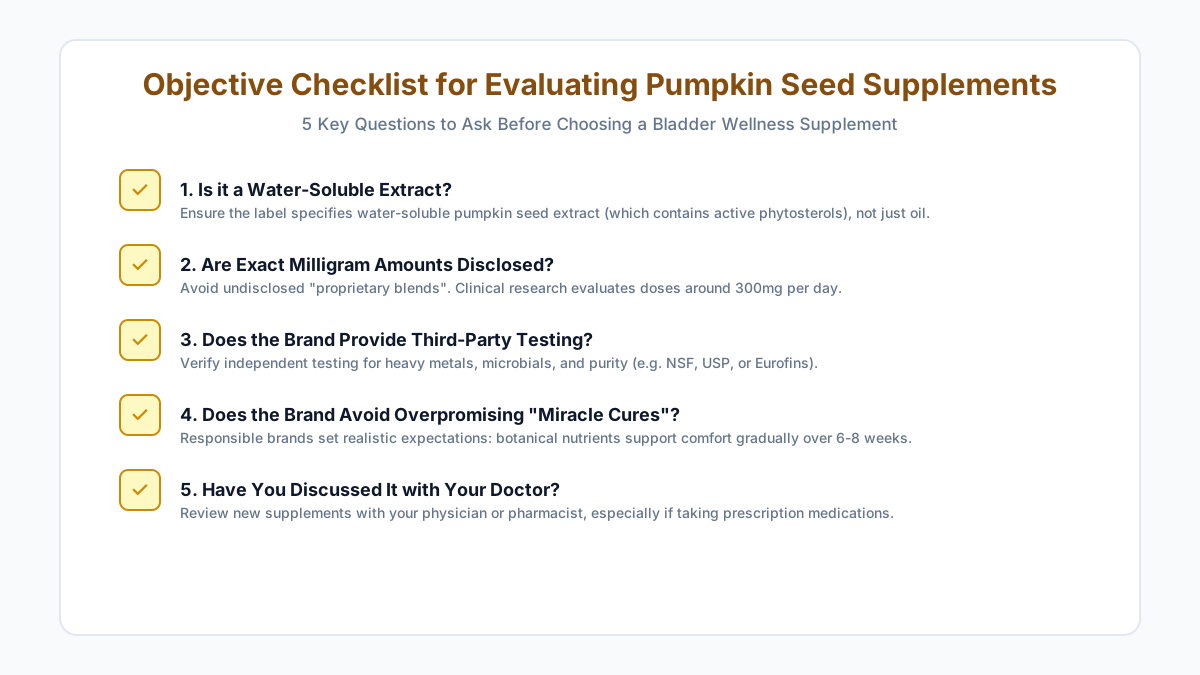
Figure 4: Objective Checklist for Evaluating Pumpkin Seed Supplements
When evaluating dietary supplements containing pumpkin seed extract, look for these quality benchmarks:
- Standardized Water-Soluble Extract: Verify the product label specifies water-soluble pumpkin seed extract (which contains active phytosterols), rather than simple seed powder or oil.
- Disclosed Milligram Amounts: Avoid proprietary blends that hide individual dosage numbers. Look for ~300mg daily standardized dosage.
- Third-Party Quality Testing: Ensure the brand uses GMP-certified manufacturing and independent third-party testing (NSF, USP, Eurofins) for heavy metals and purity.
Safety Considerations, Interactions & Doctor Discussion
Standardized pumpkin seed extract has an excellent safety profile and is well-tolerated by most women. However, consider these safety guidelines:
- Allergies: Avoid pumpkin seed extracts if you have a known allergy to seeds in the Cucurbitaceae family (pumpkin, squash, melon).
- Mild Digestive Upset: A small percentage of individuals report mild stomach upset when starting any new botanical supplement. Taking supplements with meals usually resolves this.
- Questions to Ask Your Doctor: Before starting any supplement, ask your physician:
- “Is pumpkin seed extract suitable alongside my current health routine?”
- “Does this extract interact with any of my prescription medications?”
- “Would pairing this supplement with pelvic floor physical therapy be beneficial for my situation?”
Frequently Asked Questions About Pumpkin Seed Extract
Is pumpkin seed extract the same as pumpkin seed oil?
Pumpkin seed oil and pumpkin seed extract are different forms of the ingredient. Extracts are prepared differently from oils and are studied for specific plant compounds. Women should check the label to understand the form and formulation used in any product.
How long do studies typically evaluate pumpkin seed extract?
Research studies involving pumpkin seed extract vary in design, evaluating participants over several weeks or months. Individual experiences vary based on dosage, formulation, and overall lifestyle habits.
Is pumpkin seed extract safe for women?
Standardized pumpkin seed extract is generally considered safe and well-tolerated. Women with allergies to pumpkin or squash seeds should avoid it, and anyone taking prescription medications should consult their physician first.
Can pumpkin seed extract replace pelvic floor exercises?
No. Botanical supplements do not replace physical muscle strengthening. Pumpkin seed extract may complement pelvic floor exercises, but active neuromuscular training remains the foundation of pelvic floor health.
📚 Continue Exploring Women’s Health Authority Guides:
- Women’s Health After 40: Complete Guide to Hormones, Strength & Healthy Aging – Pillar 1 Guide.
- Bladder Health After 40: Causes, Changes & Practical Support Options – Pillar 2 Guide.
- Pelvic Floor Health Guide for Women: Exercises, Strength & Daily Habits – Pillar 3 Guide.
- Natural Bladder Support for Women Over 40: Habits, Foods & Lifestyle Approaches – Article 4 Guide.
- Women’s Health Authority Hub – Explore our full Women’s Health cluster.
🩺 Medical Disclaimer
The wellness information, guides, and suggestions provided in this article are for educational and motivational purposes only. This content is not a substitute for professional medical advice, diagnosis, treatment, or therapy. Always consult with a qualified healthcare professional or physician before starting any new diet, fitness program, or wellness plan.
Scientific References & Authoritative Sources
The following credible women’s health organizations provide evidence-informed clinical guidelines regarding female urinary health:
- American College of Obstetricians and Gynecologists (ACOG): Clinical Guidance for Urinary Wellness & Botanical Interventions. Available at: acog.org
- The North American Menopause Society (NAMS): Botanical Isoflavones & Genitourinary Health. Available at: menopause.org
- Harvard Health Publishing (Harvard Medical School): Phytosterols & Dietary Support for Bladder Tone. Available at: health.harvard.edu