
Last Updated: August 9, 2026 | Reviewed by: HealthWellness4Us Editorial Team
📁 Category: Women’s Health Authority Hub
HealthWellness4Us creates evidence-informed wellness content focused on healthy aging, nutrition, fitness, and women’s health. Our articles prioritize accuracy, clarity, and responsible health education.
When women begin exploring ways to maintain bladder comfort after 40, they are often met with extreme messaging. On one hand, some sources suggest that prescription medication or pads are the only options. On the other hand, aggressive supplement ads promise instant “miracle fixes” overnight. Reality lies somewhere far more balanced and empowering: natural bladder support is an evidence-informed, holistic combination of fluid pacing, dietary swaps, pelvic floor awareness, and targeted botanical ingredients.
Many women in their 50s describe noticing small, unexpected shifts—such as needing bathroom breaks more often during long walks, waking up multiple times at night, or planning road trips around restroom locations. If you have ever felt hesitant to discuss these changes out of embarrassment, please take comfort in knowing you are far from alone. Building on our foundational guides on Women’s Health After 40, Bladder Health After 40, and the Pelvic Floor Health Guide, this guide transitions into practical solution awareness—helping you evaluate natural approaches, dietary choices, and botanical supplement research with clarity and confidence.
📌 Quick Navigation: Table of Contents
- 1. What Natural Bladder Support Really Means
- 2. Understanding Natural Support vs. Medical Treatment
- 3. A Note About Individual Differences
- 4. Daily Habits That Support Bladder Wellness
- 5. Foods, Beverages & Bladder-Soothing Nutrition
- 6. The Pelvic Floor & Core Muscle Connection
- 7. Botanical Ingredients Being Researched (Research Comparison Matrix)
- 8. 7-Day Natural Bladder Wellness Routine
- 9. How to Evaluate Bladder Support Supplements Responsibly
- 10. Frequently Asked Questions
⚕️ Educational & Medical Disclaimer
This guide provides general educational information regarding lifestyle approaches, dietary choices, and botanical ingredients studied for bladder support. It does not replace medical evaluation, diagnosis, or treatment. If you experience severe pain, burning during urination, visible blood, or sudden incontinence, consult a qualified healthcare professional.
📋 Table of Contents
(Tap to expand)
- What Natural Bladder Support Really Means
- Understanding Natural Support vs. Medical Treatment
- A Note About Individual Differences
- Daily Habits That Support Bladder Wellness
- Foods, Beverages & Bladder-Soothing Nutrition
- The Pelvic Floor & Core Muscle Connection
- Botanical Ingredients Being Researched (Pumpkin Seed, Soy, Cranberry, D-Mannose)
- 7-Day Natural Bladder Wellness Routine
- How to Evaluate Bladder Support Supplements Responsibly
- Frequently Asked Questions About Natural Bladder Support
- Scientific References & Authoritative Sources
What Natural Bladder Support Really Means
Natural bladder support refers to non-pharmaceutical, evidence-based strategies designed to encourage normal urinary tract function, promote pelvic muscle tone, and calm reactive bladder sensations. It is not about “curing” aging or suppressing your body’s natural signals; rather, it focuses on providing your urinary tract with the nutrients, muscle support, and hydration pacing it needs to thrive.
When evaluated responsibly, natural bladder wellness encompasses four synergistic pillars:
- Hydration Calibration: Sipping water at steady intervals to prevent bladder-irritating concentrated urine.
- Dietary Modification: Identifying and reducing foods that trigger involuntary bladder sensitivity.
- Neuromuscular Re-Education: Strengthening the pelvic floor muscles and deep core to support urethral closure pressure.
- Botanical Nutrition: Utilizing evidence-informed plant extracts (such as pumpkin seed extract) that may support muscle tone and mucosal health.
Understanding Natural Support vs. Medical Treatment
It is vital to distinguish between non-medical lifestyle support and clinical medical treatment:
⚖️ Lifestyle Support vs. Medical Care
Natural Lifestyle Support Focuses On: Paced fluid hydration, bladder-soothing dietary choices, gentle core exercises, and evidence-informed botanical supplements that support muscle tone and daily comfort.
Medical Treatment Focuses On: Clinical diagnosis and management of underlying pathological conditions—such as active urinary tract infections (UTIs), severe prolapse, neurological bladder dysfunction, or kidney disorders—requiring prescription therapy or surgical intervention.
A Note About Individual Differences
No two women navigate midlife in precisely the same way. Bladder wellness is uniquely personal, influenced by a combination of genetics, hormone fluctuations, past pregnancies, posture habits, and personal dietary sensitivities.
💡 Emphasizing Personalized Wellness
What soothes one woman’s bladder (like a morning cup of green tea) might act as a trigger for another. Finding your optimal routine involves paying attention to your body’s personal symptom patterns, testing gentle dietary adjustments, and building a routine that fits your unique lifestyle.
Daily Habits That Support Bladder Wellness
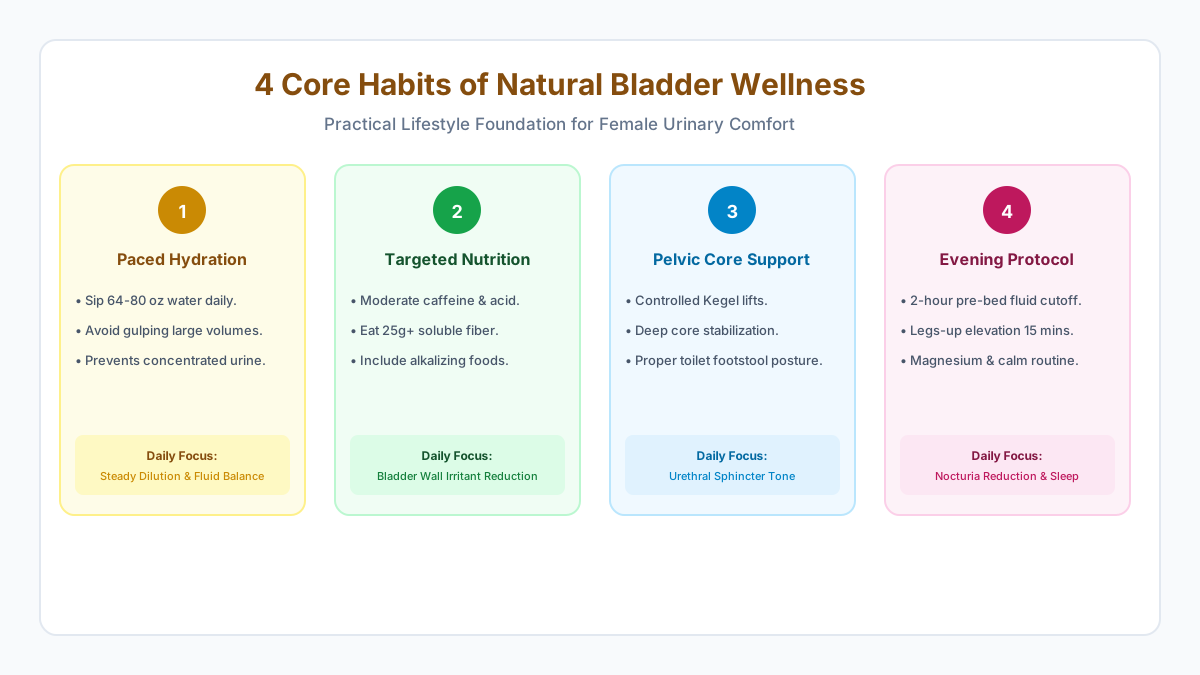
Figure 1: 4 Core Habits of Natural Bladder Wellness
1. Paced Fluid Consumption
Many women struggling with urgency attempt to drink as little water as possible. Unfortunately, dehydration concentrates urine, turning it acidic and highly irritating to the sensitive lining of the bladder. Instead of restricting fluids, practice paced hydration: sip 64 to 80 ounces of room-temperature plain water evenly throughout your waking hours.
2. Timed Voiding & Bladder Retraining
If you find yourself running to the restroom “just in case” every 45 minutes, your bladder can become conditioned to send urge signals at lower volumes. Timed voiding involves setting a schedule (e.g., urinating every 2.5 to 3 hours) and using deep breathing or pelvic lifts to gently delay sudden urges.
3. Nighttime Fluid Cut-Off Window
To reduce nocturnal awakenings (nocturia), complete your main fluid intake 2 hours before bedtime. Pair this with elevating your legs on a pillow for 15 minutes in the early evening to encourage your circulatory system to reabsorb fluid before sleep.
Foods, Beverages & Bladder-Soothing Nutrition
What you eat and drink directly influences the pH and reactivity of your urine. Swapping bladder irritants for soothing, nutrient-dense whole foods can dramatically improve daily comfort.
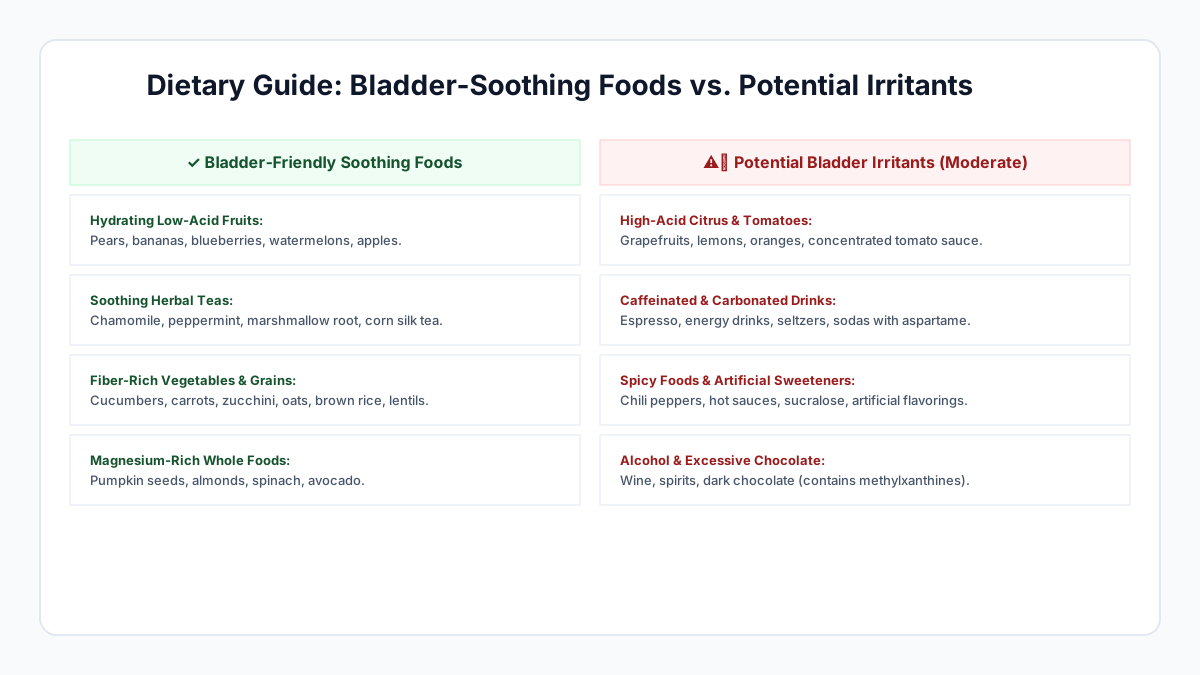
Figure 2: Dietary Guide: Bladder-Soothing Foods vs. Potential Irritants
Bladder-Soothing Foods & Drinks to Emphasize
- Low-Acid Fruits: Pears, bananas, blueberries, watermelon, and apples.
- Alkalizing Vegetables: Cucumbers, carrots, zucchini, sweet potatoes, and leafy greens.
- Soothing Herbal Infusions: Chamomile tea, corn silk tea, marshmallow root, and peppermint.
- High-Soluble Fiber Foods: Oats, ground flaxseed, lentils, and chia seeds to prevent constipation pressure on the bladder wall, as discussed in our Anti-Inflammatory Diet Guide.
Potential Bladder Irritants to Moderate
- Caffeinated Beverages: Coffee, espresso, black tea, and energy drinks.
- Acidic Citrus & Tomatoes: Grapefruits, lemons, limes, and concentrated tomato pastes.
- Carbonated Beverages: Sparkling waters and sodas (carbonation increases bladder pressure).
- Artificial Sweeteners: Aspartame, sucralose, and saccharin.
The Pelvic Floor & Core Muscle Connection
Habits and foods provide the chemical environment for bladder wellness, but physical muscular support comes from your pelvic floor hammock. As detailed in our comprehensive Pelvic Floor Health Guide, performing isolated pelvic muscle lifts (Kegels) with proper 5-second relaxation phases reinforces the sphincter muscles surrounding the bladder neck.
🧘 Incorporating “The Knack” into Daily Life
“The Knack” is the habit of pre-contracting your pelvic floor muscles a split second before you sneeze, cough, laugh, or lift a heavy box. This simple reflex cushions sudden spikes in abdominal pressure and helps protect against accidental stress leaks.
Botanical Ingredients Being Researched (Pumpkin Seed, Soy, Cranberry, D-Mannose)
In addition to lifestyle habits, many women explore natural botanical ingredients. Research is ongoing regarding several plant-based nutrients and their potential to support urinary muscle tone and tissue comfort:
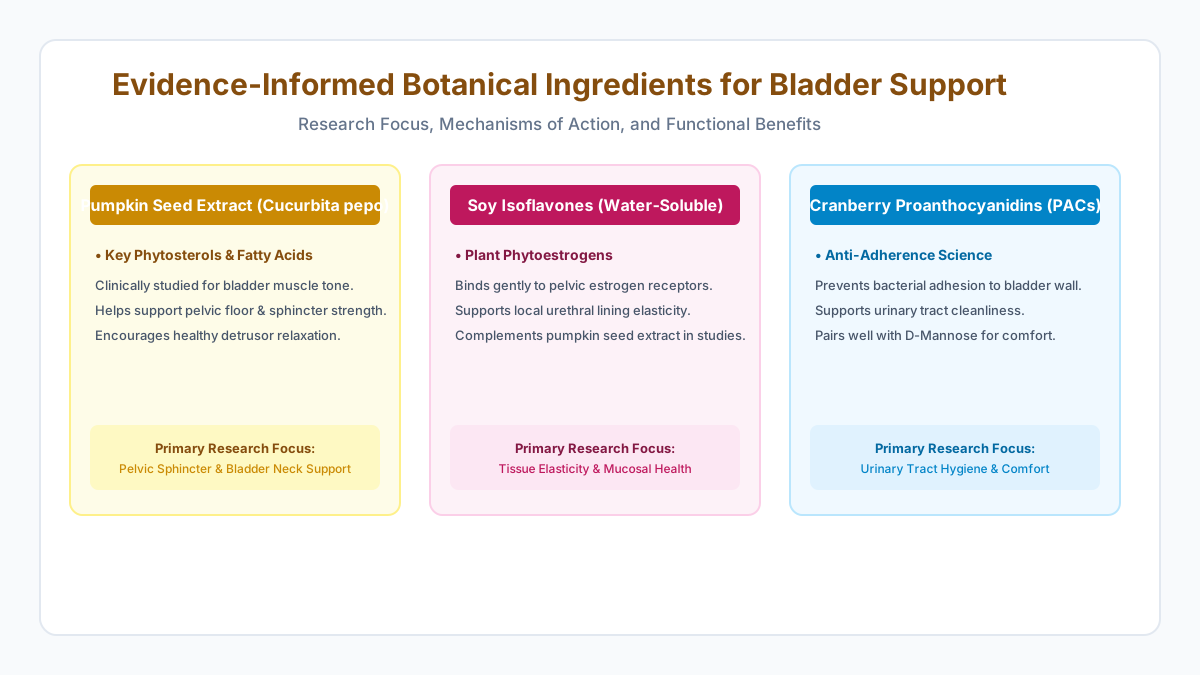
Figure 3: Botanical Ingredients Research Comparison Matrix
Detailed Research Breakdown of Key Botanicals
- Pumpkin Seed Extract (Cucurbita pepo): Rich in phytosterols and fatty acids. Some women explore pumpkin seed extract as research continues to examine how it may support pelvic sphincter muscle tone and nighttime urinary comfort as part of a broader wellness routine.
- Cranberry Extracts (PACs): Proanthocyanidins help prevent undesirable bacteria from adhering to the urinary tract lining, supporting bladder cleanliness.
- D-Mannose: A naturally occurring simple sugar that binds free-floating bacteria to assist natural urinary flushing.
- Soy Isoflavones: Plant phytoestrogens that interact gently with pelvic estrogen receptors to support local tissue elasticity in postmenopausal women.
7-Day Natural Bladder Wellness Routine
To help integrate these lifestyle, dietary, and core habits smoothly, follow this non-medical 7-day action plan:
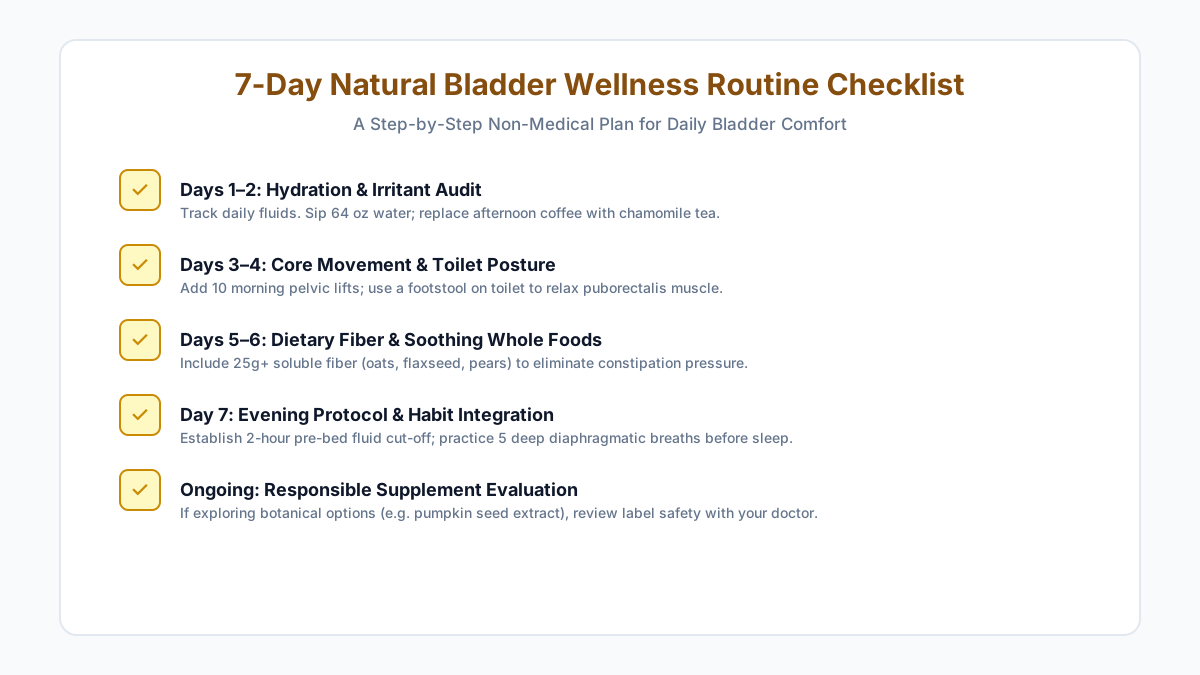
Figure 4: 7-Day Natural Bladder Wellness Routine Checklist
📋 7-Day Step-by-Step Action Plan
- ☐ Days 1–2 (Fluid Audit & Pacing): Track daily water intake. Sip 64 oz of plain water evenly; replace afternoon coffee with chamomile or mint tea.
- ☐ Days 3–4 (Core Movement & Toilet Posture): Add 10 morning pelvic tilts. Place a footstool under your feet while on the toilet to relax pelvic muscles.
- ☐ Days 5–6 (Soluble Fiber Boost): Eat 25g+ of soluble fiber (oats, flaxseed, pears, lentils) to prevent constipation pressure on the bladder.
- ☐ Day 7 (Nighttime Protocol & Habit Integration): Establish a 2-hour pre-bed fluid cut-off window and take 5 deep diaphragmatic breaths before sleep.
How to Evaluate Bladder Support Supplements Responsibly
If you decide to explore dietary supplements containing botanical extracts like pumpkin seed or soy isoflavones, use these objective evaluation criteria to make informed decisions:
- Transparent Ingredient Labeling: Look for exact milligram amounts of standardized extracts (e.g., 300mg water-soluble pumpkin seed extract) rather than vague proprietary blends.
- Avoiding Miracle Claims: Be skeptical of supplements promising “overnight cures” or guaranteed 100% leak reduction. Natural botanicals work gradually alongside healthy lifestyle habits.
- Dosage & Quality Awareness: Ensure the manufacturer utilizes GMP-certified facilities and independent third-party testing (NSF, USP, or Eurofins) for purity.
- Healthcare Professional Discussion: Always discuss new dietary supplements with your primary physician or gynaecologist, especially if you take prescription medications.
Frequently Asked Questions About Natural Bladder Support
What is natural bladder support?
Natural bladder support refers to non-pharmaceutical lifestyle approaches—such as paced hydration, bladder-soothing dietary choices, pelvic floor exercises, and evidence-informed botanical extracts—that support normal urinary tract function.
Can diet affect bladder comfort?
Yes. Certain foods and beverages can heighten bladder sensitivity in some women. Identifying personal triggers and tracking symptom patterns helps women adjust their diets for optimal daily comfort.
What foods may irritate the bladder?
Common bladder irritants include coffee, energy drinks, citrus fruits, concentrated tomato sauces, spicy peppers, sparkling waters, alcohol, and artificial sweeteners like aspartame.
Are pumpkin seed supplements helpful for bladder wellness?
Research is ongoing regarding botanical ingredients. Some women explore standardized pumpkin seed extract, which may support bladder muscle tone and nighttime comfort as part of a broader, holistic wellness routine.
Should women use supplements for bladder support?
Dietary supplements may complement pelvic floor exercises and hydration habits, but they are not mandatory for everyone. Women exploring supplements should evaluate ingredient transparency and discuss options with their healthcare provider.
📚 Related Women’s Health, Mobility & Nutrition Reading:
- Women’s Health After 40: Complete Guide to Hormones, Strength & Healthy Aging – Pillar 1 Guide.
- Bladder Health After 40: Causes, Changes & Practical Support Options – Pillar 2 Guide.
- Pelvic Floor Health Guide for Women: Exercises, Strength & Daily Habits – Pillar 3 Guide.
- Women’s Health Authority Hub – Complete category cluster.
- Anti-Inflammatory Diet for Beginners – 7-day meal plan and supermarket grocery swaps.
- How to Fall Asleep Fast: Science-Backed Sleep Hygiene Guide – Nighttime recovery tips.
🩺 Medical Disclaimer
The wellness information, guides, and suggestions provided in this article are for educational and motivational purposes only. This content is not a substitute for professional medical advice, diagnosis, treatment, or therapy. Always consult with a qualified healthcare professional or physician before starting any new diet, fitness program, or wellness plan.
Scientific References & Authoritative Sources
The following credible women’s health organizations provide evidence-informed clinical guidelines regarding female urinary health:
- American College of Obstetricians and Gynecologists (ACOG): Clinical Guidance for Urinary Wellness & Lifestyle Interventions. Available at: acog.org
- The North American Menopause Society (NAMS): Botanical Isoflavones & Genitourinary Health. Available at: menopause.org
- Harvard Health Publishing (Harvard Medical School): Dietary Triggers for Bladder Control & Fluid Pacing. Available at: health.harvard.edu
Interested in morning wellness routines? Learn more about our 60-second morning metabolic guidance. For targeted core and muscle exercise protocols, consult our detailed resource on pelvic floor health after menopause.