⚡ Quick Answer: Following menopause, reduced systemic estrogen levels can cause thinning and decreased collagen density in pelvic connective tissue. Maintaining pelvic health involves combining targeted pelvic muscle contractions (Kegels) with deep diaphragm breathing, pelvic posture alignment, and regular low-impact movement.
Last Updated: August 9, 2026 | Reviewed by: HealthWellness4Us Editorial Team
📁 Category: Women’s Health Authority Hub
HealthWellness4Us creates evidence-informed wellness content focused on healthy aging, nutrition, fitness, and women’s health. Our articles prioritize accuracy, clarity, and responsible health education.
Following menopause, many women notice that their bodies feel subtly different during daily movement. Exercises that used to feel effortless—like brisk walking, dancing, or Pilates classes—might suddenly cause minor pelvic discomfort or unexpected bladder leaks when laughing or coughing. Women often privately wonder: “Why do my pelvic muscles feel less supportive after menopause?” or “Are Kegel exercises enough to restore my core strength?”
The pelvic floor is not an isolated set of muscles; it functions as the dynamic base of your entire deep core system. As estrogen levels stabilize at a lower baseline after menopause, connective tissue collagen and fast-twitch muscle fibers undergo natural physiological shifts. Building upon our foundational guides—including Women’s Health After 40, Bladder Health After 40, and our core Pelvic Floor Health Guide—this article explores how postmenopausal hormonal changes affect pelvic muscle elasticity, why full core alignment surpasses isolated Kegels, and how to build a sustainable daily movement routine.
📌 Quick Navigation: Table of Contents
- 1. Postmenopausal Pelvic Floor Physiology
- 2. Isolated Kegels vs. Whole-Body Pelvic Core Alignment
- 3. The Diaphragm & Intra-Abdominal Pressure Connection
- 4. 4 Daily Movement Habits for Pelvic Support
- 5. Low-Impact Resistance Training & Posture Alignment
- 6. Complementary Botanical & Nutritional Research
- 7. Decision Guide: When to See a Pelvic Physical Therapist
- 8. Frequently Asked Questions
⚕️ Educational & Medical Disclaimer
This guide provides general educational information regarding low-impact movement and pelvic floor exercise. It does not replace medical evaluation, diagnosis, or physical therapy treatment. If you experience severe pelvic pain, bulging sensations, visible blood, or sudden incontinence, consult a qualified healthcare professional.
📋 Table of Contents
(Tap to expand)
- Postmenopausal Pelvic Floor Physiology
- Isolated Kegels vs. Whole-Body Pelvic Core Alignment
- The Diaphragm & Intra-Abdominal Pressure Connection
- 4 Daily Movement Habits for Pelvic Support
- Low-Impact Resistance Training & Posture Alignment
- Complementary Botanical & Nutritional Research
- Decision Guide: When to See a Pelvic Physical Therapist
- Frequently Asked Questions About Postmenopausal Pelvic Floor Health
- Scientific References & Authoritative Sources
Postmenopausal Pelvic Floor Physiology
Postmenopausal pelvic floor health is governed by structural shifts in muscle fiber composition and fascial tissue collagen. Following menopause, three key changes occur:
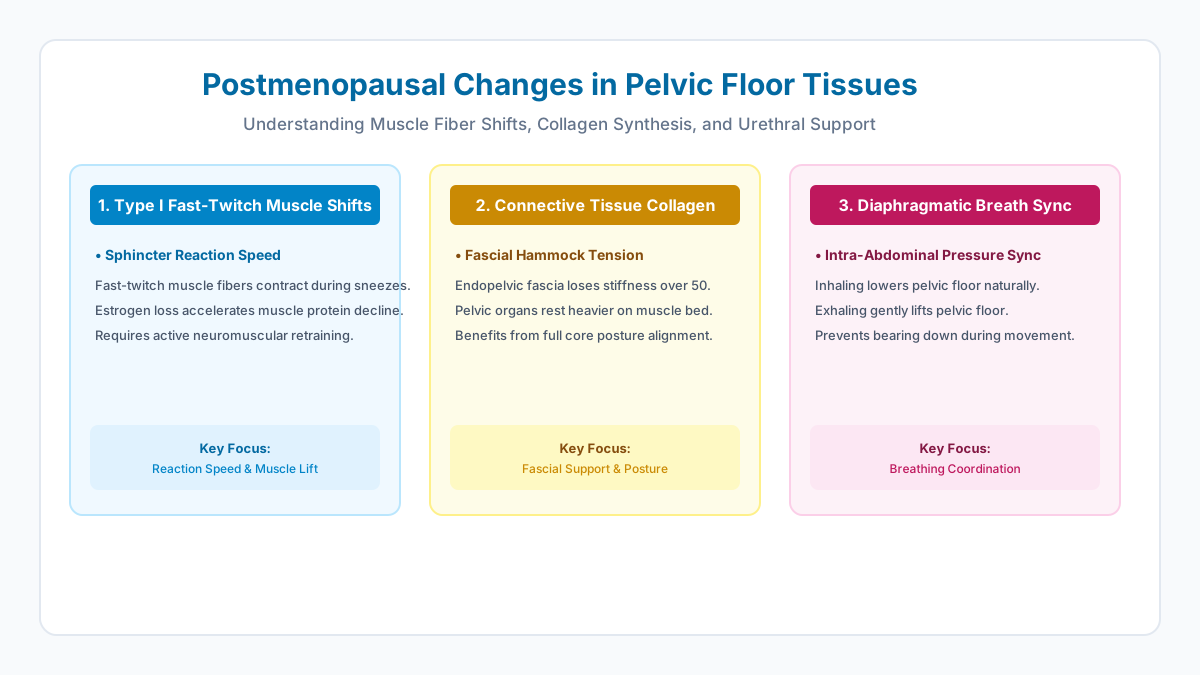
Figure 1: Postmenopausal Changes in Pelvic Floor Tissues
1. Type I Fast-Twitch Muscle Fiber Decline
The pelvic floor hammock contains both slow-twitch (endurance) and fast-twitch (reaction) muscle fibers. Estrogen loss accelerates the decline of fast-twitch fibers, which are responsible for contracting rapidly to seal the urethral sphincter during sudden coughs or laughs.
2. Fascial Collagen Softening
Endopelvic fascia is the tough connective tissue web that anchors the bladder, uterus, and rectum to the pelvic side walls. Decreased collagen synthesis after menopause reduces fascial stiffness, allowing organs to rest heavier on the pelvic muscle bed.
3. Urethral Mucosal Vascular Cushion Reduction
As detailed in our guide on Menopause Bladder Urgency, estrogen loss thins the vascular lining inside the urethra, lowering passive urethral closure pressure.
Isolated Kegels vs. Whole-Body Pelvic Core Alignment
For decades, women were told that squeezing pelvic muscles (Kegels) in isolation was the sole solution for pelvic weakness. However, modern pelvic physical therapy emphasizes that isolated Kegels are often incomplete—and can sometimes lead to over-tight, hypertonic pelvic floor muscles if performed incorrectly.
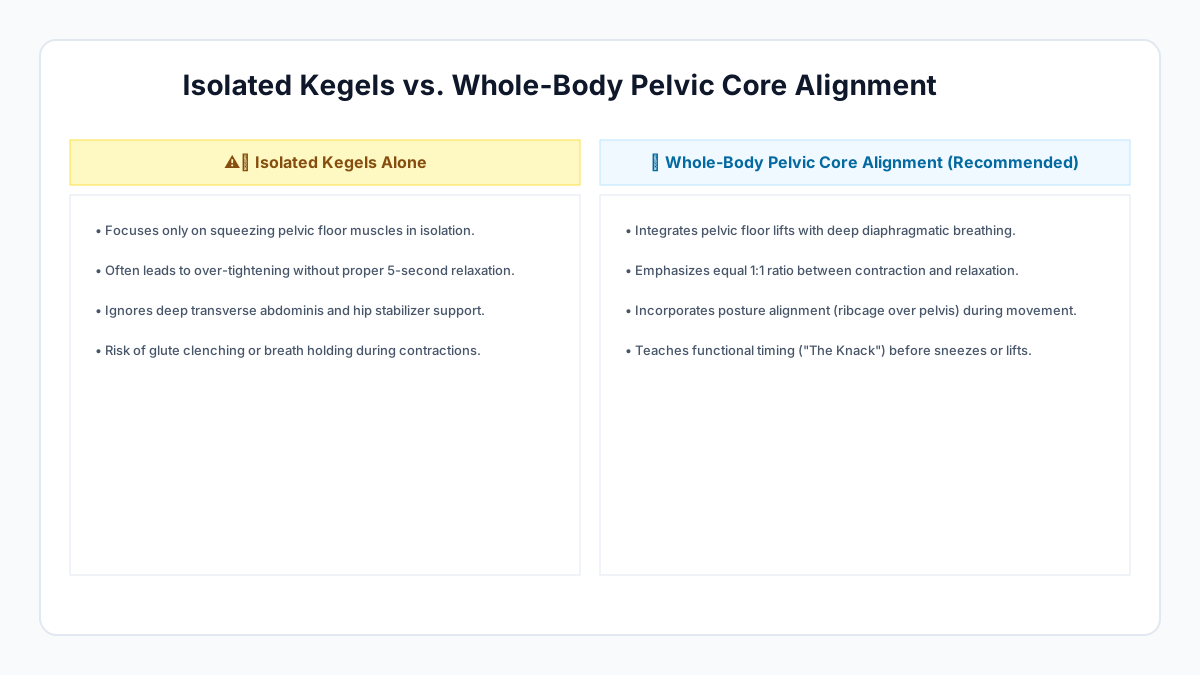
Figure 2: Isolated Kegels vs. Whole-Body Pelvic Core Alignment
The Diaphragm & Intra-Abdominal Pressure Connection
Your respiratory diaphragm and pelvic floor move in perfect synchronization like a piston system. When you inhale deeply, your diaphragm moves down, and your pelvic floor naturally relaxes downward. When you exhale, your pelvic floor gently lifts upward. Practicing diaphragmatic breathing prevents holding your breath during exertion, which can push abdominal pressure downward onto bladder tissues.
4 Daily Movement Habits for Pelvic Support
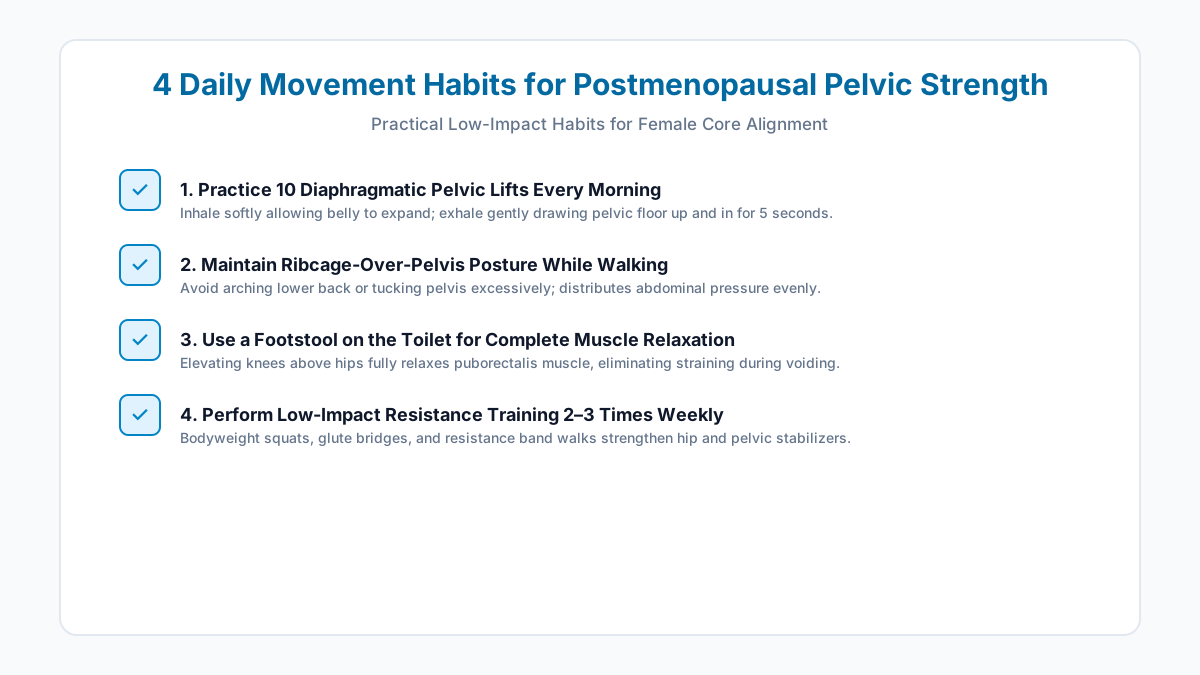
Figure 3: 4 Daily Movement Habits for Postmenopausal Pelvic Strength
1. Diaphragmatic Pelvic Lifts (10 Reps Morning & Evening)
Lie on your back with knees bent. Inhale slowly through your nose, letting your belly expand. As you exhale through your mouth, imagine gently lifting your pelvic floor up and in for 5 seconds, followed by a full 5-second relaxation phase.
2. Ribcage-Over-Pelvis Walking Posture
Avoid arching your lower back or tucking your pelvis excessively while walking. Stacking your ribcage directly over your pelvis ensures that gravity and ground reaction forces distribute evenly across core muscles.
3. Utilizing a Toilet Footstool for Complete Muscle Relaxation
Placing a footstool under your feet while sitting on the toilet elevates your knees above your hips. This position fully unhooks the puborectalis muscle sling, allowing full bladder and bowel emptying without straining.
4. Incorporating “The Knack” Before Physical Effort
Pre-contract your pelvic floor muscles a split second before sneezing, coughing, laughing, or lifting groceries to cushion abdominal pressure spikes.
Low-Impact Resistance Training & Posture Alignment
Combining pelvic floor exercises with low-impact resistance training—such as bodyweight squats, glute bridges, and resistance band side steps—strengthens hip rotators and gluteal muscles that support the pelvic girdle from the outside.
Complementary Botanical & Nutritional Research
Alongside movement habits, nutritional co-factors support muscle protein synthesis and tissue comfort. As explored in our deep-dive on Pumpkin Seed Extract Research, clinical trials suggest that standardized water-soluble pumpkin seed extract (rich in delta-7-sterols) and soy isoflavones may complement pelvic floor exercises by supporting sphincter muscle tone and mucosal elasticity over 6 to 12 weeks of daily consistent use.
Decision Guide: When to See a Pelvic Physical Therapist
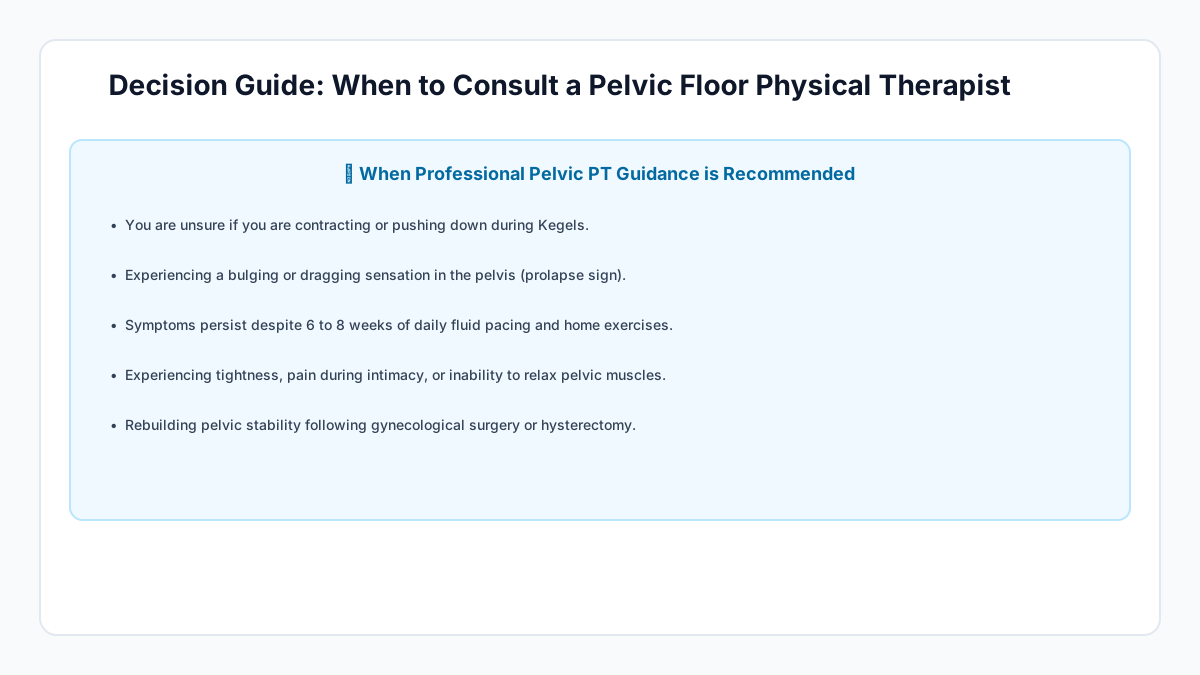
Figure 4: Decision Guide: When to Consult a Pelvic Floor Physical Therapist
Frequently Asked Questions About Postmenopausal Pelvic Floor Health
Can you strengthen your pelvic floor after menopause?
Yes. Muscle tissue retains neuromuscular adaptability throughout midlife. Combining controlled pelvic floor retraining, diaphragmatic breathing, and hip strengthening helps improve pelvic support after menopause.
Why do Kegel exercises sometimes fail to improve leaks?
Kegels may fail if performed incorrectly (such as pushing downward instead of lifting upward), if muscles are already over-tight and hypertonic, or if posture and diaphragmatic breathing are ignored.
How often should postmenopausal women do pelvic floor exercises?
A routine of 10 to 15 controlled pelvic lifts performed 2 to 3 times daily (always including equal 5-second relaxation phases) provides consistent neuromuscular training without fatiguing pelvic tissues.
Is pelvic organ prolapse common after menopause?
Mild pelvic organ relaxation is common after menopause due to decreased estrogen and fascial collagen shifts. Seeing a pelvic floor physical therapist helps women learn targeted management strategies.
📚 Related Women’s Health Authority Guides:
- Women’s Health After 40: Complete Guide to Hormones, Strength & Healthy Aging – Pillar 1 Guide.
- Bladder Health After 40: Causes, Changes & Practical Support Options – Pillar 2 Guide.
- Pelvic Floor Health Guide for Women: Exercises, Strength & Daily Habits – Pillar 3 Guide.
- Natural Bladder Support for Women Over 40: Habits, Foods & Lifestyle Approaches – Article 4 Guide.
- Pumpkin Seed Extract for Bladder Health: Research, Uses & What Women Should Know – Article 5 Guide.
- Why Bladder Urgency Can Increase During Menopause – Cluster 2 Article 1 Guide.
- Nighttime Urination After 50: Causes & Sleep Habits – Cluster 2 Article 2 Guide.
- Perimenopause Symptoms Women Often Ignore – Cluster 2 Article 3 Guide.
- Women’s Health Authority Hub – Explore our full Women’s Health cluster.
🩺 Medical Disclaimer
The wellness information, guides, and suggestions provided in this article are for educational and motivational purposes only. This content is not a substitute for professional medical advice, diagnosis, treatment, or therapy. Always consult with a qualified healthcare professional or physician before starting any new diet, fitness program, or wellness plan.
Scientific References & Authoritative Sources
The following credible health organizations provide evidence-informed guidelines regarding pelvic floor health:
- American Physical Therapy Association (APTA Pelvic Health): Clinical Guidelines for Pelvic Floor Muscle Training. Available at: aptapelvichealth.org
- The North American Menopause Society (NAMS): Estrogen & Pelvic Floor Support in Postmenopausal Women. Available at: menopause.org
- Harvard Health Publishing (Harvard Medical School): Pelvic Floor Exercise & Core Stability Over 50. Available at: health.harvard.edu
💡 Related Guide: Read our comprehensive Pelvic Floor Health Guide for step-by-step movement routines.