
Last Updated: August 9, 2026 | Reviewed by: HealthWellness4Us Editorial Team
📁 Category: Women’s Health Authority Hub
HealthWellness4Us creates evidence-informed wellness content focused on healthy aging, nutrition, fitness, and women’s health. Our articles prioritize accuracy, clarity, and responsible health education.
Entering your 50s is a powerful milestone, bringing wisdom, confidence, and a clearer sense of personal priorities. Yet, it is also a decade of significant physiological transformation. As estrogen levels settle into postmenopausal stability, women frequently notice changes in muscle strength, metabolism, sleep quality, and pelvic health. Many women search online with questions like: “How do I maintain energy and prevent muscle loss after 50?” or “What daily habits support vibrant healthy aging after menopause?”
Healthy aging is not about trying to turn back the clock; it is about providing your body with the targeted biological support it needs to thrive in midlife and beyond. Building upon our foundational guides—including Women’s Health After 40, Bladder Health After 40, Pelvic Floor Health, and Pelvic Floor Health After Menopause—this master guide provides an evidence-informed roadmap covering muscle preservation, bone density, nutrition, pelvic core vitality, and essential health screenings.
📌 Quick Navigation: Table of Contents
- 1. The 4 Pillars of Midlife Vitality
- 2. Muscle Preservation & Sarcopenia Prevention
- 3. Bone Mineral Density & Joint Mobility
- 4. Pelvic Core Support & Restorative Sleep Pacing
- 5. Protein Pacing & Anti-Inflammatory Nutrition
- 6. Weekly Healthy Aging Vitality Protocol
- 7. Essential Medical Screenings to Discuss After 50
- 8. Frequently Asked Questions
⚕️ Educational & Medical Disclaimer
This guide provides general educational information regarding healthy aging, nutrition, and exercise for women over 50. It does not replace medical evaluation, diagnosis, or personalized treatment. Before beginning a new exercise program or supplement regime, consult a qualified healthcare professional.
📋 Table of Contents
(Tap to expand)
- The 4 Pillars of Midlife Vitality
- Muscle Preservation & Sarcopenia Prevention
- Bone Mineral Density & Joint Mobility
- Pelvic Core Support & Restorative Sleep Pacing
- Protein Pacing & Anti-Inflammatory Nutrition
- Weekly Healthy Aging Vitality Protocol
- Essential Medical Screenings to Discuss After 50
- Frequently Asked Questions About Healthy Aging Over 50
- Scientific References & Authoritative Sources
The 4 Pillars of Midlife Vitality
Healthy aging for women over 50 rests upon four interconnected biological pillars:
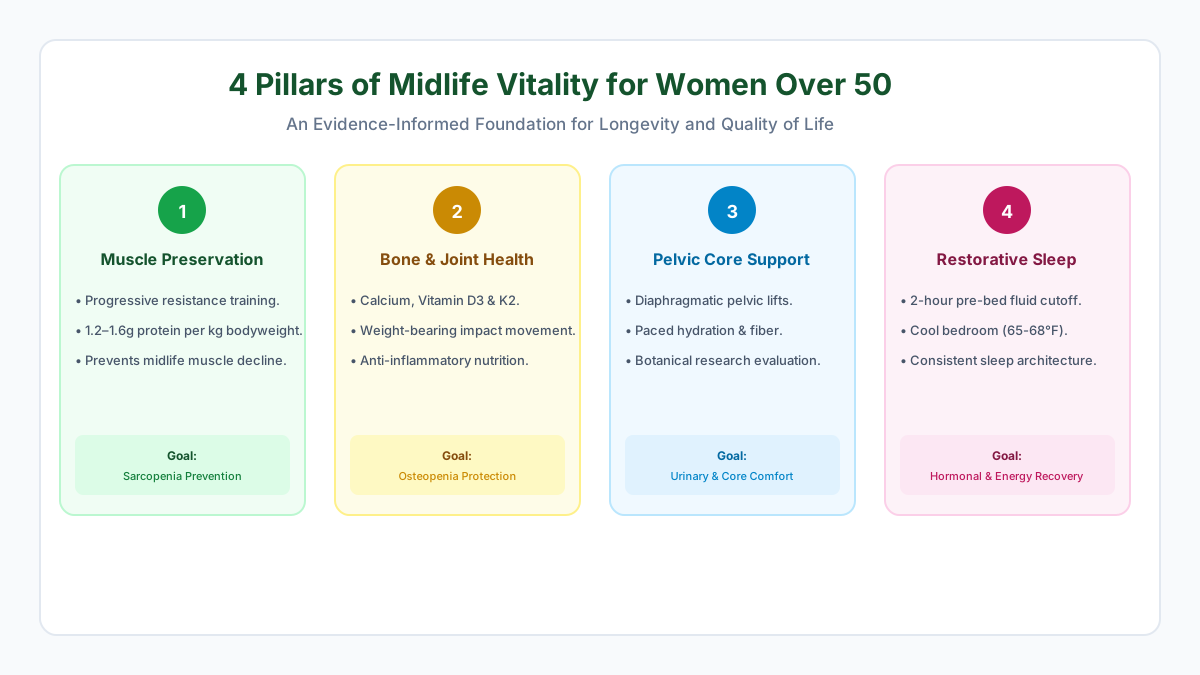
Figure 1: 4 Pillars of Midlife Vitality for Women Over 50
Muscle Preservation & Sarcopenia Prevention
Sarcopenia refers to the gradual, age-related loss of skeletal muscle mass and strength. After age 50, women naturally lose 3% to 8% of muscle mass per decade if active steps are not taken. Because muscle tissue drives resting metabolism, insulin sensitivity, and pelvic organ support, preserving muscle mass is the single most effective longevity habit for women over 50.
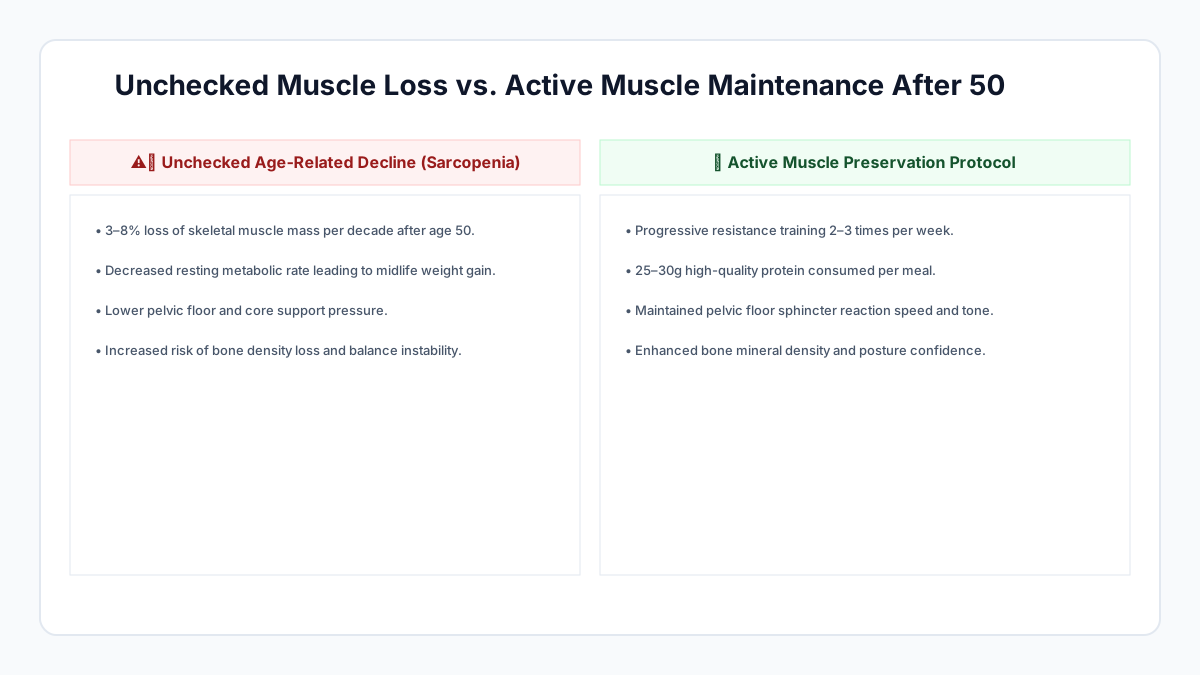
Figure 2: Unchecked Muscle Loss vs. Active Muscle Maintenance After 50
Bone Mineral Density & Joint Mobility
Estrogen plays a pivotal role in osteoblast (bone-building) activity. During the first 5 to 7 years following menopause, women can experience up to a 20% drop in bone density. Incorporating weight-bearing exercises (walking, hiking, dancing) alongside progressive resistance training creates mechanical stress that stimulates bone remodeling.
Pelvic Core Support & Restorative Sleep Pacing
Maintaining pelvic floor muscle tone and nighttime sleep continuity are vital components of midlife wellness. As explored in our guides on Menopause Bladder Urgency and Nighttime Urination After 50, practicing 2-hour pre-bed fluid cutoff routines, leg elevation, and daily diaphragmatic pelvic lifts preserves bladder comfort and sleep architecture.
Protein Pacing & Anti-Inflammatory Nutrition
Postmenopausal women exhibit higher anabolic resistance, meaning the body requires a higher concentration of amino acids per meal to stimulate muscle protein synthesis. Aim for 25g to 30g of high-quality protein per meal (1.2g to 1.6g per kg of body weight daily).
Pairing protein pacing with an anti-inflammatory Mediterranean eating pattern—rich in olive oil, leafy greens, berries, and 25g+ soluble fiber as detailed in our Anti-Inflammatory Diet Guide—supports gut health and cellular longevity.
Weekly Healthy Aging Vitality Protocol
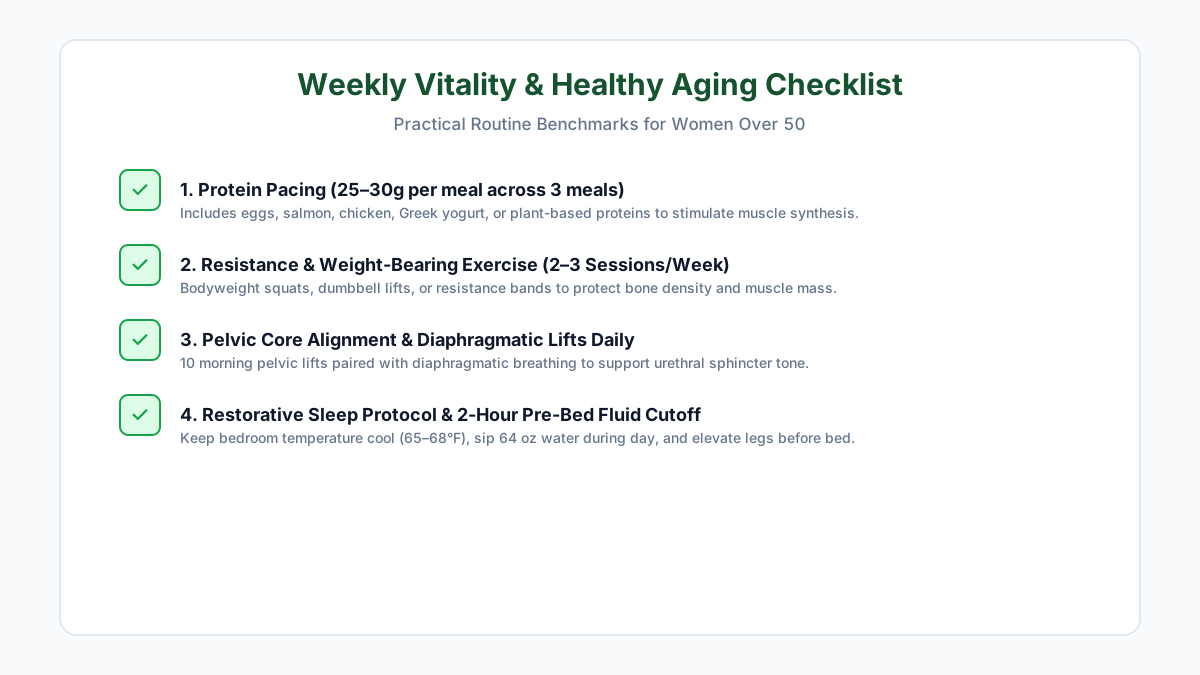
Figure 3: Weekly Vitality & Healthy Aging Checklist
Essential Medical Screenings to Discuss After 50
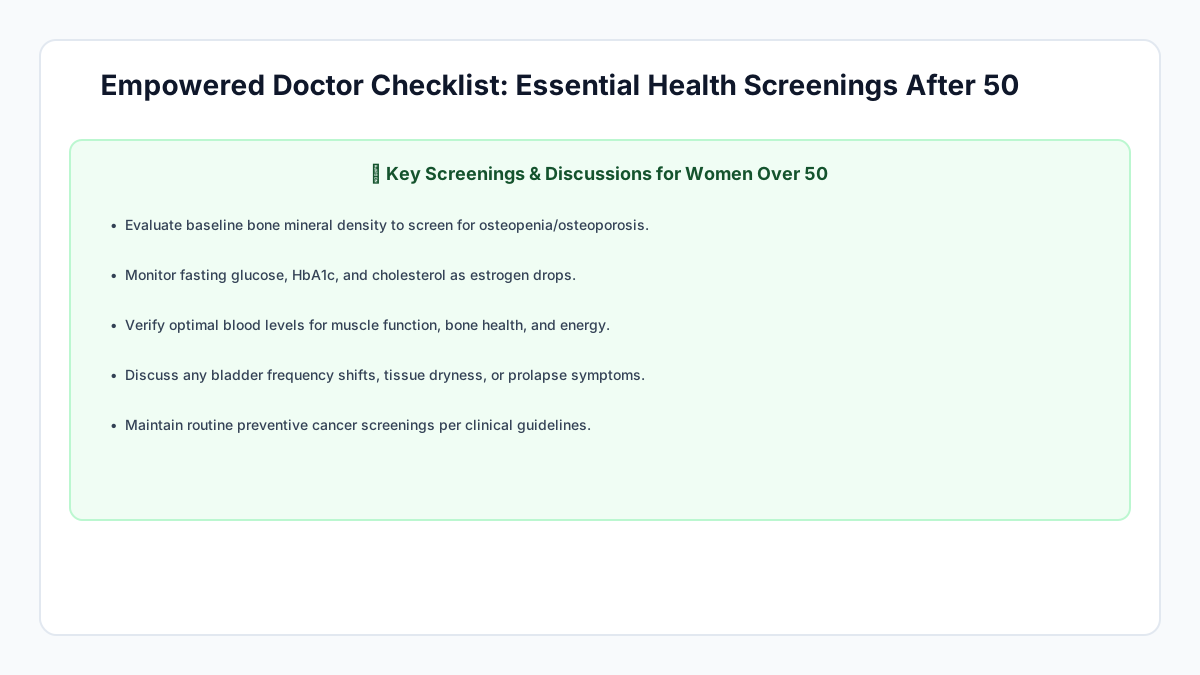
Figure 4: Key Screenings & Discussions for Women Over 50
Frequently Asked Questions About Healthy Aging Over 50
What is the most important exercise for women over 50?
Progressive resistance training (using dumbbells, resistance bands, or body weight) is considered the most critical exercise for women over 50 because it simultaneously protects bone mineral density, prevents muscle loss (sarcopenia), and supports pelvic core alignment.
How much protein should a woman over 50 eat daily?
Clinical nutrition research recommends that women over 50 consume 1.2 to 1.6 grams of protein per kilogram of body weight daily (roughly 25g to 30g of protein per meal across 3 meals) to stimulate muscle protein synthesis.
Can you rebuild muscle after menopause?
Yes. Skeletal muscle retains neuromuscular plasticity throughout life. Consistently engaging in resistance training 2 to 3 times weekly alongside adequate protein intake effectively builds muscle strength after menopause.
How does healthy aging support pelvic floor function?
Maintaining whole-body core muscle mass, staying hydrated with fluid pacing, eating high-fiber foods, and avoiding chronic constipation all relieve pressure on the pelvic floor hammock, supporting bladder comfort as you age.
📚 Related Women’s Health Authority Guides:
- Women’s Health After 40: Complete Guide to Hormones, Strength & Healthy Aging – Pillar 1 Guide.
- Bladder Health After 40: Causes, Changes & Practical Support Options – Pillar 2 Guide.
- Pelvic Floor Health Guide for Women: Exercises, Strength & Daily Habits – Pillar 3 Guide.
- Natural Bladder Support for Women Over 40: Habits, Foods & Lifestyle Approaches – Article 4 Guide.
- Pumpkin Seed Extract for Bladder Health: Research, Uses & What Women Should Know – Article 5 Guide.
- Why Bladder Urgency Can Increase During Menopause – Cluster 2 Article 1 Guide.
- Nighttime Urination After 50: Causes & Sleep Habits – Cluster 2 Article 2 Guide.
- Perimenopause Symptoms Women Often Ignore – Cluster 2 Article 3 Guide.
- Pelvic Floor Health After Menopause: Strength & Core Alignment – Cluster 2 Article 4 Guide.
- Women’s Health Authority Hub – Explore our full Women’s Health cluster.
🩺 Medical Disclaimer
The wellness information, guides, and suggestions provided in this article are for educational and motivational purposes only. This content is not a substitute for professional medical advice, diagnosis, treatment, or therapy. Always consult with a qualified healthcare professional or physician before starting any new diet, fitness program, or wellness plan.
Scientific References & Authoritative Sources
The following credible health organizations provide evidence-informed clinical guidelines regarding healthy aging and postmenopausal health:
- National Institute on Aging (NIA): Exercise & Physical Activity Guidelines for Older Adults. Available at: nia.nih.gov
- The North American Menopause Society (NAMS): Sarcopenia & Muscle Maintenance in Postmenopausal Women. Available at: menopause.org
- Mayo Clinic: Healthy Aging for Women Over 50: Nutrition, Bone Density & Screening Guidelines. Available at: mayoclinic.org