We live in a world that makes it incredibly easy to sit. From desk jobs and long commutes to streaming services and grocery delivery apps, our daily routines are designed for convenience—and, consequently, physical inactivity. Yet, our bodies were built to move. While the fitness industry often tells us that we need high-intensity gym sessions, expensive equipment, or exhausting workouts to be healthy, the truth is much simpler. One of the most effective forms of exercise is free, accessible to almost everyone, and requires nothing more than a supportive pair of shoes.
Walking is a natural, low-impact activity that offers profound benefits for your body, mind, and spirit. By simply dedicating 30 minutes a day to a brisk walk, you can kickstart a cascade of positive health changes that science consistently validates. In this guide, we will dive deep into ten science-backed benefits of walking daily, share a practical plan to get you started (along with our detailed nutrition guides), and answer common questions to help you build a lifelong habit.
📅 Progressive 4-Week Beginner Walking Plan
📋 Table of Contents
(Tap to expand)
10 Science-Backed Benefits of Walking 30 Minutes Every Day
1. Improves Heart Health
Your heart is a muscle, and like any muscle, it becomes stronger and more efficient with regular exercise. Walking at a brisk pace is an excellent form of cardiovascular conditioning. Research published by the American Heart Association indicates that a daily brisk walk can lower your risk of coronary heart disease, stroke, and high blood pressure. When you walk, your heart rate increases, pushing oxygen-rich blood throughout your circulatory system and forcing your blood vessels to dilate. Over time, this improves the flexibility of your arteries, helps lower resting blood pressure, and reduces LDL (bad) cholesterol while raising HDL (good) cholesterol.
Practical Tip: To get the most cardiovascular benefits, aim for a pace where your breathing is deeper and faster than normal, but you can still hold a conversation. If you can sing a song, you should pick up the pace; if you cannot speak a full sentence without gasping, you should slow down.
Real-Life Example: Sarah, a 45-year-old office administrator, felt sluggish and discovered her blood pressure was creeping into the pre-hypertension range. Rather than jumping into a high-impact gym routine, she committed to a 30-minute brisk walk during her lunch break. Within three months, her blood pressure readings returned to a healthy range, and she felt a noticeable improvement in her daily cardiovascular endurance.

2. Supports Healthy Weight Management
While high-intensity workouts burn a large number of calories in a short time, walking is a highly sustainable and effective tool for healthy weight management and reducing body fat over the long term. A 30-minute brisk walk burns approximately 100 to 200 calories depending on your weight, speed, and the terrain. More importantly, walking targets visceral fat—the dangerous type of fat that accumulates around your abdominal organs and is linked to metabolic disorders. Regular walking also helps maintain lean muscle mass, which keeps your resting metabolic rate elevated, helping your body burn more energy even when you are resting.
Practical Tip: To maximize energy expenditure, introduce intervals into your walk. For instance, walk at a normal pace for three minutes, then push yourself to walk as fast as you can for one minute. Repeat this cycle throughout your 30-minute session.
Real-Life Example: John, a 38-year-old software developer, wanted to shed some weight but struggled with joint pain when running. He decided to start walking 30 minutes every evening after work. By making this single change, along with establishing healthy eating habits, he safely and comfortably lost 18 pounds over six months without stressing his knees or lower back.

3. Boosts Mood and Mental Wellness
Physical health is deeply intertwined with mental well-being. When you walk, your brain releases neurotransmitters like endorphins, dopamine, and serotonin, which act as natural mood lifters. Walking outdoors in natural surroundings—sometimes called “green exercise” or “ecotherapy”—has been shown to significantly reduce symptoms of anxiety, depression, and chronic stress, making walking a highly effective tool for daily stress management. It lowers levels of cortisol, the body’s primary stress hormone, and provides a valuable mental break from screens, work pressures, and daily worries.
Practical Tip: Try to walk in areas with trees, grass, or water. Turn off your phone notifications and focus on the sights, sounds, and smells of nature to practice active mindfulness during your walk.
Real-Life Example: Maria, a freelance graphic designer, frequently experienced afternoon anxiety and creative blocks. She began taking a 30-minute walk through a local nature reserve every day at 2 PM. She found that the combination of movement, fresh air, and natural scenery acted as a reset button, clearing her mind and improving her focus for the rest of the day.

4. Helps Maintain Healthy Blood Sugar Levels
When you eat, your body breaks down carbohydrates into glucose, which enters your bloodstream. In response, your pancreas releases insulin to help transport that glucose into your cells for energy. However, walking makes your muscles much more sensitive to insulin, allowing them to absorb glucose directly from the bloodstream even without insulin. According to studies published in journals like Diabetes Care, taking a short walk shortly after eating can significantly blunt post-meal blood sugar spikes, which is incredibly beneficial for preventing and managing type 2 diabetes.
Practical Tip: Try to schedule your daily 30 minutes of walking into smaller increments after meals—such as a 10-minute walk after breakfast, lunch, and dinner. This is often more effective at regulating blood sugar than a single long session.
Real-Life Example: David, a retired teacher, was diagnosed with prediabetes and advised to monitor his post-meal glucose levels. He began taking a 15-minute walk immediately after his largest meals. His post-meal blood sugar spikes flattened out, and his A1C levels steadily moved back toward a healthy range over the course of a year.

5. Supports Joint Mobility
Unlike your blood vessels, which rely on the pumping action of the heart, joint cartilage has no direct blood supply. It receives its nourishment from synovial fluid, a lubricating liquid that circulates through the joint capsule when you move. Walking is a low-impact weight-bearing exercise that gently compresses and decompresses joint cartilage, pumping nutrient-rich synovial fluid into your hips, knees, and ankles. This helps reduce joint stiffness, alleviates arthritis pain, and strengthens the muscles surrounding your joints, providing them with better support and stability.
Practical Tip: If you suffer from joint pain, start your walk at a slow, gentle pace for the first five minutes to allow your joints to warm up and lubricate before you pick up the pace.
Real-Life Example: Linda, a 62-year-old grandmother, suffered from osteoarthritis in her knees and found it painful to climb stairs. Under the guidance of her physical therapist, she began a gentle 30-minute daily walking routine on flat, paved surfaces. Over time, the stiffness in her knees decreased, and she was able to move around with significantly less discomfort.
6. Increases Energy Levels
When you feel tired, your natural instinct might be to lie down and rest. However, sedentary fatigue is often caused by poor circulation and low oxygen flow. Walking stimulates your cardiovascular system, increasing heart rate and blood flow, which delivers more oxygen and vital nutrients to your brain, organs, and muscles. It also triggers the release of cortisol, epinephrine, and growth hormone—compounds that naturally boost alertness and fight fatigue. Over time, consistent walking increases the number of mitochondria (the energy-producing powerhouses of your cells), giving you more stamina throughout the day.
Practical Tip: Instead of reaching for a second cup of coffee during the afternoon slump, step outside for a quick, brisk 15-minute walk. You will likely return to your desk feeling more refreshed and alert than a caffeine boost could provide.
Real-Life Example: James, a 29-year-old software engineer, struggled with intense fatigue and brain fog every afternoon around 3 PM. He began taking a brisk walk around his office complex during his afternoon break. He noticed a dramatic increase in his focus and energy levels that lasted for the rest of his workday, without the typical evening caffeine crash.

7. Improves Sleep Quality
If you struggle with falling asleep, staying asleep, or waking up feeling unrested, a daily walk can be a game changer for sleep improvement. Exposure to natural morning light helps regulate your body’s internal clock (circadian rhythm), which signals the brain to release melatonin (the sleep hormone) at the appropriate time in the evening. Furthermore, the moderate physical exertion of walking helps reduce physical restlessness and calms the mental chatter that often keeps us awake at night.
Practical Tip: Try to walk in the morning or early afternoon. Avoid vigorous, fast-paced walking within two hours of your bedtime, as the temporary spike in body temperature and stress hormones might make it harder to wind down.
Real-Life Example: Karen, a 50-year-old teacher, struggled with mild insomnia and woke up multiple times during the night. She started a consistent routine of walking for 30 minutes at 7:30 AM every morning. Within two weeks, she found she fell asleep faster and enjoyed a much deeper, more restorative sleep.

8. Supports Healthy Aging
As we age, we naturally lose muscle mass, bone density, and balance, which increases the risk of falls and fractures. Walking is a weight-bearing exercise, which means it forces your body to work against gravity. This stress signals your bones to lay down new mineral tissue, maintaining bone density and lowering the risk of osteoporosis. Additionally, walking on varied terrain forces your core and stabilizer muscles to engage, improving your balance, coordination, and spatial awareness.
Practical Tip: To challenge your balance and build stronger leg muscles, occasionally walk on uneven surfaces like gravel, grass, or hiking trails, and incorporate paths with gentle inclines and declines.
Real-Life Example: Robert, a 72-year-old grandfather, wanted to ensure he could keep up with his active grandchildren. He joined a local walking group that meets for 30 minutes every morning. The consistent routine has helped him maintain excellent balance and leg strength, allowing him to remain independent and active in his community.
 healthy aging and balance.” class=”wp-image-1616″ />
9. Supports Brain Health
Walking is just as beneficial for the brain as it is for the body. Research shows that aerobic exercise like brisk walking triggers the release of brain-derived neurotrophic factor (BDNF), a protein that supports the growth, survival, and connection of brain cells. Regular walking has been linked to a larger hippocampus—the area of the brain responsible for memory and learning—and can significantly reduce the risk of cognitive decline and dementia in older adults. It also encourages creative thinking by allowing the brain’s default mode network to activate, which is why many people get their best ideas while walking.
Practical Tip: If you are working on a difficult problem or feeling creatively blocked, step away from your desk and go for a walk. Leave the headphones behind and let your mind wander naturally.
Real-Life Example: Elena, a writer and researcher, struggled to structure a complex chapter of her new book. She decided to take a 30-minute walk without her phone. Ten minutes into the walk, the solution clicked, and she was able to return to her desk and finish the chapter with ease.

10. Helps Build a Long-Term Fitness Habit
The biggest obstacle to getting fit is often the friction of starting. Intimidating gym environments, sore muscles, and complex schedules make it easy to quit. Walking has an incredibly low barrier to entry. You do not need to learn complex techniques, drive to a gym, or change into specialized gear (other than comfortable shoes). Because it is gentle on the body, you rarely feel sore the next day, which makes it much easier to repeat. By starting with walking, you build the psychological habit of daily movement, which can serve as a foundation for other exercise routines later on.
Practical Tip: Make your walk non-negotiable by scheduling it like an important doctor’s appointment. Consistency is far more important than intensity when you are building a new habit.
Real-Life Example: The Thompson family struggled to find an activity they could all do together. They decided to establish a “weekend morning walk” ritual, walking for 30 minutes around their neighborhood before breakfast. This simple routine helped them stay connected and active, serving as a gateway to other family outdoor adventures.
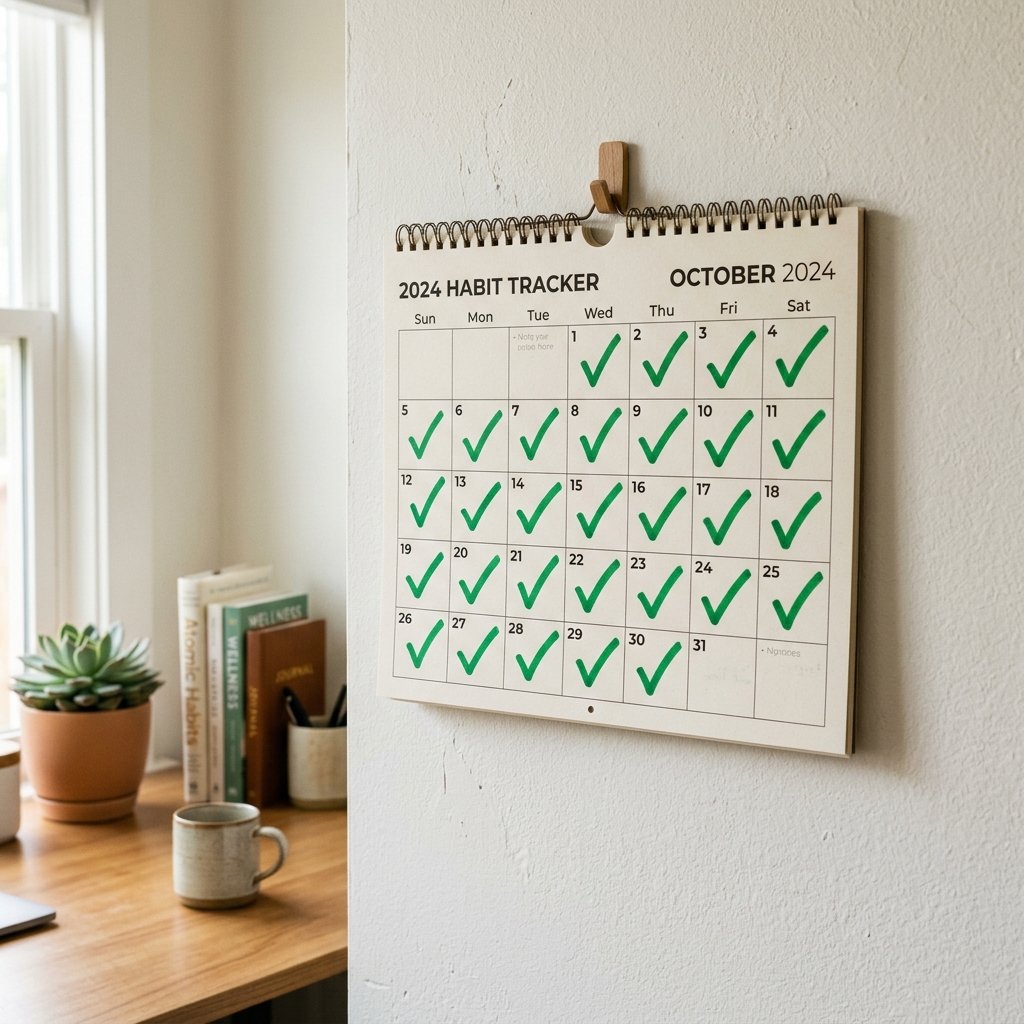
Simple 30-Minute Walking Plan
If you are new to regular exercise or returning after a long break, jumping straight into a daily 30-minute walk might feel daunting. The key is to start small and gradually build your endurance. Use the schedule below to safely and comfortably establish your walking routine over the next five weeks.
Beginner Walking Schedule
Use this weekly routine to build up to a consistent 30 minutes of brisk walking. Remember to listen to your body and adjust the pace as needed.
| Phase | Duration & Pace | Frequency | Goal |
|---|---|---|---|
| Weeks 1-2 | 15 minutes at a comfortable, moderate pace | 3-4 days per week | Establish the habit of stepping out and moving consistently. |
| Weeks 3-4 | 20-25 minutes at a moderate pace, adding a 2-minute brisk burst | 4-5 days per week | Gradually build endurance and introduce mild cardiovascular challenge. |
| Week 5 and Beyond | 30 minutes at a brisk pace (deep breathing, but can talk) | 5-7 days per week | Maintain a daily 30-minute habit to reap the full health benefits. |
Tips for Ongoing Progress
- Track Your Steps: Use a simple smartphone app, smart band, or pedometer to monitor your progress. Seeing your daily step count increase can be highly motivating.
- Find a Walking Partner: Walking with a spouse, friend, or coworker is a fantastic way to keep yourself accountable and turn exercise into a social activity.
- Keep It Interesting: Vary your routes. Walk in different neighborhoods, visit local parks, or find a nature trail. Changing the scenery keeps the habit feeling fresh.
- Dress for Success: Invest in a good pair of supportive walking or running shoes, and wear breathable, moisture-wicking clothing to ensure you stay comfortable in different weather conditions.
Recommended Walking Gear
To help you get the most out of your daily walks and stay comfortable in all conditions, here are some of our top recommended walking accessories:
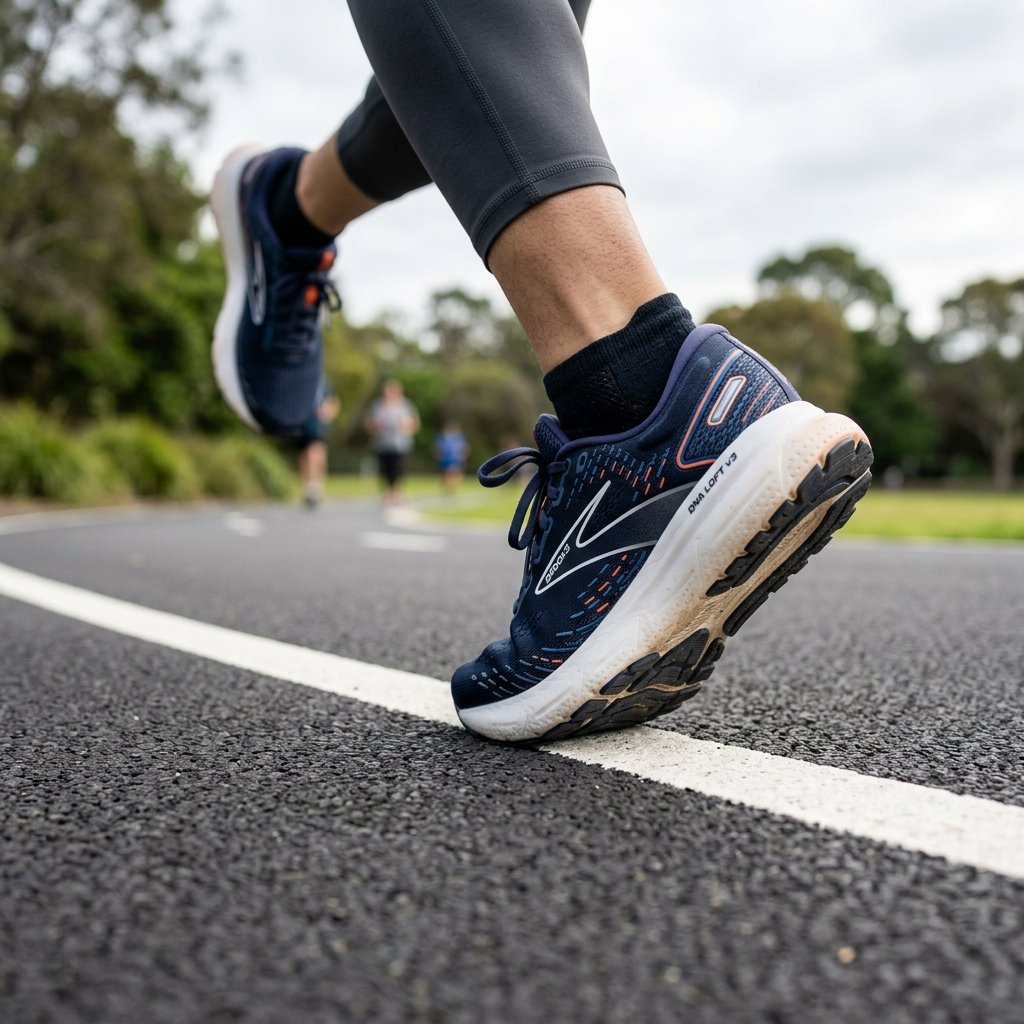
- Supportive Walking Shoes: Look for shoes with excellent heel cushioning and arch support (such as Brooks Ghost or Asics Gel-Nimbus) to protect your knees and lower back on concrete surfaces.
- Double-Layer Walking Socks: Premium double-layer athletic socks help prevent friction, keeping your feet dry and protecting against painful blisters.
- Insulated Water Bottle: Keep your water ice-cold on long walks with a durable, double-wall vacuum insulated stainless steel water bottle.
- Fitness Trackers / Smartwatches: A reliable fitness tracker (like Fitbit or Apple Watch) is an excellent way to track your daily steps, distance, heart rate, and maintain consistency.
- Sun Protection: Protect your skin during daytime outdoor walks with a broad-spectrum, water-resistant sunscreen of SPF 30 or higher and a breathable sun hat.
Frequently Asked Questions
Is walking 30 minutes a day enough to lose weight?
Yes, walking 30 minutes a day can support weight loss, especially when combined with a balanced diet. A daily 30-minute brisk walk burns approximately 100 to 200 calories, which helps create the calorie deficit necessary for fat loss. Furthermore, walking targets visceral abdominal fat and boosts your metabolism by preserving lean muscle mass.
Should I walk in the morning or the evening?
Both morning and evening walks offer unique health benefits, so the best time is the one that fits your schedule consistently. Morning walks expose you to early sunlight, which regulates your circadian rhythm and improves sleep quality. Evening walks are excellent for relieving the day’s stress, digesting dinner, and preventing post-meal blood sugar spikes.
How fast should I walk to get cardiovascular benefits?
To benefit your heart, you should walk at a “brisk” pace. This is generally defined as a speed where your heart rate increases and your breathing is noticeably heavier, but you can still comfortably hold a conversation. For most adults, this is between 3.0 and 4.0 miles per hour.
What if I cannot do 30 minutes of walking all at once?
You do not have to complete your 30 minutes in a single session. Research shows that three 10-minute walks spread throughout the day offer the same cardiovascular and metabolic benefits as one continuous 30-minute walk. In fact, shorter walks after meals can be even more effective for blood sugar control.
Do I need specialized shoes for daily walking?
While you do not need expensive gear, a pair of supportive, properly fitted shoes is essential to prevent injury. Look for shoes that offer good arch support, cushioning in the heel, and a flexible sole that allows your foot to roll naturally from heel to toe with each step.
Is it better to walk on a treadmill or outdoors?
Both options are highly effective. Treadmills provide a cushioned, flat surface with controlled temperature and incline settings, which is excellent for rainy days or joint sensitivity. However, walking outdoors offers the added mental health benefits of fresh air, sunlight, and natural scenery, while the varied terrain engages more stabilizer muscles.
How do I stay motivated to walk when the weather is bad?
To maintain your habit during poor weather, have a backup plan. You can walk on a treadmill, complete laps inside a local shopping mall, or follow a walking workout video at home. Having the right gear, such as a waterproof jacket or warm layers, also makes outdoor walking much more comfortable in less-than-ideal conditions.
Conclusion
In a world that often tells us health requires complicated and expensive routines, walking stands out as a powerful reminder of the beauty of simplicity. A single 30-minute walk every day can strengthen your heart, manage your weight, lift your spirits, and protect your mind as you age. It is a gentle investment in your long-term well-being that pays massive dividends over time.
Do not worry about walking perfectly, going fast, or tackling steep hills on day one. Focus simply on putting one foot in front of the other and showing up for yourself. Put on your shoes, step outside your door, and take that first step. Your body and mind will thank you for years to come.

HealthWellness4US is committed to providing accurate, trusted, and up-to-date health information. All content is thoroughly researched and checked against reputable medical guidelines before publication. Read our Editorial Standards for more information.
📚 Next Steps for Your Fitness Routine:
- Mobility Exercises for Seniors – Keep your knees, hips, and ankles flexible.
- Strength Training for Beginners – Combine walking with resistance exercises.
- 10 Principles of Healthy Weight Management – Optimize energy balance and fat loss.
🩺 Medical Disclaimer
The wellness information, guides, and suggestions provided in this article are for educational and motivational purposes only. This content is not a substitute for professional medical advice, diagnosis, treatment, or therapy. Always consult with a qualified healthcare professional or physician before starting any new diet, fitness program, or wellness plan.