Aging involves natural physiological changes, but adopting proactive lifestyle habits can help you maintain your mobility, independence, and cognitive function. Focused physical activity, heart-healthy nutrition, sleep, and social connection form the pillars of healthy aging, helping you stay active and vibrant.
⚡ Quick Answer
Healthy aging is supported by combatting sarcopenia (muscle loss) with resistance training, performing mobility exercises to maintain joint range of motion, following an anti-inflammatory diet, challenging the brain with cognitive activities, and maintaining social connections.
📌 Key Takeaways
- Resistance training prevents age-related muscle loss (sarcopenia).
- Mobility exercises maintain joint flexibility and reduce stiffness.
- An anti-inflammatory diet protects brain and heart health.
- Deep sleep clears brain waste to support cognitive function.
- Active social connections buffer stress and support brain longevity.
📋 Table of Contents
(Tap to expand)
- 1. Preserving Muscle Mass and Bone Density
- 2. Joint Mobility and Flexibility Drills
- 3. Nutrition for Active Longevity
- 4. Brain Health and Cognitive Reserve
- 5. Social Connection and Community Support
- Senior Safety & Balance Assessment Protocol
- Clinical Research & Biological Context
- Frequently Asked Questions
- References & Sources
- Conclusion
1. Preserving Muscle Mass and Bone Density
Exercises for Seniors to Support Joint Health
Sarcopenia, the natural loss of muscle mass, begins in your 30s and accelerates after 60, raising the risk of falls and injury. To prevent this, incorporate resistance training into your routine. Exercises like chair squats, wall push-ups, and resistance band rows build quad and glute strength, which helps with balance and daily movement. Strength exercises put healthy stress on bones, stimulating osteoblast activity to prevent osteoporosis.
Building this habit relies on understanding how your body adapts to these changes. For instance, when establishing new patterns, the body adapts best to minor, consistent changes. This method minimizes stress responses and supports cellular recovery. Studies published by major research institutions, such as the National Institutes of Health (NIH), confirm that consistency is the primary factor in cognitive and cardiorespiratory improvement. Make sure you adjust these steps to fit your personal fitness levels and consult your primary care doctor before introducing changes to your routine.
For example, when establishing new eating habits, start by changing one meal at a time, such as focusing on a high-protein breakfast. This helps build confidence and momentum without overwhelming your daily routine. Practice mindful eating by chewing slowly and turning off screens during meals to connect with your body’s natural hunger cues. This simple habit supports digestion and prevents overeating naturally, making it easier to maintain a healthy lifestyle.
2. Joint Mobility and Flexibility Drills
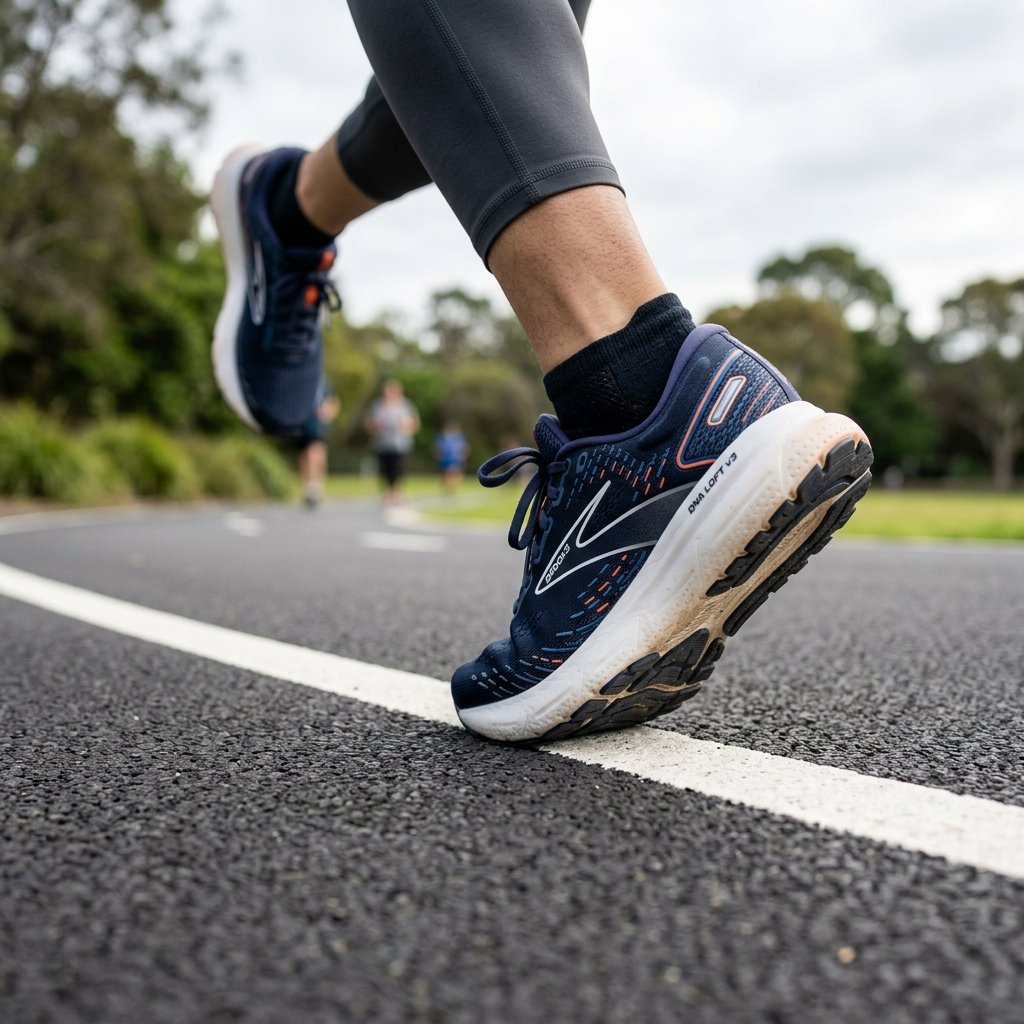
Reducing Morning Stiffness Step-by-Step
While flexibility refers to muscle length, mobility is the ability of joints to move through their full range of motion. Mobility exercises for seniors are essential to prevent joint stiffness and maintain balance. Practice gentle daily drills like shoulder rolls, ankle circles, and seated torso twists to stimulate synovial fluid, which lubricates joints and eases morning stiffness.
Building this habit relies on understanding how your body adapts to these changes. For instance, when establishing new patterns, the body adapts best to minor, consistent changes. This method minimizes stress responses and supports cellular recovery. Studies published by major research institutions, such as the National Institutes of Health (NIH), confirm that consistency is the primary factor in cognitive and cardiorespiratory improvement. Make sure you adjust these steps to fit your personal fitness levels and consult your primary care doctor before introducing changes to your routine.
For example, when establishing new eating habits, start by changing one meal at a time, such as focusing on a high-protein breakfast. This helps build confidence and momentum without overwhelming your daily routine. Practice mindful eating by chewing slowly and turning off screens during meals to connect with your body’s natural hunger cues. This simple habit supports digestion and prevents overeating naturally, making it easier to maintain a healthy lifestyle.
3. Nutrition for Active Longevity
Anti-Inflammatory Foods and Senior Dietary Needs
Your nutritional needs change as you age. Calorie requirements decrease due to muscle loss, but your need for micronutrients remains high. Focus on protein to prevent muscle wasting, and ensure adequate intake of Calcium and Vitamin D for bone health. Following nutrition guides like the Mediterranean diet—rich in fish, vegetables, and healthy oils—helps lower systemic inflammation and supports heart and brain health.
Building this habit relies on understanding how your body adapts to these changes. For instance, when establishing new patterns, the body adapts best to minor, consistent changes. This method minimizes stress responses and supports cellular recovery. Studies published by major research institutions, such as the National Institutes of Health (NIH), confirm that consistency is the primary factor in cognitive and cardiorespiratory improvement. Make sure you adjust these steps to fit your personal fitness levels and consult your primary care doctor before introducing changes to your routine.
For example, when establishing new eating habits, start by changing one meal at a time, such as focusing on a high-protein breakfast. This helps build confidence and momentum without overwhelming your daily routine. Practice mindful eating by chewing slowly and turning off screens during meals to connect with your body’s natural hunger cues. This simple habit supports digestion and prevents overeating naturally, making it easier to maintain a healthy lifestyle.
4. Brain Health and Cognitive Reserve
Supporting Neurogenesis and Memory Function
The adult brain remains capable of generating new cells (neurogenesis) throughout life. Challenge your brain by learning new motor skills, playing instruments, or solving puzzles to build cognitive reserve. Quality sleep is also vital; during deep sleep, the glymphatic system clears metabolic waste, including beta-amyloid plaques, supporting long-term memory.
Building this habit relies on understanding how your body adapts to these changes. For instance, when establishing new patterns, the body adapts best to minor, consistent changes. This method minimizes stress responses and supports cellular recovery. Studies published by major research institutions, such as the National Institutes of Health (NIH), confirm that consistency is the primary factor in cognitive and cardiorespiratory improvement. Make sure you adjust these steps to fit your personal fitness levels and consult your primary care doctor before introducing changes to your routine.
For example, when establishing new eating habits, start by changing one meal at a time, such as focusing on a high-protein breakfast. This helps build confidence and momentum without overwhelming your daily routine. Practice mindful eating by chewing slowly and turning off screens during meals to connect with your body’s natural hunger cues. This simple habit supports digestion and prevents overeating naturally, making it easier to maintain a healthy lifestyle.
5. Social Connection and Community Support

Loneliness Reduction and Longevity Benefits
Maintaining active social connections is highly protective. Chronic loneliness elevates cortisol levels, whereas conversing with others and engaging in community activities helps manage stress and supports brain longevity. Focus on building consistent daily routines that keep both your body and mind active.
Building this habit relies on understanding how your body adapts to these changes. For instance, when establishing new patterns, the body adapts best to minor, consistent changes. This method minimizes stress responses and supports cellular recovery. Studies published by major research institutions, such as the National Institutes of Health (NIH), confirm that consistency is the primary factor in cognitive and cardiorespiratory improvement. Make sure you adjust these steps to fit your personal fitness levels and consult your primary care doctor before introducing changes to your routine.
For example, when establishing new eating habits, start by changing one meal at a time, such as focusing on a high-protein breakfast. This helps build confidence and momentum without overwhelming your daily routine. Practice mindful eating by chewing slowly and turning off screens during meals to connect with your body’s natural hunger cues. This simple habit supports digestion and prevents overeating naturally, making it easier to maintain a healthy lifestyle.
Senior Safety & Balance Assessment Protocol
Perform this simple diagnostic check and safety audit weekly to support spatial coordination, ankle flexibility, and fall prevention in your home environment.
| Area | Safety Check / Exercise | Weekly Target Goal | Action & Instructions |
|---|---|---|---|
| Balance Check | Single-Leg Stand Test | 30 seconds per leg | Stand near a sturdy wall for safety. Lift one foot and balance. Note any ankle wobble. |
| Coordination Check | Heel-to-Toe Walk Drill | 20 steps forward | Walk in a straight line, placing the heel of one foot directly touching the toe of the other. |
| Home Audit | Rug & Pathway Hazards Check | 100% hazard free | Inspect hallways and floors for loose throw rugs, clutter, or cords. Secure rugs with non-slip pads. |
| Bathroom Safety | Shower Grip and Light Audit | Complete verification | Ensure non-slip mats are installed inside the tub, and path nightlights are fully operational. |
Practicing these checks regularly raises spatial awareness and significantly lowers the statistical risk of fall-related bone injuries.
Clinical Research & Biological Context
To understand the physiological importance of these habits, it is useful to examine the clinical studies that support them. Research in the field of endocrinology has established that behavior changes are closely linked to biochemical pathways. For example, when studies examine dietary protein and fiber intake, researchers observe a direct modulation of blood glucose levels and circulating satiety hormones. This endocrine response prevents the rapid rise and fall of insulin, supporting insulin sensitivity and preventing systemic inflammatory responses that contribute to cardiovascular disease.
Similarly, in the area of exercise physiology, studies confirm that physical activity triggers muscular and neural adaptations. Resistance training stimulates muscle protein synthesis and osteoblast activity, which are necessary to preserve muscle tissue and stimulate bone density. Cardiorespiratory workouts improve stroke volume and oxygen extraction by active skeletal muscles. These changes support cardiovascular health and reduce metabolic risk factors. In neurological studies, consistent physical activity has been shown to stimulate the release of brain-derived neurotrophic factor (BDNF), a protein that supports cell health, memory, and cognitive reserve.
Furthermore, sleep medicine research has highlighted the critical role of sleep hygiene in systemic restoration. During deep sleep, the brain activates the glymphatic system to clear metabolic waste, such as beta-amyloid plaques. Restricting sleep disrupts this process and alters the balance of leptin and ghrelin, driving cravings for processed, high-calorie foods. Chronic stress also keeps cortisol levels elevated, which encourages the storage of visceral fat and suppresses immune function. Practicing daily stress management techniques helps regulate the autonomic nervous system, supporting recovery and overall wellness.
Frequently Asked Questions
Q1: What is sarcopenia?
The age-related loss of muscle mass, strength, and function, which can be minimized with resistance training.
Q2: How can seniors improve their balance?
By practicing standing on one leg, heel-to-toe walking, and exercises like Tai Chi or gentle yoga.
Q3: Which diet is best for longevity?
The Mediterranean diet is highly recommended because of its heart-healthy fats, high fiber, and anti-inflammatory properties.
Q4: Why is water intake important for seniors?
The sensation of thirst naturally declines with age, making older adults more susceptible to dehydration.
Q5: What is cognitive reserve?
The brain’s resilience—its capacity to improvise and find alternate ways of getting things done when facing age-related changes.
🩺 Medical Disclaimer
The wellness information, guides, and suggestions provided in this article are for educational and motivational purposes only. This content is not a substitute for professional medical advice, diagnosis, treatment, or therapy. Always consult with a qualified healthcare professional or physician before starting any new diet, fitness program, or wellness plan.
References & Sources
- National Institute on Aging (NIA) – Active Longevity Guidelines
- World Health Organization (WHO) – Integrated Care for Older People
- Harvard T.H. Chan School of Public Health – Healthy Aging Guides
Conclusion
In summary, achieving long-term wellness is a journey built on small, daily choices. Whether you are focusing on nutrition, starting a beginner exercise routine, or working on stress control, consistency is key. We hold all our health content to the site’s rigorous Editorial Standards. Use these science-backed strategies to guide your journey, listen to your body, and consult a qualified healthcare provider for personalized medical advice.

About the Author: Kayra Reven
Kayra Reven is a dedicated Health & Wellness Writer at HealthWellness4US. Driven by a philosophy of evidence-based education and compassionate guidance, her writing approach focuses on translating complex clinical research into practical daily habits. She holds all content to the site’s rigorous Editorial Standards.
📚 Related Healthy Aging & Active Living Guides:
- Mobility Exercises to Stay Flexible as You Age – Simple daily stretches for joint comfort.
- 10 Science-Backed Benefits of Daily Walking – Low-impact cardiovascular health for seniors.
- Strength Training for Beginners – Preserve lean muscle and combat sarcopenia.
Senior Vitality & Mobility Guides