
Last Updated: August 9, 2026 | Reviewed by: HealthWellness4Us Editorial Team
📁 Category: Women’s Health Authority Hub
HealthWellness4Us creates evidence-informed wellness content focused on healthy aging, nutrition, fitness, and women’s health. Our articles prioritize accuracy, clarity, and responsible health education.
When most women think of menopause, classic symptoms like hot flashes and missed periods immediately spring to mind. However, the transition period leading up to menopause—known as perimenopause—often begins years earlier in a woman’s 40s (and sometimes late 30s), bringing subtle physical, emotional, and pelvic shifts that are frequently overlooked.
Many women quietly ask themselves: “Why am I suddenly waking up at 3 AM with a racing heart?” or “Why do I feel so exhausted, irritable, or notice mild bladder urgency when I haven’t changed my routine?” Because perimenopause hormones fluctuate unpredictably rather than dropping smoothly, these symptoms are often chalked up to “work stress,” “getting older,” or “busy family schedules.” Building on our foundational educational guides—including Women’s Health After 40, Bladder Health After 40, Pelvic Floor Health, and Menopause Bladder Urgency—this comprehensive guide explores the most commonly ignored perimenopause symptoms, the underlying hormonal science, and practical daily lifestyle habits for vibrant midlife health.
📌 Quick Navigation: Table of Contents
- 1. What Is Perimenopause? (Timeline & Biological Definition)
- 2. 5 Commonly Ignored Perimenopause Symptoms
- 3. The Estrogen & Progesterone Rollercoaster in Your 40s
- 4. Early Pelvic Floor & Bladder Urgency Shifts
- 5. Daily Perimenopause Lifestyle Support Habits
- 6. Midlife Nutrition, Protein & Phytoestrogen Support
- 7. Empowered Questions to Ask Your Doctor
- 8. Frequently Asked Questions
⚕️ Educational & Medical Disclaimer
This guide provides general educational information regarding perimenopause symptoms and lifestyle support. It does not replace medical evaluation, diagnosis, or treatment. If you experience severe pelvic pain, heavy irregular bleeding, or sudden health changes, consult a qualified healthcare professional.
📋 Table of Contents
(Tap to expand)
- What Is Perimenopause? (Timeline & Biological Definition)
- 5 Commonly Ignored Perimenopause Symptoms
- The Estrogen & Progesterone Rollercoaster in Your 40s
- Early Pelvic Floor & Bladder Urgency Shifts
- Daily Perimenopause Lifestyle Support Habits
- Midlife Nutrition, Protein & Phytoestrogen Support
- Empowered Questions to Ask Your Doctor
- Frequently Asked Questions About Perimenopause
- Scientific References & Authoritative Sources
What Is Perimenopause? (Timeline & Biological Definition)
Perimenopause refers to the natural transition phase leading up to menopause, during which the ovaries gradually decrease egg production and hormone levels fluctuate unpredictable. While menopause is defined as a single point in time (12 consecutive months without a menstrual period), perimenopause is a multi-year journey typically lasting between 4 to 8 years.
During perimenopause, estrogen levels do not decline in a straight line; instead, they spike and dip erratically, while progesterone levels steadily decrease. This hormone rollercoaster is why women often experience physical and emotional shifts while still having regular monthly periods.
5 Commonly Ignored Perimenopause Symptoms
While hot flashes receive most of the attention, these five subtle symptoms are frequently ignored or misattributed:
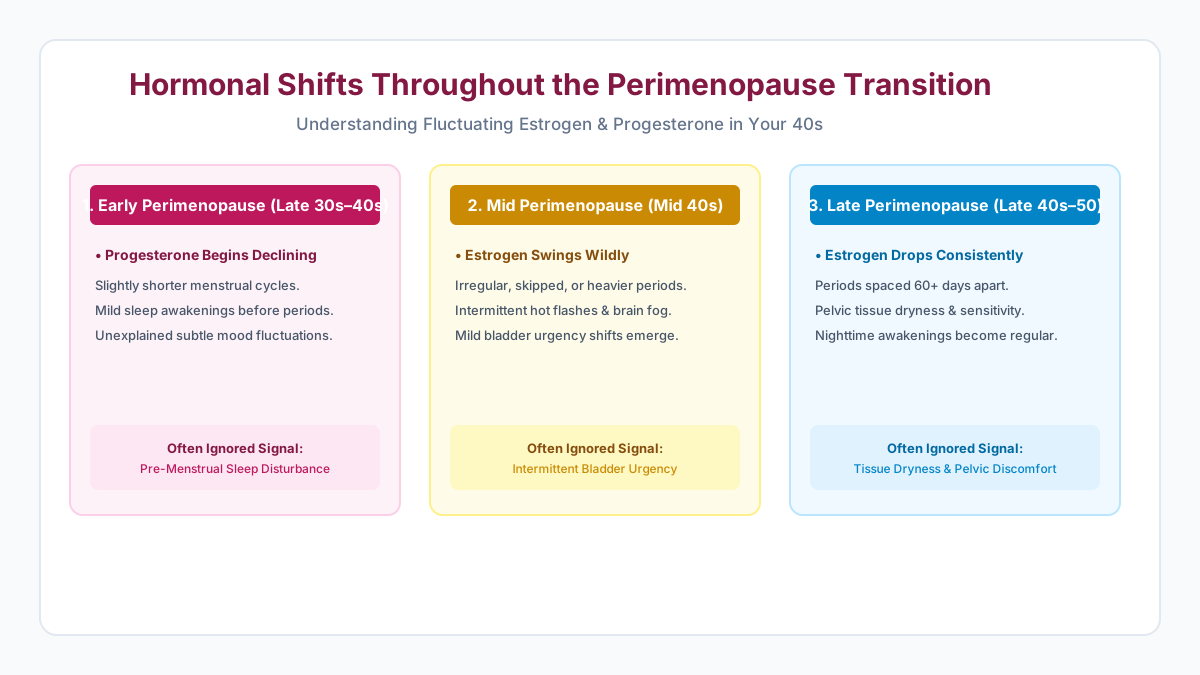
Figure 1: Hormonal Shifts Throughout the Perimenopause Transition
1. Pre-Bedtime Sleep Awakenings (3 AM Wakeups)
Progesterone is your body’s natural calming hormone that promotes deep slow-wave sleep. As progesterone declines early in perimenopause, many women begin waking up at 2 or 3 AM with a racing mind, mild night sweats, or a sudden urge to urinate, as detailed in our guide on Nighttime Urination After 50.
2. Unexpected Mood Fluctuations & Brain Fog
Estrogen directly influences serotonin and dopamine neurotransmitters in the brain. Spikes and dips in estrogen can cause sudden bouts of irritability, anxiety, or temporary memory blips (forgetting familiar names or words), which are often mistakenly blamed on work fatigue.
3. Intermittent Bladder Urgency & Sensitivity
As estrogen receptors in the urethral and bladder mucosal lining experience hormonal dips, women may notice sudden bladder urgency triggers during exercise or when arriving home, as discussed in our guide on Natural Bladder Support.
4. Joint Stiffness & Morning Aches
Estrogen acts as a natural anti-inflammatory agent in joint cartilage and connective tissues. Declining estrogen levels can cause morning stiffness in fingers, knees, or shoulders, which women often mistake for early arthritis.
5. Unexplained Weight Shifts Around the Midsection
As estrogen drops, body fat distribution naturally shifts toward the abdomen (visceral fat). Even when eating habits remain unchanged, women may notice changes in body composition due to altered insulin sensitivity.
The Estrogen & Progesterone Rollercoaster in Your 40s
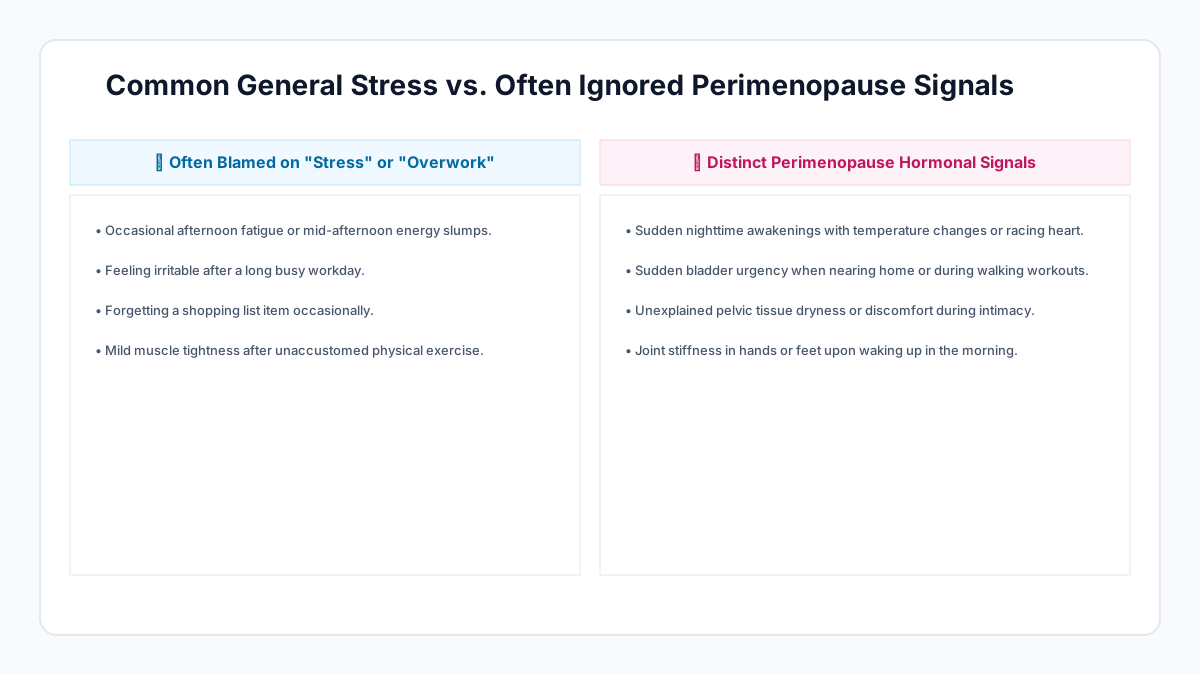
Figure 2: Common General Stress vs. Often Ignored Perimenopause Signals
Early Pelvic Floor & Bladder Urgency Shifts
Pelvic floor health is deeply connected to estrogen status. Estrogen supports collagen synthesis within pelvic ligaments and maintains blood flow in the urethral sphincter cushion. Early perimenopausal hormonal fluctuations can reduce pelvic support pressure, leading to subtle leaks when sneezing or laughing hard.
Incorporating daily pelvic muscle lifts (Kegels) and practicing “The Knack”—pre-contracting pelvic muscles before coughing or lifting—helps maintain pelvic organ alignment throughout perimenopause, as detailed in our Pelvic Floor Health Guide.
Daily Perimenopause Lifestyle Support Habits
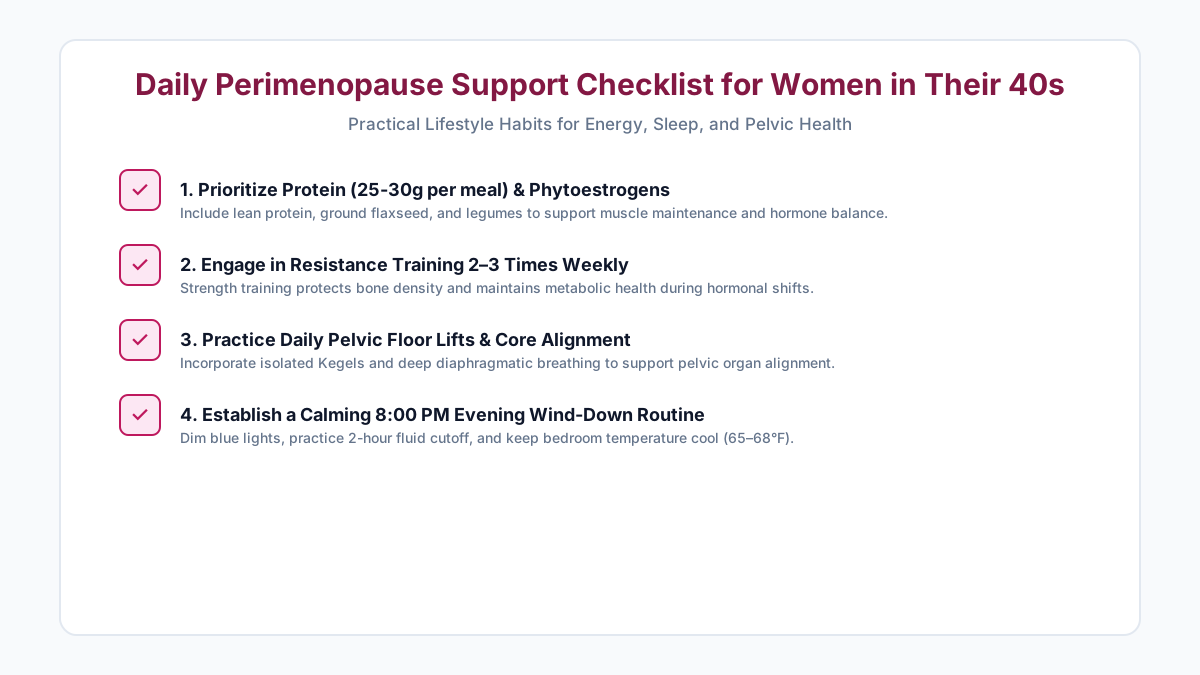
Figure 3: Daily Perimenopause Support Checklist for Women in Their 40s
Midlife Nutrition, Protein & Phytoestrogen Support
Nutrition plays a central role in stabilizing energy levels and supporting pelvic health during perimenopause:
- Prioritize Lean Protein (25-30g per meal): Adequate protein helps offset age-related muscle loss (sarcopenia) and supports pelvic floor tissue repair.
- Incorporate Dietary Phytoestrogens: Whole foods rich in plant phytoestrogens (ground flaxseed, edamame, lentils, sesame seeds) gently interact with estrogen receptors to support tissue comfort.
- Increase Soluble Fiber (25g+ daily): Soluble fiber (oats, pears, chia seeds) aids estrogen metabolism in the gut and prevents constipation pressure on the bladder wall, as outlined in our Anti-Inflammatory Diet Guide.
- Explore Botanical Research: As explored in our deep-dive on Pumpkin Seed Extract Research, clinical trials evaluate standardized botanical extracts (like water-soluble pumpkin seed extract) for female urinary frequency and pelvic muscle support over 6 to 12 weeks of daily consistent use.
Empowered Questions to Ask Your Doctor
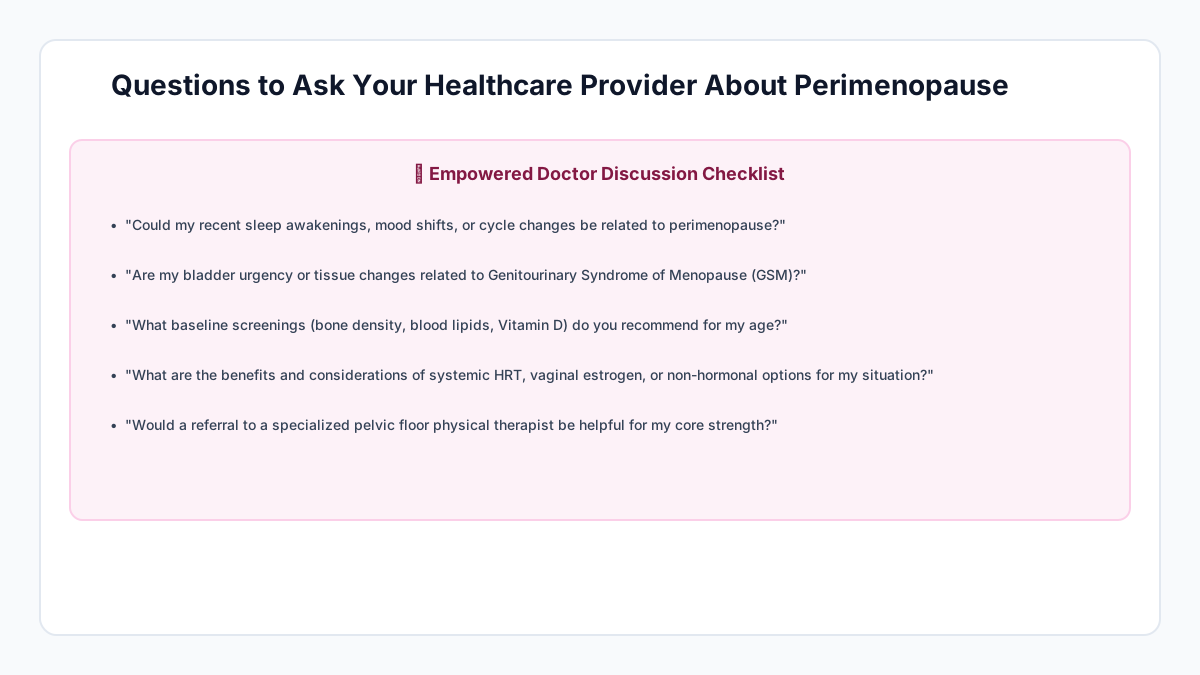
Figure 4: Questions to Ask Your Healthcare Provider About Perimenopause
Frequently Asked Questions About Perimenopause
At what age does perimenopause usually start?
Perimenopause typically begins in a woman’s 40s (most commonly between ages 40 and 47), though some women notice subtle hormonal shifts in their late 30s. It usually lasts between 4 and 8 years.
Can you have perimenopause symptoms while still having regular periods?
Yes. Progesterone levels often drop first while estrogen levels fluctuate erratically, causing sleep awakenings, mood shifts, and subtle bladder changes even while monthly periods remain regular.
How do I know if my fatigue is from perimenopause or thyroid issues?
Perimenopause fatigue is often accompanied by nighttime sleep awakenings, temperature sensitivity, or subtle menstrual cycle shifts. However, because thyroid conditions share similar symptoms, a physician should perform blood tests (TSH, free T3/T4) to evaluate both.
Can perimenopause cause bladder urgency?
Yes. Fluctuating estrogen levels can thin the mucosal lining of the urethra and bladder neck, causing heightened urinary sensitivity and sudden urgency triggers.
📚 Related Women’s Health Authority Guides:
- Women’s Health After 40: Complete Guide to Hormones, Strength & Healthy Aging – Pillar 1 Guide.
- Bladder Health After 40: Causes, Changes & Practical Support Options – Pillar 2 Guide.
- Pelvic Floor Health Guide for Women: Exercises, Strength & Daily Habits – Pillar 3 Guide.
- Natural Bladder Support for Women Over 40: Habits, Foods & Lifestyle Approaches – Article 4 Guide.
- Pumpkin Seed Extract for Bladder Health: Research, Uses & What Women Should Know – Article 5 Guide.
- Why Bladder Urgency Can Increase During Menopause – Cluster 2 Article 1 Guide.
- Nighttime Urination After 50: Causes & Sleep Habits – Cluster 2 Article 2 Guide.
- Women’s Health Authority Hub – Explore our full Women’s Health cluster.
🩺 Medical Disclaimer
The wellness information, guides, and suggestions provided in this article are for educational and motivational purposes only. This content is not a substitute for professional medical advice, diagnosis, treatment, or therapy. Always consult with a qualified healthcare professional or physician before starting any new diet, fitness program, or wellness plan.
Scientific References & Authoritative Sources
The following credible women’s health organizations provide evidence-informed clinical guidelines regarding perimenopause:
- The North American Menopause Society (NAMS): Perimenopause Clinical Guidelines & Symptom Management. Available at: menopause.org
- American College of Obstetricians and Gynecologists (ACOG): Perimenopausal Hormonal Changes & Health Screening. Available at: acog.org
- Harvard Health Publishing (Harvard Medical School): Recognizing Early Signs of Perimenopause. Available at: health.harvard.edu