
⚡ Quick Answer: Waking to urinate multiple times at night (nocturia) after 50 is commonly linked to age-related bladder lining changes, reduced nocturnal anti-diuretic hormone (ADH) secretion, or fluid retention. Simple lifestyle management steps include limiting fluids 2–3 hours before sleep, elevating legs in the evening, and avoiding bladder irritants like caffeine.
Last Updated: August 9, 2026 | Reviewed by: HealthWellness4Us Editorial Team
📁 Category: Women’s Health Authority Hub
HealthWellness4Us creates evidence-informed wellness content focused on healthy aging, nutrition, fitness, and women’s health. Our articles prioritize accuracy, clarity, and responsible health education.
You wake up to the quiet hum of the bedroom clock reading 2:45 AM. For the second or third time that night, you swing your legs over the side of the bed, feeling the frustration of interrupted rest. As women move through their 50s and 60s, one of the most common—and privately searched—questions online is: “Why am I suddenly waking up multiple times every night to pee?”
Waking up at night to urinate (known clinically as nocturia) is far more than a minor annoyance. Interrupted sleep cycles can leave women feeling exhausted during daytime activities, impacting mood, concentration, and energy levels. Many women quietly wonder if this shift is a normal part of aging or something worth discussing with a healthcare professional. Building on our educational guides—including Women’s Health After 40, Bladder Health After 40, Natural Bladder Support, and Menopause Bladder Urgency—this comprehensive guide explores the biological causes of nocturia in women over 50, practical evening sleep habits, and how to evaluate when professional medical guidance is appropriate.
📌 Quick Navigation: Table of Contents
- 1. What Is Nocturia? (Definition & Normal Expectations)
- 2. 3 Biological Drivers of Nighttime Urination After 50
- 3. The Estrogen, Melatonin & Sleep Architecture Connection
- 4. 4-Step Evening Protocol for Better Sleep & Fewer Night Trips
- 5. Evening Dietary Triggers & Leg Elevation Routines
- 6. Evaluating Botanical Research for Nighttime Comfort
- 7. Decision Guide: When to Seek Professional Medical Care
- 8. Frequently Asked Questions
⚕️ Educational & Medical Disclaimer
This guide provides general educational information regarding sleep hygiene, fluid pacing, and age-related urinary shifts. It does not replace medical evaluation, diagnosis, or treatment. If you experience severe pain, burning during urination, visible blood, or sudden onset incontinence, consult a qualified healthcare professional.
📋 Table of Contents
(Tap to expand)
- What Is Nocturia? (Definition & Normal Expectations)
- 3 Biological Drivers of Nighttime Urination After 50
- The Estrogen, Melatonin & Sleep Architecture Connection
- 4-Step Evening Protocol for Better Sleep & Fewer Night Trips
- Evening Dietary Triggers & Leg Elevation Routines
- Evaluating Botanical Research for Nighttime Comfort
- Decision Guide: When to Seek Professional Medical Care
- Frequently Asked Questions About Nighttime Urination After 50
- Scientific References & Authoritative Sources
What Is Nocturia? (Definition & Normal Expectations)
Nocturia is defined medically as the need to wake up one or more times during the main sleep period to urinate, with each void preceded and followed by sleep. While waking up once per night is relatively common as adults age, waking up 2, 3, or more times consistently can disrupt deep slow-wave sleep and REM cycles.
It is important to differentiate between waking up because your bladder feels full versus waking up due to hot flashes, light sleep, or insomnia and then deciding to visit the restroom simply because you are awake. Clarifying this distinction helps women identify whether fluid pacing or sleep hygiene is the primary focus.
3 Biological Drivers of Nighttime Urination After 50
Nighttime urination in postmenopausal women is driven by distinct biological mechanisms that evolve naturally with age:
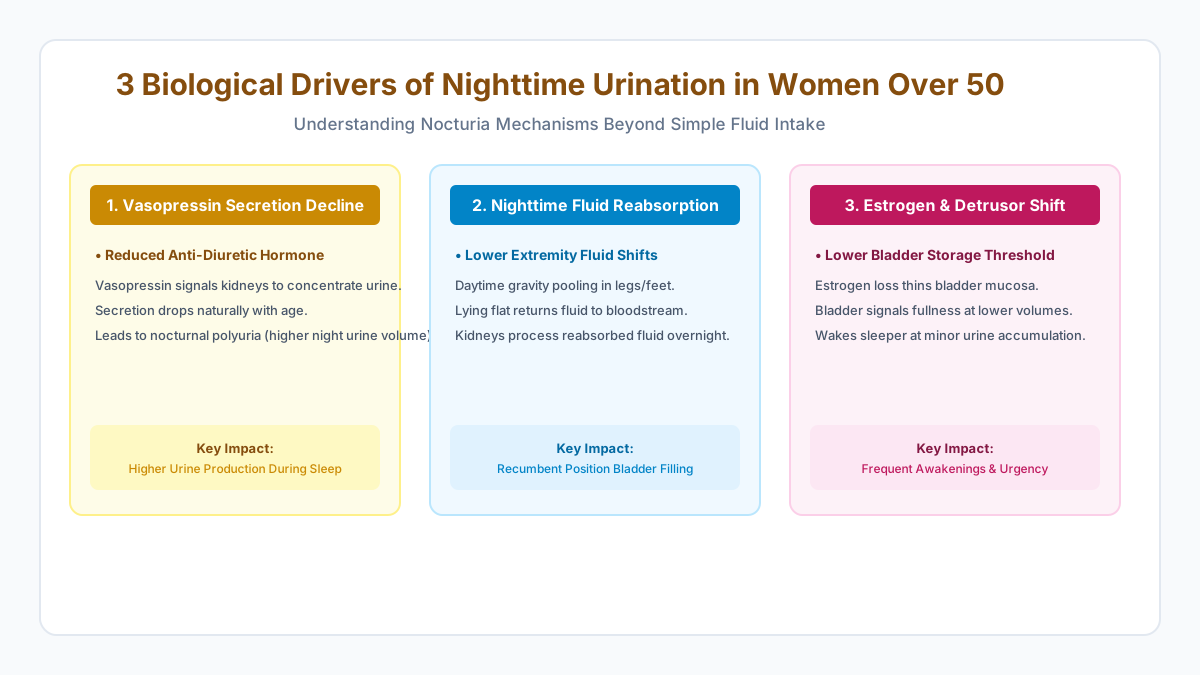
Figure 1: 3 Biological Drivers of Nighttime Urination in Women Over 50
1. Vasopressin Secretion Changes (Nocturnal Polyuria)
Vasopressin (also known as anti-diuretic hormone, or ADH) is a pituitary hormone that signals the kidneys to conserve water and concentrate urine overnight. In younger adults, vasopressin levels naturally surge during sleep, reducing urine production to roughly one-third of daytime volume. As women age, nocturnal vasopressin secretion can decrease, resulting in higher nighttime urine volume (nocturnal polyuria).
2. Lower Extremity Fluid Reabsorption
Throughout the day, gravity causes mild fluid accumulation in the lower legs, ankles, and feet—especially for women who spend extended hours standing or sitting. When you lie flat in bed at night, gravity no longer pulls fluid downward. Your circulatory system reabsorbs this fluid into the bloodstream, where the kidneys process it into urine over the first few hours of sleep.
3. Estrogen Loss & Lowered Bladder Storage Threshold
As detailed in our guide on Menopause Bladder Urgency, postmenopausal estrogen decline thins the bladder mucosa and reduces urethral vascular elasticity. This heightened sensitivity lowers the threshold at which the bladder sends stretch signals to the brain, waking you up at smaller urine volumes.
The Estrogen, Melatonin & Sleep Architecture Connection
Hormones do not act in isolation. Estrogen plays an intricate role in regulating body temperature and supporting melatonin production. During perimenopause and menopause, nighttime hot flashes or night sweats can cause micro-awakenings. Once awake, a woman becomes conscious of mild bladder filling that might otherwise have gone unnoticed during continuous deep sleep.
Addressing both sleep hygiene and evening fluid pacing creates a supportive synergy for overnight rest, as discussed in our Science-Backed Sleep Hygiene Guide.
4-Step Evening Protocol for Better Sleep & Fewer Night Trips
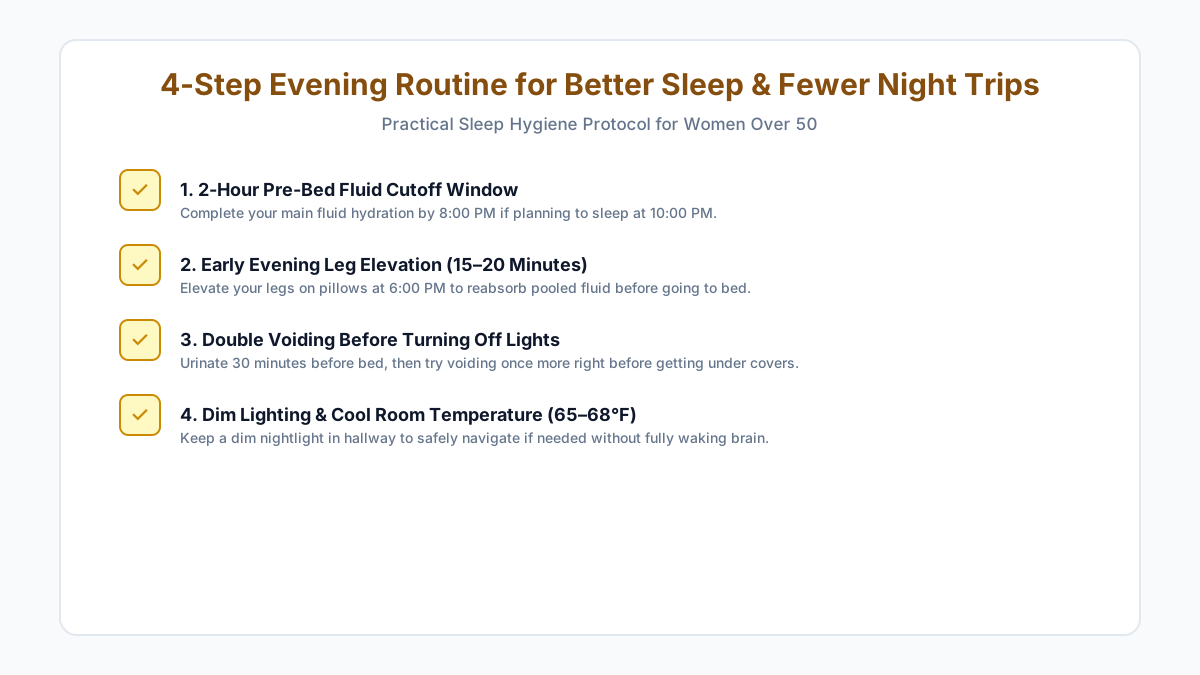
Figure 2: 4-Step Evening Routine for Better Sleep & Fewer Night Trips
📋 Practical Evening Protocol
- Establish a 2-Hour Pre-Bed Fluid Cutoff: Complete main fluid intake 2 hours before turning off lights (e.g., stop drinking fluids at 8:00 PM if bedtime is 10:00 PM).
- Practice Early Evening Leg Elevation (15–20 Mins): Elevate your legs on pillows around 5:30 PM or 6:00 PM to encourage fluid reabsorption before going to bed.
- Perform “Double Voiding” Before Sleep: Urinate 30 minutes before bed, and then try voiding once more right before climbing into bed.
- Maintain Dim Hallway Lighting & Cool Room Temperature: Keep a warm, low-wattage nightlight in the hallway to navigate safely without triggering full brain alertness.
Evening Dietary Triggers & Leg Elevation Routines
What you consume during dinner and late evening directly affects nighttime bladder comfort. Moderating evening irritants can significantly improve sleep continuity:
- Evening Caffeine & Alcohol: Caffeine (found in dark chocolate, black tea, and decaf coffee) and evening wine or spirits act as natural diuretics, accelerating bladder filling overnight.
- High-Sodium Dinners: Salty late-night snacks encourage fluid retention in tissues, increasing nighttime kidney filtration when lying flat.
- High Soluble Fiber Foods: As highlighted in our Anti-Inflammatory Diet Guide, eating soluble fiber (oats, pears, ground flaxseed) prevents constipation pressure on the bladder wall.
Evaluating Botanical Research for Nighttime Comfort
Many women explore evidence-informed plant extracts to support nighttime bladder capacity. As detailed in our research analysis on Pumpkin Seed Extract Research, clinical studies suggest that standardized water-soluble pumpkin seed extract (rich in delta-7-sterols) may help support pelvic sphincter muscle tone and nighttime comfort over 6 to 12 weeks of daily consistent use alongside healthy sleep habits.
Decision Guide: When to Seek Professional Medical Care
While evening fluid pacing and leg elevation support general wellness, certain symptoms require formal medical evaluation by a physician or urologist:
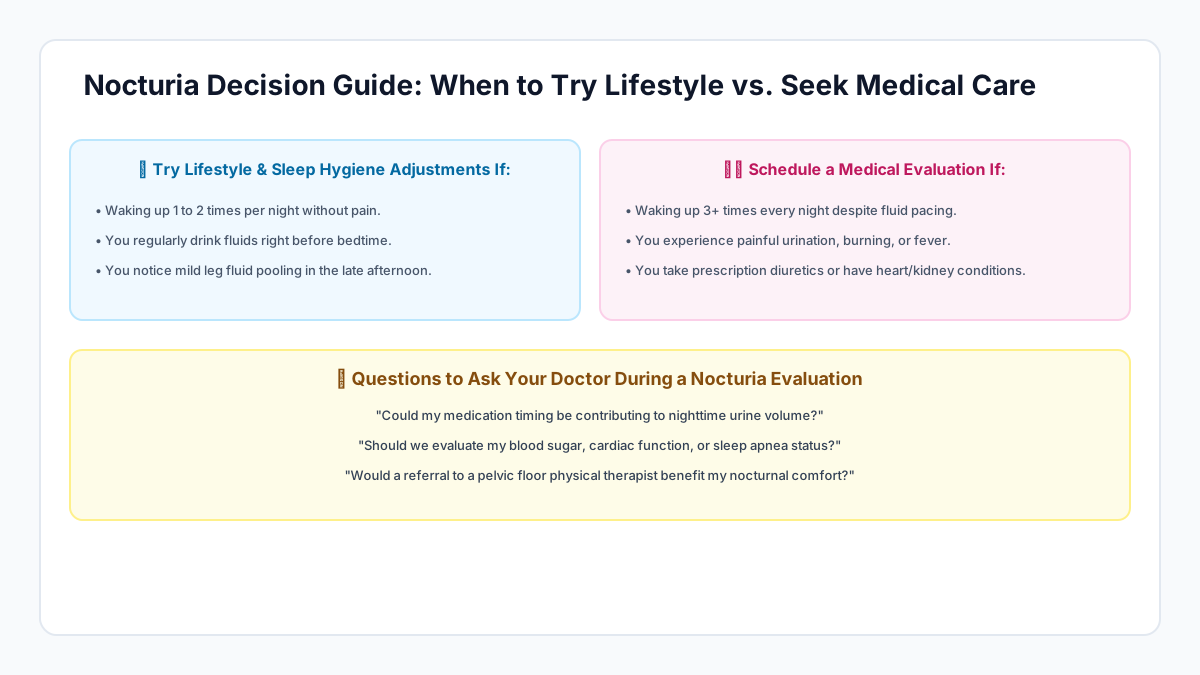
Figure 3: Nocturia Decision Guide: When to Try Lifestyle vs. Seek Medical Care
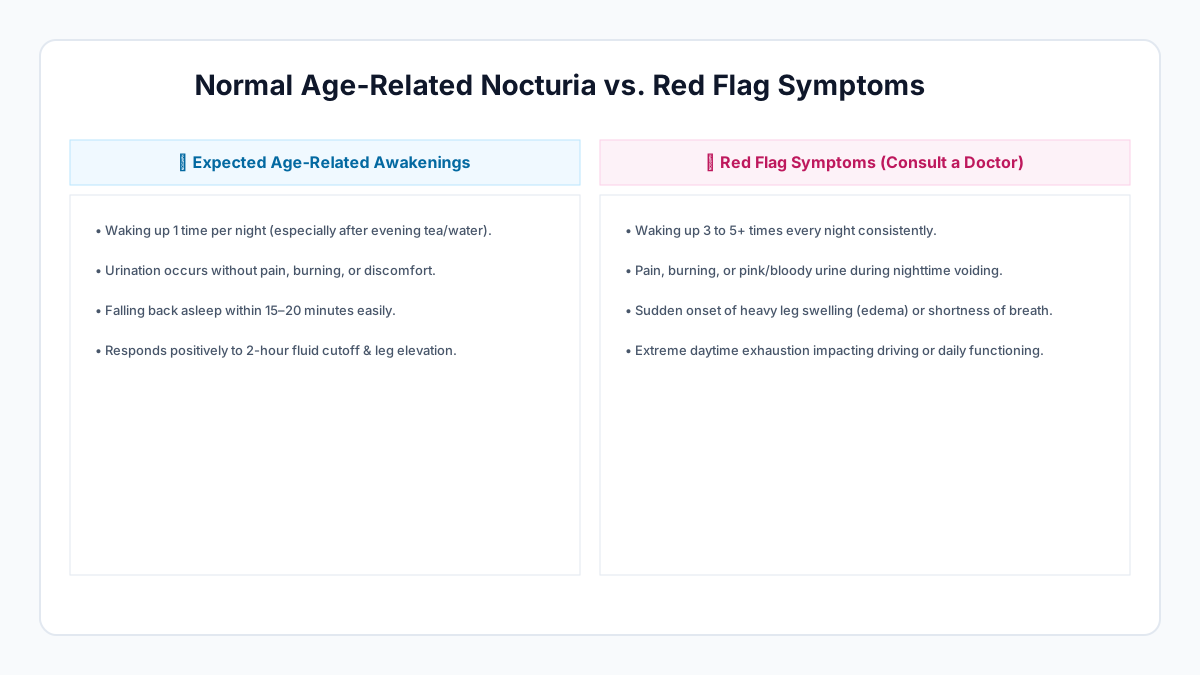
Figure 4: Normal Age-Related Nocturia vs. Red Flag Symptoms
Frequently Asked Questions About Nighttime Urination After 50
Why am I suddenly waking up 3 times every night to pee?
Nighttime urination in women over 50 is commonly driven by age-related decreases in nocturnal vasopressin secretion, lower extremity fluid reabsorption when lying flat, and postmenopausal estrogen decline affecting bladder tissue elasticity.
Is waking up once a night to urinate normal after 50?
Waking up once per night to urinate is very common as adults age, especially if evening fluids or teas are consumed within 2 hours of sleep. If you fall back asleep easily and void without pain, it is generally considered a normal age-related variation.
Can elevating your legs before bed reduce nighttime urination?
Yes. Elevating your legs on pillows for 15 to 20 minutes in the early evening encourages your body to reabsorb pooled fluid from the lower legs into the bloodstream while you are still awake, allowing your kidneys to process it before bedtime.
Should I stop drinking water completely after 6 PM?
No. Stopping water completely can lead to dehydration, concentrating your urine and irritating the bladder wall lining. Instead, maintain steady fluid pacing during daytime hours and establish a modest 2-hour fluid cutoff window before sleep.
📚 Related Women’s Health Authority Guides:
- Women’s Health After 40: Complete Guide to Hormones, Strength & Healthy Aging – Pillar 1 Guide.
- Bladder Health After 40: Causes, Changes & Practical Support Options – Pillar 2 Guide.
- Pelvic Floor Health Guide for Women: Exercises, Strength & Daily Habits – Pillar 3 Guide.
- Natural Bladder Support for Women Over 40: Habits, Foods & Lifestyle Approaches – Article 4 Guide.
- Pumpkin Seed Extract for Bladder Health: Research, Uses & What Women Should Know – Article 5 Guide.
- Why Bladder Urgency Can Increase During Menopause – Cluster 2 Article 1 Guide.
- Women’s Health Authority Hub – Explore our full Women’s Health cluster.
🩺 Medical Disclaimer
The wellness information, guides, and suggestions provided in this article are for educational and motivational purposes only. This content is not a substitute for professional medical advice, diagnosis, treatment, or therapy. Always consult with a qualified healthcare professional or physician before starting any new diet, fitness program, or wellness plan.
Scientific References & Authoritative Sources
The following credible health organizations provide evidence-informed guidelines regarding nocturia and sleep hygiene in older adults:
- National Institute on Aging (NIA): Sleep & Aging: Understanding Nighttime Awakenings in Older Adults. Available at: nia.nih.gov
- The North American Menopause Society (NAMS): Vasopressin Shifts & Genitourinary Symptoms in Menopause. Available at: menopause.org
- Harvard Health Publishing (Harvard Medical School): Nocturia Causes & Evening Fluid Pacing Strategies. Available at: health.harvard.edu
💡 Related Sleep Tool: Optimize your bedtime schedule with our free Sleep Calculator and learn more in our Sleep Hygiene Guide.