
Last Updated: August 9, 2026 | Reviewed by: HealthWellness4Us Editorial Team
📁 Category: Women’s Health Authority Hub
HealthWellness4Us creates evidence-informed wellness content focused on healthy aging, nutrition, fitness, and women’s health. Our articles prioritize accuracy, clarity, and responsible health education.
For many women entering perimenopause or postmenopause, subtle changes in urinary habits can come as a surprise. You might notice a sudden, compelling need to reach the restroom immediately, or find yourself making extra bathroom stops before leaving the house for errands. If you have noticed these shifts, take comfort in knowing that changes in bladder urgency during midlife are exceptionally common—and deeply tied to normal hormonal shifts.
Despite how frequent these changes are, many women feel hesitant to discuss them, assuming bladder shifts are an inevitable inconvenience of aging. In reality, understanding the biological connection between estrogen levels, pelvic muscle elasticity, and urinary tract tissues empowers women to take proactive, evidence-informed steps. Building upon our foundational guides—such as Women’s Health After 40, Bladder Health After 40, and Natural Bladder Support—this comprehensive guide explains why bladder urgency increases during menopause, how hormones influence pelvic tissues, and what daily support strategies help women maintain confidence.
📌 Quick Navigation: Table of Contents
- 1. The Estrogen-Bladder Connection
- 2. How Hormonal Decline Affects Pelvic Tissues
- 3. Perimenopause vs. Postmenopause Urgency Patterns
- 4. Daily Lifestyle Habits That Support Bladder Comfort
- 5. Pelvic Floor Retraining & Movement Integration
- 6. Exploring Botanical Research & Nutrient Co-factors
- 7. Medical Precautions & When to Consult a Doctor
- 8. Frequently Asked Questions
⚕️ Educational & Medical Disclaimer
This guide provides general educational information regarding hormonal shifts and lifestyle support for bladder health. It does not replace medical evaluation, diagnosis, or treatment. If you experience severe pain, burning during urination, visible blood, or sudden onset incontinence, consult a qualified healthcare professional.
📋 Table of Contents
(Tap to expand)
- The Estrogen-Bladder Connection
- How Hormonal Decline Affects Pelvic Tissues
- Perimenopause vs. Postmenopause Urgency Patterns
- Daily Lifestyle Habits That Support Bladder Comfort
- Pelvic Floor Retraining & Movement Integration
- Exploring Botanical Research & Nutrient Co-factors
- Medical Precautions & When to Consult a Doctor
- Frequently Asked Questions About Menopause & Bladder Urgency
- Scientific References & Authoritative Sources
The Estrogen-Bladder Connection
Most people associate estrogen primarily with reproductive health and cycle regulation. However, estrogen receptors are densely concentrated throughout the female lower urinary tract—including the bladder mucosa, detrusor smooth muscle, urethral lining, and pelvic floor connective tissues.
Estrogen plays a vital role in maintaining the thickness, elasticity, and blood flow of these tissues. During reproductive years, healthy estrogen levels encourage a plump vascular cushion around the urethra, supporting a natural watertight seal. When estrogen fluctuates during perimenopause and declines postmenopause, these tissues undergo structural shifts known clinically as Genitourinary Syndrome of Menopause (GSM).
How Hormonal Decline Affects Pelvic Tissues
Research highlights three distinct biological shifts that occur when estrogen levels fall during midlife:
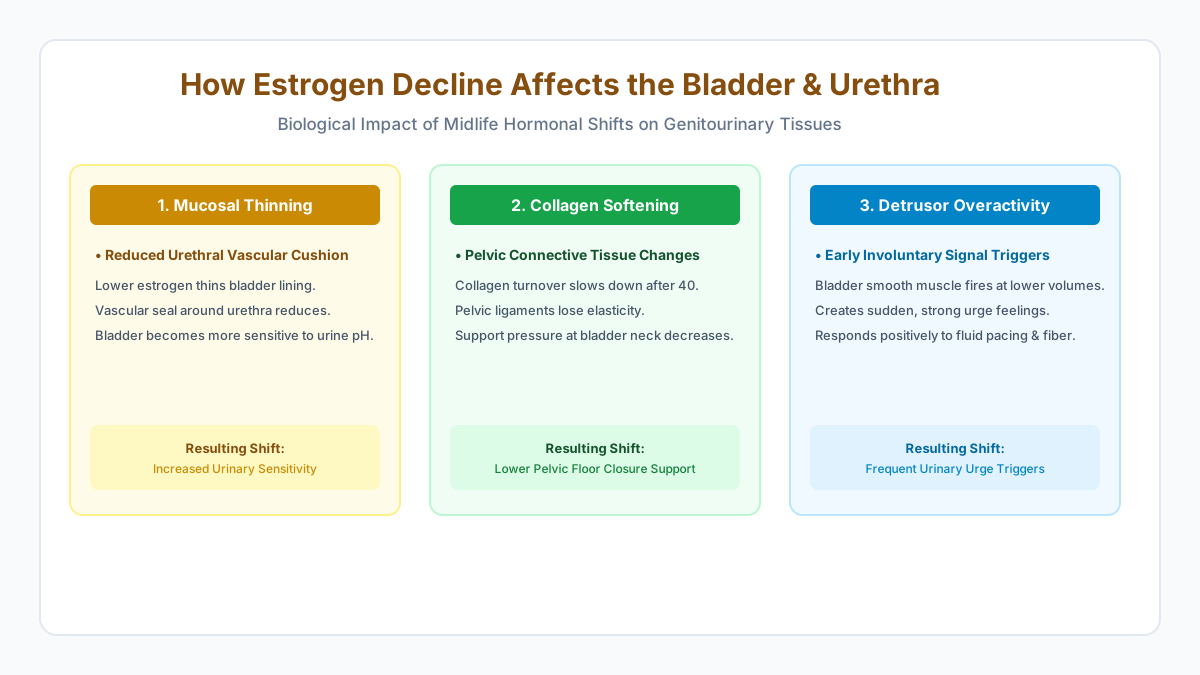
Figure 1: How Estrogen Decline Affects the Bladder & Urethra
1. Mucosal Thinning & Heightened Sensitivity
As estrogen drops, the mucosal layer lining the urethra and bladder wall becomes thinner and less resilient. Consequently, highly acidic or concentrated urine can trigger sensory nerve endings in the bladder wall more easily, resulting in sudden, unexpected urgency signals even when the bladder is only partially full.
2. Urethral Vascular Cushion Reduction
Estrogen maintains the rich capillary plexus surrounding the urethral sphincter. When blood flow and tissue volume in this vascular cushion diminish, urethral closure pressure decreases, making it harder for sphincter muscles to resist sudden increases in abdominal pressure (like coughing or sneezing).
3. Collagen Turnover & Pelvic Ligament Slackening
Estrogen supports collagen synthesis within pelvic floor ligaments and fascia. As collagen production slows postmenopause, pelvic support hammock tension decreases, allowing the bladder base to sit slightly lower in the pelvis.
Perimenopause vs. Postmenopause Urgency Patterns
The timeline of midlife urinary shifts varies depending on whether a woman is in perimenopause or postmenopause:
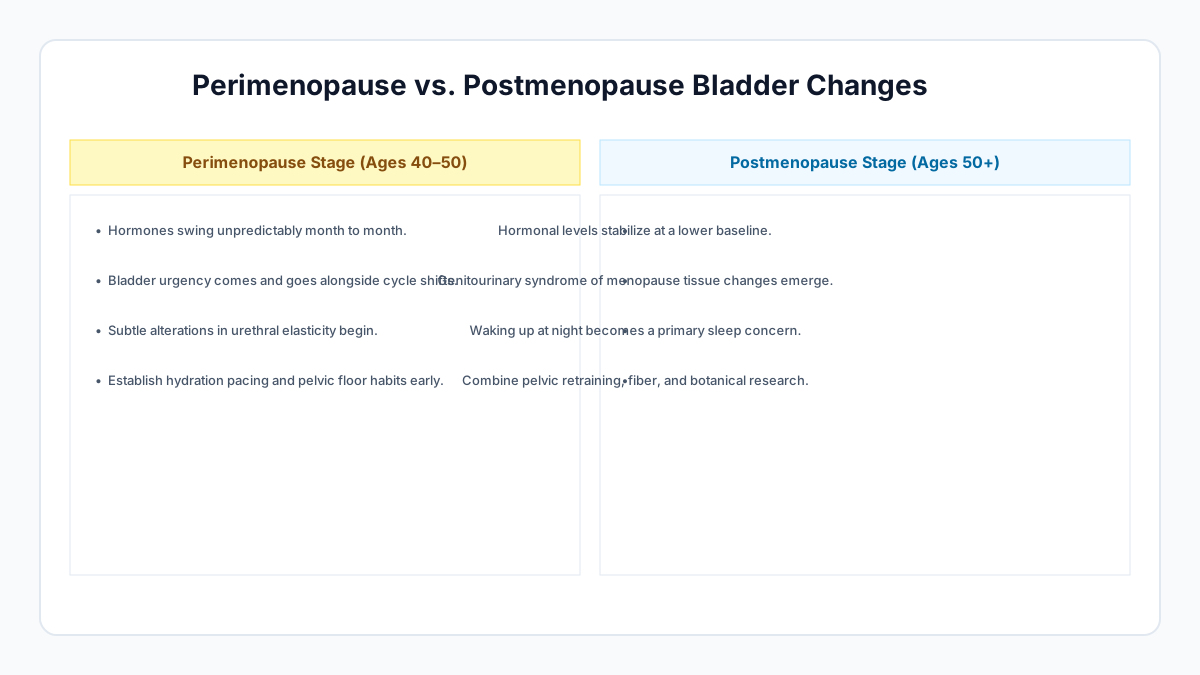
Figure 2: Perimenopause vs. Postmenopause Bladder Changes
Daily Lifestyle Habits That Support Bladder Comfort
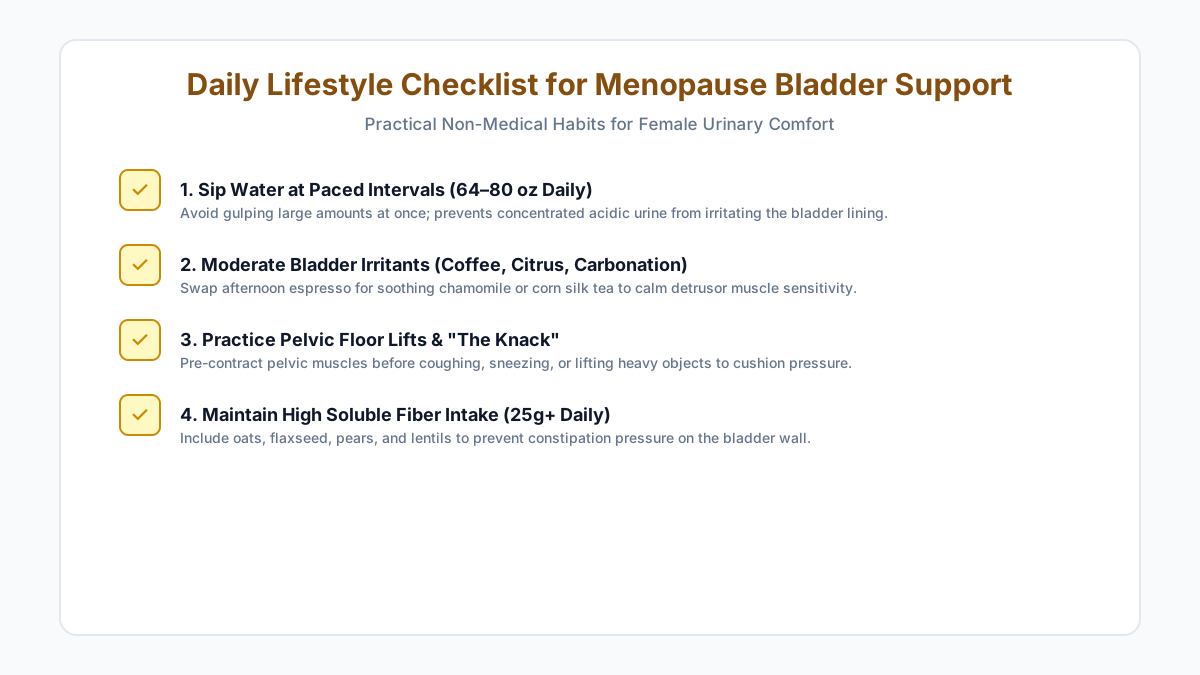
Figure 3: Daily Lifestyle Checklist for Menopause Bladder Support
1. Paced Fluid Intake (64–80 oz Daily)
Counterintuitively, restricting water intake worsens bladder urgency. Dehydrated, concentrated urine acts as a direct chemical irritant to delicate bladder linings. Sip plain water at regular intervals throughout the day to keep urine diluted and light yellow.
2. Identifying & Moderating Dietary Triggers
Certain foods and drinks can heighten bladder wall sensitivity. Common triggers include coffee, espresso, black teas, acidic citrus juices, concentrated tomato sauces, and artificial sweeteners. Consider swapping afternoon coffee for soothing chamomile or corn silk tea.
3. Optimizing Soluble Fiber Intake (25g+ Daily)
Constipation forces stored stool in the rectum to press directly against the back of the bladder wall, reducing bladder capacity and triggering involuntary urgency spasms. Eating 25g+ of soluble fiber daily (oats, flaxseed, pears, lentils), as outlined in our Anti-Inflammatory Diet Guide, supports smooth digestion and relieves pressure on pelvic organs.
Pelvic Floor Retraining & Movement Integration
In addition to hydration pacing, physical muscular support is vital. As detailed in our comprehensive Pelvic Floor Health Guide, engaging the pelvic hammock through controlled lifts (Kegels) reinforced with proper 5-second relaxation phases promotes sphincter closure pressure.
Practicing “The Knack”—pre-contracting pelvic muscles a split second before coughing, sneezing, or lifting heavy objects—helps cushion sudden abdominal pressure spikes during daily activities.
Exploring Botanical Research & Nutrient Co-factors
Many women exploring non-pharmaceutical options look into evidence-informed botanical ingredients. As explored in our deep-dive on Pumpkin Seed Extract Research, clinical trials suggest that standardized water-soluble pumpkin seed extract (rich in delta-7-sterols) and soy isoflavones may help support pelvic muscle tone and mucosal comfort over 6 to 12 weeks of daily consistent use.
Medical Precautions & When to Consult a Doctor
While lifestyle adjustments support general comfort, it is essential to distinguish between expected midlife shifts and symptoms that require medical diagnosis:
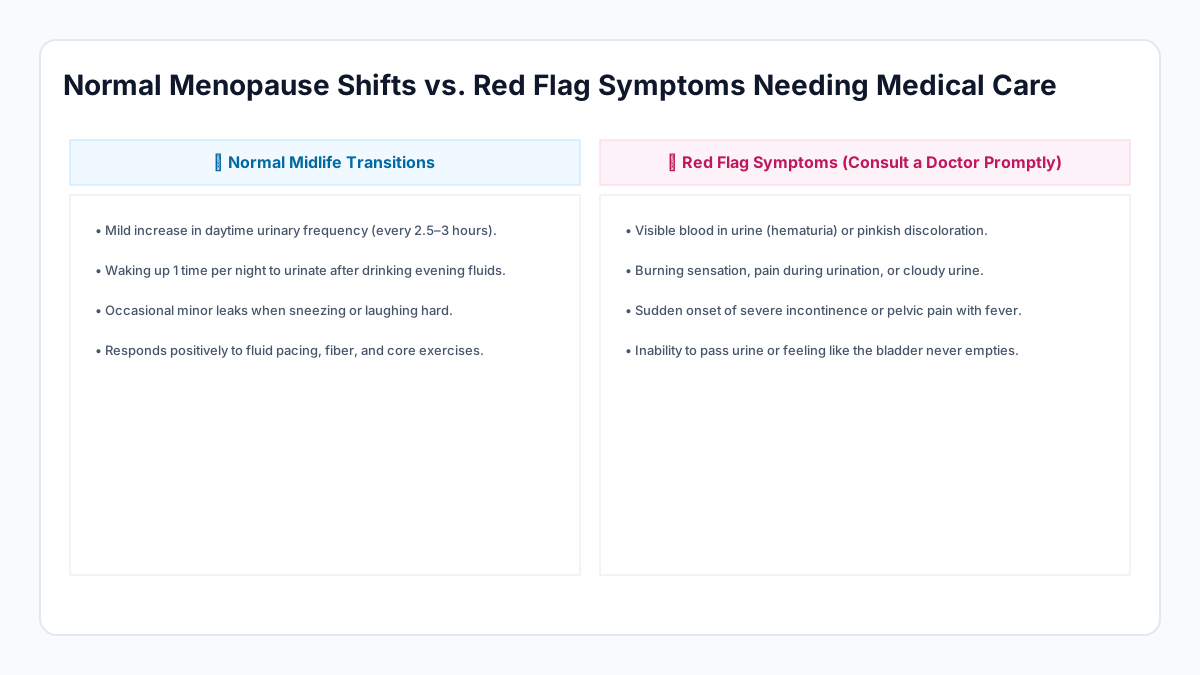
Figure 4: Normal Menopause Shifts vs. Red Flag Symptoms Needing Medical Care
Frequently Asked Questions About Menopause & Bladder Urgency
Does menopause cause bladder urgency?
Hormonal changes during perimenopause and postmenopause decrease estrogen levels, which can thin urethral and bladder mucosal linings and increase urinary urgency sensations in many women.
Is bladder urgency normal during perimenopause?
Bladder urgency is very common during perimenopause due to fluctuating estrogen levels. Establishing fluid pacing, high soluble fiber habits, and pelvic floor exercises early helps support long-term bladder comfort.
Can drinking less water reduce bladder urgency?
No. Drinking too little water concentrates urine, turning it acidic and highly irritating to the bladder lining, which actually increases urgency sensations. Paced hydration with plain room-temperature water is recommended.
How long does it take for lifestyle habits to support bladder comfort?
Many women notice improvements in fluid pacing and fiber adjustments within 1 to 2 weeks, while pelvic muscle retraining and botanical support typically show results over 6 to 12 weeks of consistent practice.
📚 Related Women’s Health Authority Guides:
- Women’s Health After 40: Complete Guide to Hormones, Strength & Healthy Aging – Pillar 1 Guide.
- Bladder Health After 40: Causes, Changes & Practical Support Options – Pillar 2 Guide.
- Pelvic Floor Health Guide for Women: Exercises, Strength & Daily Habits – Pillar 3 Guide.
- Natural Bladder Support for Women Over 40: Habits, Foods & Lifestyle Approaches – Article 4 Guide.
- Pumpkin Seed Extract for Bladder Health: Research, Uses & What Women Should Know – Article 5 Guide.
- Women’s Health Authority Hub – Explore our full Women’s Health cluster.
🩺 Medical Disclaimer
The wellness information, guides, and suggestions provided in this article are for educational and motivational purposes only. This content is not a substitute for professional medical advice, diagnosis, treatment, or therapy. Always consult with a qualified healthcare professional or physician before starting any new diet, fitness program, or wellness plan.
Scientific References & Authoritative Sources
The following credible women’s health organizations provide evidence-informed clinical guidelines regarding female urinary health:
- American College of Obstetricians and Gynecologists (ACOG): Genitourinary Syndrome of Menopause (GSM) Guidelines. Available at: acog.org
- The North American Menopause Society (NAMS): Estrogen and Lower Urinary Tract Health in Postmenopausal Women. Available at: menopause.org
- Harvard Health Publishing (Harvard Medical School): Managing Bladder Urgency & Fluid Pacing During Midlife. Available at: health.harvard.edu