
Last Updated: August 9, 2026 | Reviewed by: HealthWellness4Us Editorial Team
📁 Category: Women’s Health Authority Hub
HealthWellness4Us creates evidence-informed wellness content focused on healthy aging, nutrition, fitness, and women’s health. Our articles prioritize accuracy, clarity, and responsible health education.
Few health changes cause women as much quiet frustration—or unnecessary embarrassment—as a shift in bladder control. You might be laughing with friends when an unexpected drop of leak occurs during a heavy sneeze, or perhaps you find yourself mapping out rest stops before driving across town. Some nights, waking up multiple times to use the bathroom leaves you feeling perpetually fatigued. If any of this sounds familiar, please understand that you are far from alone. Millions of active, vibrant women in their 40s, 50s, 60s, and beyond navigate these exact midlife changes.
Bladder health is not an all-or-nothing medical issue, nor is sudden urgency an inevitable, permanent consequence of growing older. Rather, your bladder, pelvic floor, and urinary tract respond dynamically to natural hormonal shifts, changes in tissue elasticity, and daily lifestyle habits. As detailed in our flagship pillar guide on Women’s Health After 40, understanding the underlying physiology of your body gives you the power to take practical, proactive steps to support bladder comfort and reclaim daily peace of mind.
📌 Quick Navigation: Table of Contents
- 1. Why Bladder Health Changes After 40
- 2. Understanding Stress vs. Urge Incontinence
- 3. Bladder Health Myths Women Should Stop Believing
- 4. Midlife Bladder Scenarios: Real-Life Observations
- 5. Normal Age-Related Shifts vs. Symptoms Requiring Medical Review
- 6. The Role of Pelvic Floor Strengthening
- 7. Daily Lifestyle & Dietary Support Options
- 8. Exploring Botanical & Nutritional Options
- 9. Bladder Health After 40: A Simple Daily Checklist
- 10. Frequently Asked Questions
⚕️ Educational & Medical Disclaimer
This article provides general educational information regarding female bladder health, pelvic floor wellness, and lifestyle habits. It is not intended to diagnose, treat, or replace professional medical evaluation. If you experience severe pelvic pain, burning during urination, or visible blood in your urine, schedule an evaluation with a primary physician or urogynaecologist.
📋 Table of Contents
(Tap to expand)
- Why Bladder Health Changes After 40: Hormones & Muscle Structure
- Understanding Stress vs. Urge Incontinence
- Bladder Health Myths Women Should Stop Believing
- Midlife Bladder Scenarios: Real-Life Lifestyle Observations
- Normal Age-Related Shifts vs. Symptoms Requiring Medical Review
- The Role of Pelvic Floor Strengthening
- Daily Lifestyle & Dietary Support Options
- Exploring Botanical & Nutritional Support Options
- Bladder Health After 40: A Simple Daily Checklist
- Frequently Asked Questions About Bladder Health After 40
- Scientific References & Authoritative Sources
Why Bladder Health Changes After 40: Hormones & Muscle Structure
The urinary tract and bladder rely on a complex network of muscles, nerves, and supportive connective tissues. During a woman’s 40s and 50s, three primary physiological shifts directly impact bladder function:
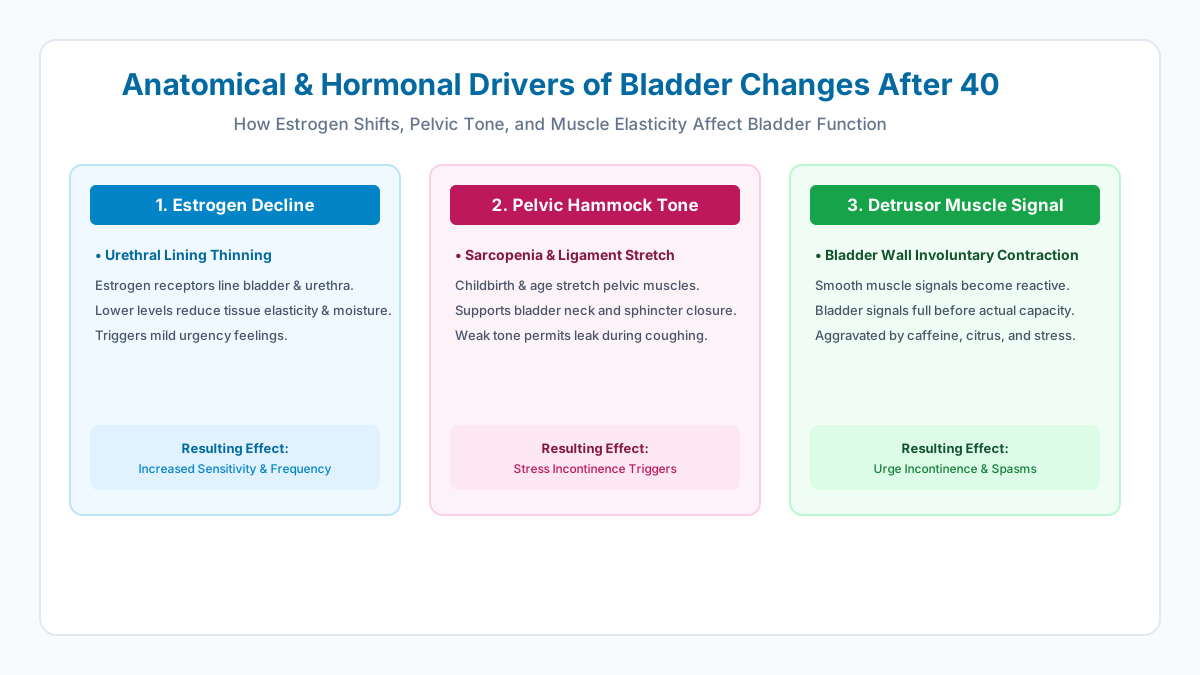
Figure 1: Anatomical & Hormonal Drivers of Bladder Changes After 40
1. Estrogen Decline & Urethral Lining Thinning
Estrogen receptors are heavily concentrated throughout the bladder mucosa, urethra, and pelvic floor tissues. Estrogen helps maintain the thickness, blood flow, and elasticity of the urethral lining, which acts as a natural seal. As estrogen levels drop during perimenopause, these tissues can become thinner and less resilient—a condition known as urogenital atrophy—making the bladder feel more sensitive or reactive.
2. Pelvic Hammock Laxity
The pelvic floor muscles form a supportive hammock anchoring the bladder neck and urethra. Past pregnancy, childbirth, chronic coughing, heavy lifting, or age-related muscle loss (sarcopenia) can weaken this supportive hammock. When pelvic muscles lose optimal tone, physical pressure on the abdomen can overcome urethral closure pressure.
3. Detrusor Muscle Reactivity
The detrusor muscle is the smooth muscle surrounding the bladder wall that relaxes as the bladder fills and contracts during urination. With age, the detrusor muscle can become overly sensitive, contracting involuntarily even when the bladder contains only a small amount of liquid.
Understanding Stress vs. Urge Incontinence
Bladder health changes generally manifest in two primary ways. Women can experience one or a combination of both (known as mixed incontinence):
- Stress Incontinence: Minor, sudden leaks that occur during physical exertion, such as coughing, sneezing, laughing, jumping, or lifting heavy grocery bags. This is primarily caused by physical pelvic floor muscle weakness.
- Urge Incontinence (Overactive Bladder): A sudden, intense urge to urinate that is difficult to delay, often followed by involuntary loss of urine before reaching the restroom. This is tied to detrusor muscle reactivity and nerve signaling.
Bladder Health Myths Women Should Stop Believing
💡 4 Common Bladder Myths Debunked
Myth 1: “Bladder leakage is an inevitable, permanent consequence of getting older.”
Reality: While age-related hormonal shifts change tissue elasticity, bladder leaks are not something women simply have to accept. Targeted pelvic muscle strengthening, fluid pacing, and dietary adjustments offer effective ways to support bladder control.
Myth 2: “Drinking less water is the best way to stop bladder urgency.”
Reality: Restricting water concentrates your urine, making it acidic and highly irritating to the bladder lining. Concentrated urine actually triggers stronger detrusor muscle spasms and urgency. Sipping water evenly throughout the day is far more beneficial.
Myth 3: “Kegels are only necessary right after giving birth.”
Reality: Pelvic floor muscles lose tone with age and estrogen decline just like any other muscle group. Regular Kegels and deep core breathing benefit women in their 40s, 50s, 60s, and 70s.
Myth 4: “Cutting out all liquids after 5 PM is necessary for sleep.”
Reality: Extreme fluid restriction in the late afternoon can cause dehydration. A gentle fluid cut-off window 2 hours before bedtime is sufficient to reduce nighttime awakenings without disrupting daytime hydration.
Midlife Bladder Scenarios: Real-Life Lifestyle Observations
Understanding how bladder changes present in everyday life helps demystify the experience:
💬 Common Midlife Bladder Scenario Observations
Scenario A (The Morning Coffee Trigger): Women in their mid-40s frequently notice that drinking two large cups of caffeinated black coffee on an empty stomach triggers sudden, intense urgency within 20 minutes. Shifting to one cup of lower-acid coffee paired with breakfast noticeably reduces bladder reactivity.
Scenario B (Exercise & High Impact): Women in their early 50s often experience minor leaks when participating in high-impact jump-rope or aerobic classes. Switching to knee-safe routines, as detailed in our guide on Low-Impact Cardio Workouts for Adults Over 50, eliminates unwanted joint and pelvic strain.
Scenario C (Nighttime Awakening): 謎Women over 60 frequently report waking up multiple times per night to urinate. Implementing a fluid cut-off window 2 hours before bedtime and performing gentle evening leg elevation allows the body to reabsorb fluid naturally before sleep.
Normal Age-Related Shifts vs. Symptoms Requiring Medical Review
It is reassuring to understand what shifts fall within normal midlife aging versus signs that warrant medical evaluation:
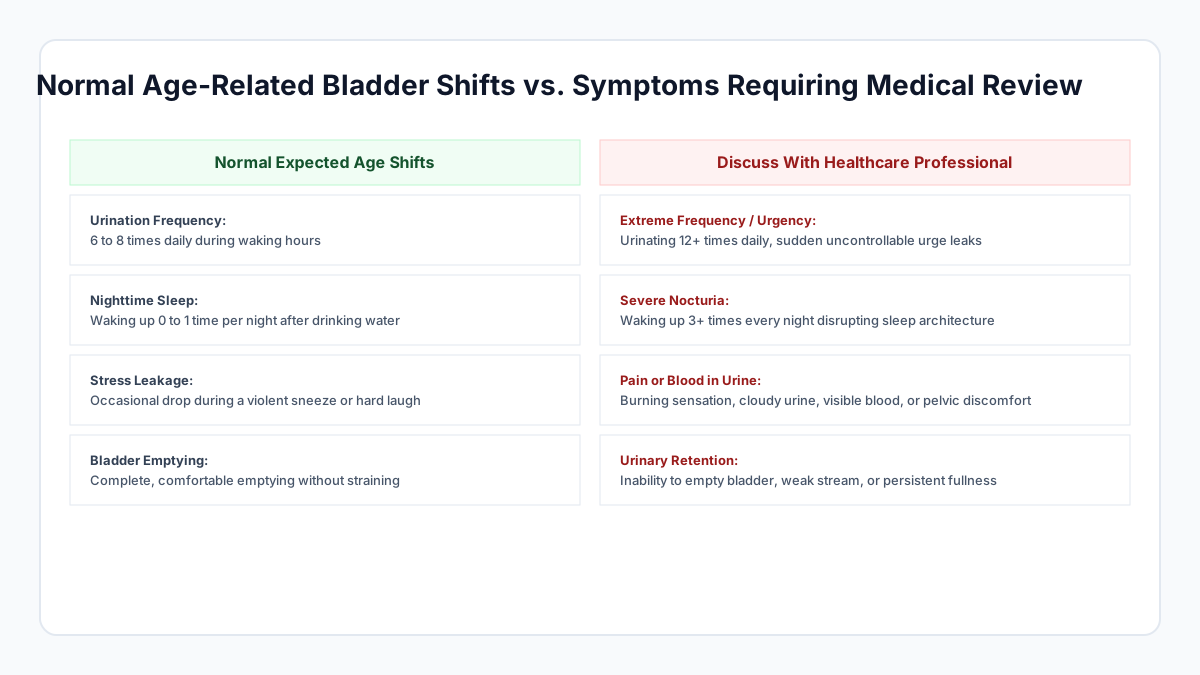
Figure 2: Normal Age-Related Bladder Shifts vs. Symptoms Requiring Medical Review
🩺 When to Consult a Healthcare Professional
Schedule a medical evaluation if you experience burning or pain during urination, cloudy or foul-smelling urine, visible blood, persistent pelvic pressure, or an inability to empty your bladder. These may indicate urinary tract infection (UTI), bladder prolapse, or kidney concerns that require targeted treatment.
The Role of Pelvic Floor Strengthening
The pelvic floor acts as a muscular foundation supporting the bladder neck and internal organs. Strengthening these deep muscles can significantly improve support and stress incontinence management.
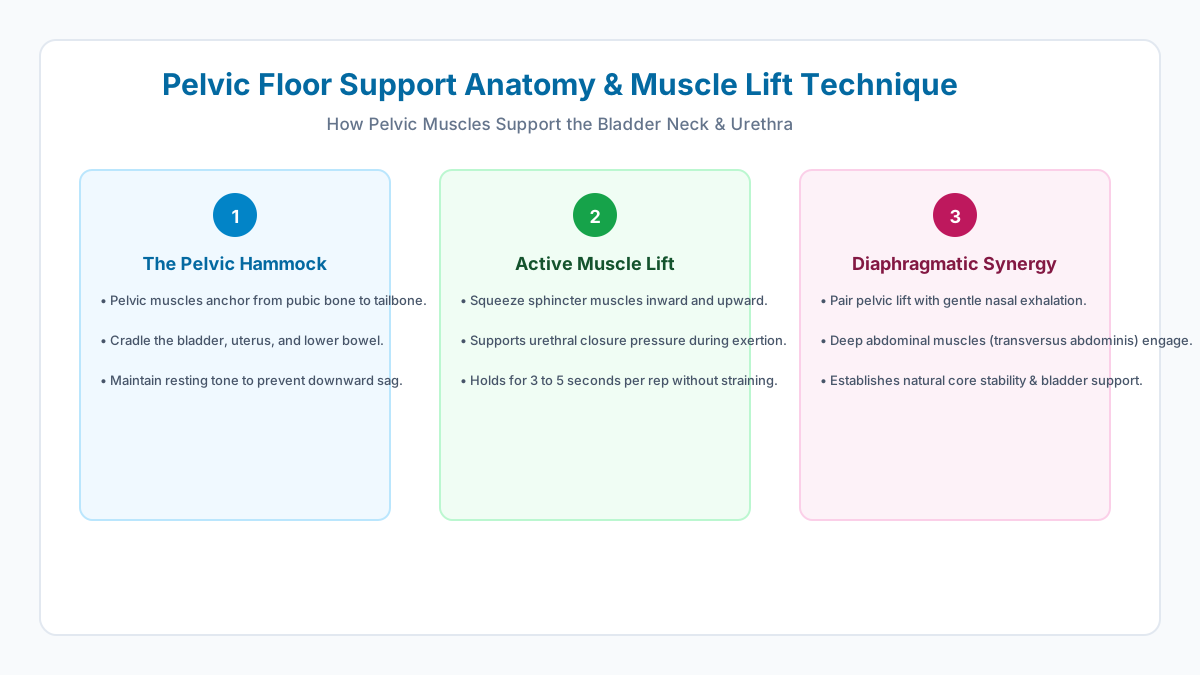
Figure 3: Pelvic Floor Support Anatomy & Muscle Lift Technique
🧘 Daily Pelvic Muscle Toning Technique
For full progression plans, explore our upcoming Pelvic Floor Health Guide:
- Isolate the Muscle: Sit or lie comfortably. Imagine attempting to stop gas or urine flow without tightening your buttocks or thighs.
- Squeeze and Lift: Gently contract the pelvic floor muscles inward and upward. Hold for 3 to 5 seconds.
- Fully Relax: Release the contraction completely for 5 seconds. Repeat 10 repetitions, 2 to 3 times daily.
Daily Lifestyle & Dietary Support Options
Small daily habits can dramatically enhance bladder comfort and reduce reactive urgency:
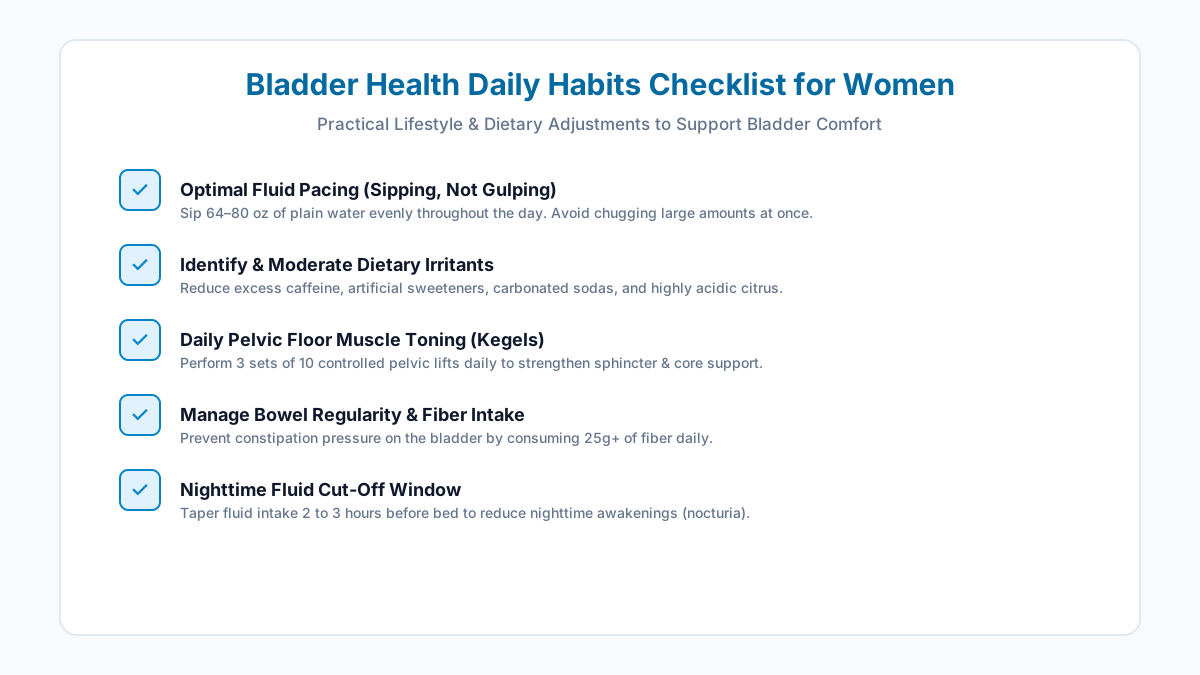
Figure 4: Bladder Wellness Daily Habits Checklist for Women
1. Optimal Fluid Pacing (Sipping vs. Gulping)
A common mistake is restricting water intake out of fear of leakage. Dehydration concentrates urine, making it acidic and highly irritating to the bladder lining. Instead, sip 64 to 80 ounces of water evenly throughout the day.
2. Moderating Bladder Irritants
Certain foods and drinks can act as direct bladder stimulants. Consider moderating:
- Caffeinated beverages (coffee, energy drinks, black tea)
- Carbonated sparkling waters and sodas
- Artificial sweeteners (aspartame, sucralose)
- Highly acidic citrus fruits and tomato sauces
- Alcohol and spicy foods
3. Managing Bowel Regularity
Chronic constipation can worsen bladder symptoms. The rectum sits directly behind the bladder; a full, sluggish bowel places physical pressure on the bladder wall, reducing its capacity. Consuming adequate dietary fiber daily—as outlined in our Anti-Inflammatory Diet Guide—supports smooth digestion.
Exploring Botanical & Nutritional Support Options
Women exploring natural wellness options often look into evidence-informed botanical ingredients that may support bladder muscle tone and urinary comfort:
- Pumpkin Seed Extract (Cucurbita pepo): Rich in natural phytosterols and essential fatty acids, pumpkin seed extract has been clinically studied for its potential to support pelvic muscle strength and bladder neck tone. For a complete ingredient deep-dive, read our guide on Natural Bladder Support for Women.
- Water-Soluble Soy Isoflavones: Plant phytoestrogens that may help support local tissue elasticity in postmenopausal women.
- Cranberry Extracts & D-Mannose: Help prevent unwanted bacteria from adhering to the urinary tract lining, supporting bladder cleanliness.
- Magnesium Glycinate: Helps encourage smooth muscle relaxation and reduce nocturnal muscle cramps.
Bladder Health After 40: A Simple Daily Checklist
Maintaining bladder comfort doesn’t require complex medical procedures. Incorporating these simple, non-medical daily habits can help support overall urinary health:
📋 Non-Medical Daily Bladder Wellness Routine
- ☐ Sip 64–80 oz of plain water evenly: Avoid chugging large volumes at once.
- ☐ Perform 3 sets of 10 Kegels: Lift and hold for 3–5 seconds with normal breathing.
- ☐ Moderate caffeine & acid irritants: Swap afternoon coffee for herbal chamomile or mint tea.
- ☐ Eat 25g+ of dietary fiber: Prevent constipation pressure on the bladder wall.
- ☐ Set a 2-hour fluid window before bed: Reduce nighttime awakenings comfortably.
Frequently Asked Questions About Bladder Health After 40
Is bladder leakage normal after 40?
Many women experience changes in bladder control after 40 due to natural hormonal shifts and changes in pelvic muscle tone. While common, leakage is not something women simply have to live with. Practicing daily pelvic floor exercises and fluid pacing can help support bladder control.
Can menopause affect bladder health?
Changes in estrogen levels during perimenopause and menopause may influence bladder tissue elasticity and urethral lining thickness, which can cause the bladder to feel more sensitive or reactive in some women.
Do pelvic floor exercises help bladder control?
When performed correctly and consistently, regular pelvic floor muscle exercises (Kegels) help strengthen the muscular support surrounding the bladder neck, which can reduce stress leakage during exertion.
When should women talk with a healthcare professional?
Schedule a professional medical evaluation if you experience pain or burning during urination, cloudy or bloody urine, severe pelvic pressure, or an inability to empty your bladder completely.
Are bladder support supplements worth considering?
Targeted botanical ingredients—such as pumpkin seed extract or cranberry—may complement healthy hydration habits and pelvic floor exercises. Women exploring dietary options should discuss new supplements with their doctor first.
📚 Related Women’s Health, Mobility & Nutrition Reading:
- Women’s Health After 40: Complete Guide to Hormones, Strength & Healthy Aging – Flagship pillar guide.
- Women’s Health Authority Hub – Explore our complete Women’s Health cluster.
- Mobility Exercises to Stay Flexible as You Age – Senior mobility and core support.
- Anti-Inflammatory Diet for Beginners – 7-day meal plan and supermarket grocery swaps.
- Low-Impact Cardio Workouts for Adults Over 50 – Knee-safe 20-minute exercise routine.
- How to Fall Asleep Fast: Science-Backed Sleep Hygiene Guide – Nighttime recovery tips.
🩺 Medical Disclaimer
The wellness information, guides, and suggestions provided in this article are for educational and motivational purposes only. This content is not a substitute for professional medical advice, diagnosis, treatment, or therapy. Always consult with a qualified healthcare professional or physician before starting any new diet, fitness program, or wellness plan.
Scientific References & Authoritative Sources
The following credible women’s health organizations provide evidence-informed clinical guidelines regarding female urinary health:
- American College of Obstetricians and Gynecologists (ACOG): Clinical Guidance for Pelvic Floor Dysfunction & Urinary Incontinence in Women. Available at: acog.org
- The North American Menopause Society (NAMS): Genitourinary Syndrome of Menopause (GSM) & Estrogen Management. Available at: menopause.org
- Harvard Health Publishing (Harvard Medical School): Step-by-Step Guide to Kegel Exercises & Bladder Control. Available at: health.harvard.edu