
⚡ Quick Answer: Women’s health after 40 shifts as perimenopause and estrogen fluctuations influence muscle retention, metabolic rate, bone density, and pelvic floor tone. Key evidence-backed habits include consuming adequate protein (1.0–1.4 g/kg), prioritizing resistance training, maintaining core alignment, and establishing consistent sleep hygiene.
Last Updated: August 9, 2026 | Reviewed by: HealthWellness4Us Editorial Team
📁 Category: Women’s Health Authority Hub
HealthWellness4Us creates evidence-informed wellness content focused on healthy aging, nutrition, fitness, and women’s health. Our articles prioritize accuracy, clarity, and responsible health education.
If you have ever stood quietly in front of your bathroom mirror, gently tracing the subtle shifts in your skin or wondering why your morning energy feels noticeably different than it did a decade ago, please take a deep breath. You are experiencing something profoundly natural. Many women in their 40s, 50s, and 60s share a quiet, familiar realization: the workout routines that used to keep them vibrant suddenly feel exhausting, sleep is lighter than it once was, and daily stress seems to settle deeper into the body. Your body isn’t failing you, nor have you done anything wrong. You are simply entering a magnificent, powerful phase of midlife physiological transformation.
For generations, women’s health after 40 was spoken about in hushed whispers or framed as an inevitable decline. Modern clinical science and exercise physiology offer a far more empowering truth: by understanding how your hormones, muscle density, bone metabolism, and pelvic floor tissues evolve after 40, you can adapt your nutrition, exercise, sleep, and stress care to feel stronger, clearer, and more grounded than ever before.
📌 Quick Navigation: Table of Contents
- 1. What Changes Happen to Women’s Health After 40?
- 2. Midlife Health Patterns: Clinical & Lifestyle Observations
- 3. Common Questions Women Quietly Ask After 40
- 4. The 4-Pillar Women’s Health Wellness Roadmap
- 5. Normal Expected Shifts vs. Doctor Discussion Signs
- 6. Nourishing Your Body: Nutrition Guidelines After 40
- 7. Pelvic Floor & Deep Core Muscle Health
- 8. Fitness Over 40: Protecting Joints & Building Strength
- 9. Frequently Asked Questions
⚕️ Women’s Medical & Educational Disclaimer
This guide provides general educational wellness information for women navigating physical and hormonal shifts after 40. It does not replace medical diagnosis, gynaecological care, or prescription therapy. If you experience severe pelvic pain, heavy irregular uterine bleeding, or debilitating symptoms, consult a qualified healthcare professional.
📋 Table of Contents
(Tap to expand)
- What Changes Happen to Women's Health After 40?
- What Many Women Notice During Midlife: Clinical & Lifestyle Observations
- Common Questions Women Quietly Ask After 40
- The 4-Pillar Women's Health Roadmap After 40
- Normal Aging Changes vs. Signs Worth Discussing With Your Doctor
- Nourishing Your Body: Nutrition Guidelines for Women Over 40
- Pelvic Floor & Deep Core Health
- Fitness Over 40: Protecting Joints & Building Strength
- Frequently Asked Questions About Women's Health After 40
- Scientific References & Authoritative Sources
What Changes Happen to Women’s Health After 40?
Beginning in your early-to-mid 40s, ovarian production of key reproductive hormones—primarily estrogen and progesterone—begins to fluctuate. This multi-year transition, known as perimenopause, leads up to menopause (defined as 12 consecutive months without a menstrual period). Parallel to hormonal shifts, changes occur in lean muscle mass, bone tissue density, and connective tissue elasticity.
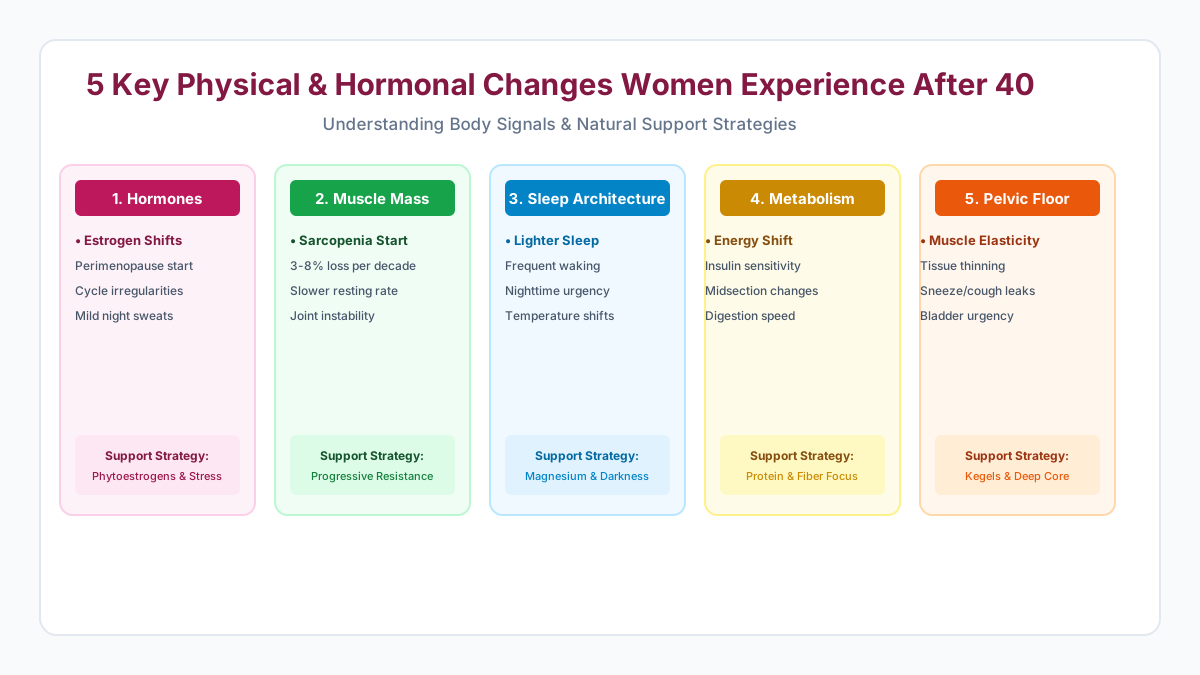
Figure 1: 5 Key Physical & Hormonal Changes Women Experience After 40
1. Hormonal Fluctuation & Perimenopause
Rather than dropping smoothly, estrogen levels spike and dip unpredictably during perimenopause. These fluctuations can alter menstrual flow length, trigger temporary temperature shifts or hot flashes, and influence neurotransmitters responsible for mood stability.
2. Natural Loss of Lean Muscle Mass (Sarcopenia)
Starting around age 40, adults naturally lose 3% to 8% of muscle mass per decade if they do not engage in regular resistance exercise. Because muscle tissue is metabolically active, this natural decline can slow resting energy expenditure and reduce joint stability.
3. Shifts in Sleep Quality
Progesterone acts as a natural calming neurosteroid in the brain. As progesterone levels taper off, women may experience lighter sleep, increased nighttime awakenings, or lower resilience to evening light exposure.
4. Pelvic Floor & Bladder Tone Changes
Estrogen receptors are heavily concentrated in pelvic floor muscles and urethral tissues. Lower circulating estrogen can cause connective tissues to lose elasticity, contributing to subtle pelvic muscle weakness, bladder urgency, or occasional stress incontinence during a cough or jump.
What Many Women Notice During Midlife: Clinical & Lifestyle Observations
Every woman’s journey through midlife is unique, yet common patterns emerge across clinical wellness observations and health surveys:
💬 Common Midlife Scenario Observations
Scenario A (Early 40s Transition): Women in their early 40s frequently notice that intense high-impact cardio sessions leave them feeling unusually fatigued for hours. Shifting toward joint-friendly resistance training and including adequate dietary protein at breakfast helps support steady energy.
Scenario B (Perimenopause Sleep Shifts): Around age 50, waking up at 3:00 AM with mild temperature shifts becomes a frequent concern. Dimming household screens an hour before bed, keeping the bedroom cool (65–68°F), and discussing dietary magnesium with a doctor can encourage rest.
Scenario C (Postmenopausal Active Longevity): Women over 60 often report minor bladder leakage when laughing or coughing hard. Practicing targeted Kegels and deep diaphragmatic breathing daily supports muscle tone and daily confidence.
Common Questions Women Quietly Ask After 40
❓ Questions Women Rarely Ask Out Loud
1. “Why am I storing weight around my midsection even though my diet hasn’t changed?”
As estrogen declines, the body naturally redistributes fat storage from the hips and thighs toward the abdomen. Additionally, elevated cortisol (the stress hormone) encourages visceral fat accumulation. Prioritizing protein, strength training, and stress management helps support healthy metabolic balance.
2. “Is it normal to feel more sensitive to stress than I used to?”
Yes. Estrogen helps regulate cortisol receptors. When estrogen levels fluctuate, your body’s stress response can feel more acute, making simple daily stressors feel unusually overwhelming.
3. “Why am I suddenly experiencing brain fog or mild forgetfulness?”
Estrogen promotes glucose utilization in brain cells. Temporary fluctuations in estrogen can cause transient cognitive fatigue or word-retrieval pauses. This is usually temporary and improves as hormonal patterns stabilize.
4. “Why do my joints feel stiffer in the morning?”
Estrogen provides a natural lubricating and anti-inflammatory effect on joint cartilage. As hormone levels change, gentle morning mobility stretching and staying hydrated help ease joint stiffness.
The 4-Pillar Women’s Health Roadmap After 40
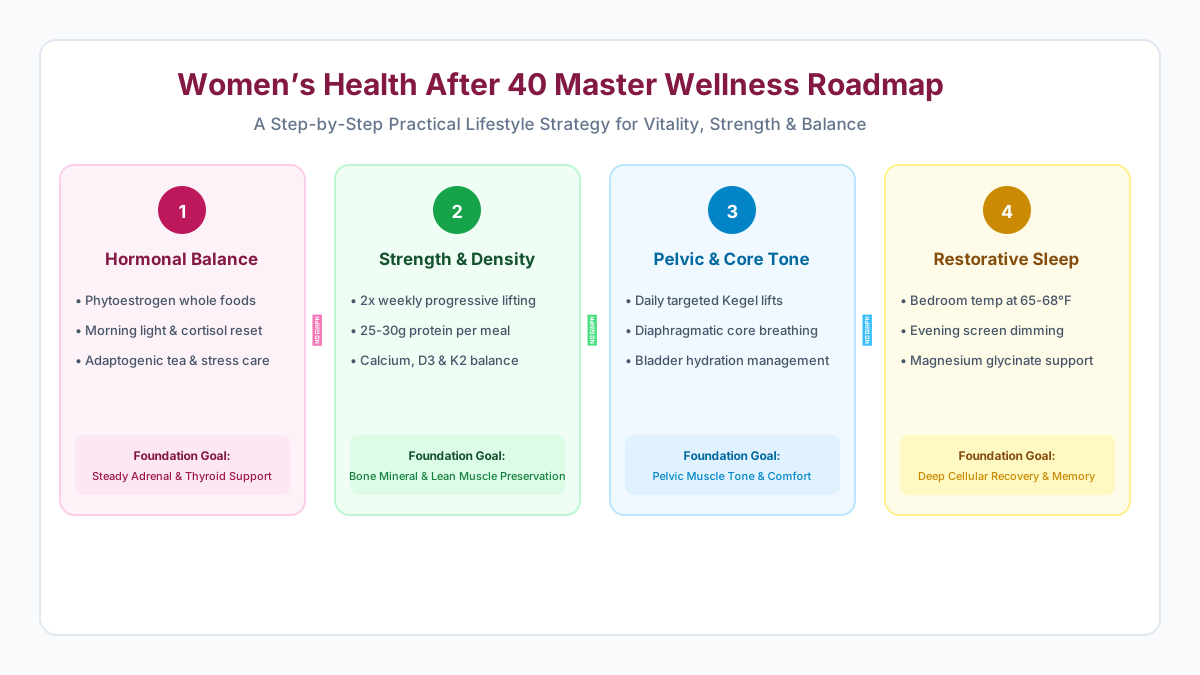
Figure 2: Women’s Health After 40 Master Wellness Roadmap
Building long-term vitality requires a holistic approach across four core pillars: Hormonal Balance, Strength & Density, Pelvic & Core Tone, and Restorative Sleep.
Normal Aging Changes vs. Signs Worth Discussing With Your Doctor
It is reassuring to understand what shifts fall within the normal spectrum of midlife aging versus symptoms that merit professional medical evaluation:
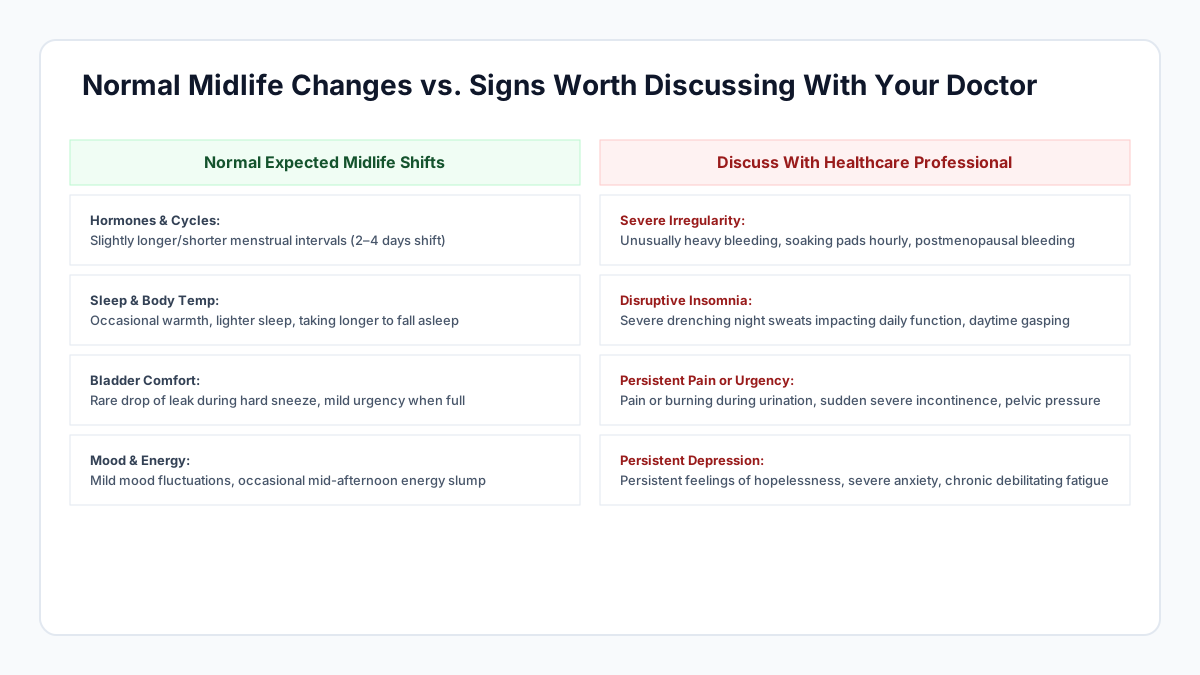
Figure 3: Normal Expected Midlife Shifts vs. Symptoms Requiring Medical Review
🩺 When to Talk With a Healthcare Professional
Always schedule a visit with your physician or gynaecologist if you experience unusually heavy bleeding, postmenopausal bleeding, severe pelvic pressure, burning during urination, or sudden unexplained weight loss. For detailed guidance on hormonal transitions, review our comprehensive Menopause Guide.
Nourishing Your Body: Nutrition Guidelines for Women Over 40
Dietary priorities evolve in your 40s and 50s. Rather than following restrictive low-calorie diets that can accelerate muscle loss, focus on high-quality nutrient density to support bone strength, blood sugar balance, and cellular energy:
- Include Adequate Dietary Protein: Women may benefit from including adequate protein throughout the day based on individual health needs, activity levels, and dietary choices.
- Emphasize Anti-Inflammatory Whole Foods: As detailed in our guide on the Anti-Inflammatory Diet for Beginners, incorporating dark berries, leafy greens, walnuts, and extra virgin olive oil may support normal inflammatory balance.
- Support Bone Density with Calcium & Vitamin D3: Pair calcium-rich foods (dairy, leafy greens, fortified plant milks) with Vitamin D3 and K2 to ensure calcium is properly absorbed into bone tissue.
- Increase Dietary Soluble Fiber: Consume 25+ grams of fiber daily from oats, beans, chia seeds, and vegetables to support digestion and hormone clearance.
Pelvic Floor & Deep Core Health
Your pelvic floor muscles form a supportive hammock for your bladder, uterus, and bowels. Maintaining pelvic muscle tone is essential for core stability, posture, and daily bladder confidence. For more details on natural habit adjustments, explore our dedicated Bladder Health After 40 Guide.
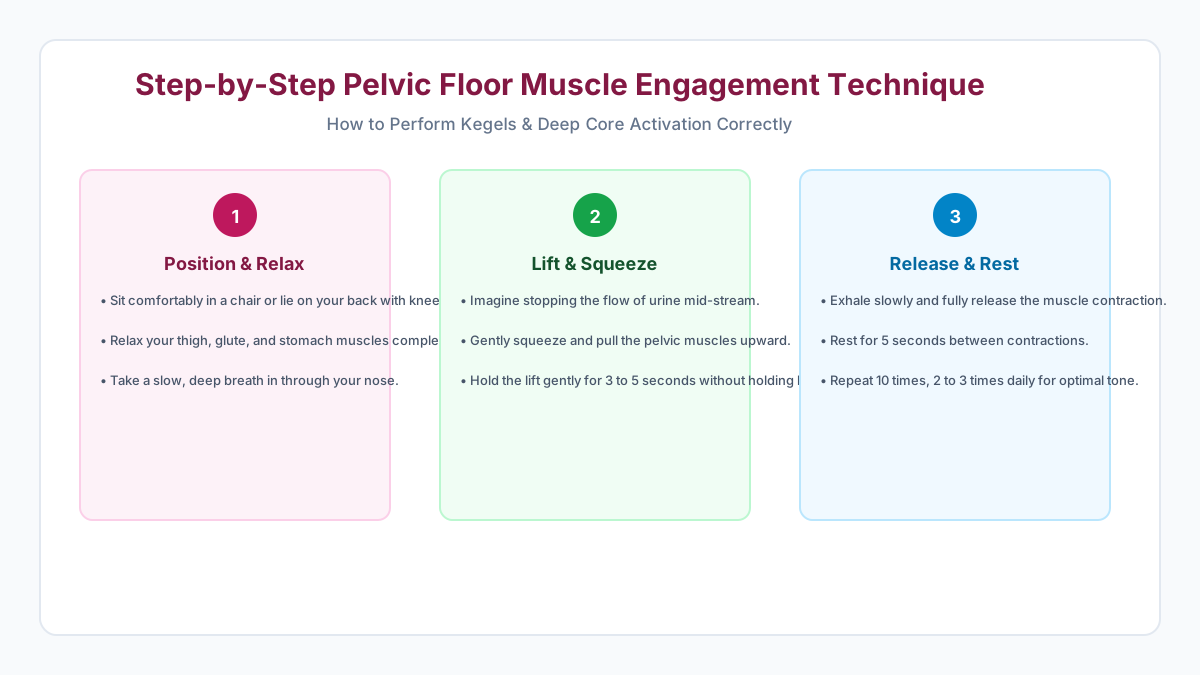
Figure 4: Step-by-Step Pelvic Floor Muscle Engagement Technique
🧘 Step-by-Step Pelvic Floor Exercise Routine
For full exercise breakdowns and daily progression routines, read our complete Pelvic Floor Health Guide:
- Find a Comfortable Position: Sit upright in a chair or lie flat on your back with knees bent and feet flat on the floor.
- Engage the Lift: Imagine gently stopping the flow of urine mid-stream. Slowly lift and squeeze the pelvic muscles upward.
- Hold & Breathe: Hold the lift for 3 to 5 seconds while breathing normally through your nose. Do not hold your breath or clench your buttocks.
- Fully Release: Relax the muscle completely for 5 seconds. Repeat 10 times, 2 to 3 times per day.
Fitness Over 40: Protecting Joints & Building Strength
Cardio remains vital for heart health, but strength training becomes essential after 40. Engaging in progressive resistance workouts twice a week helps stimulate bone remodeling and preserves joint mobility.
Complement strength sessions with gentle, low-impact exercise. As covered in our guide on Low-Impact Cardio Workouts for Adults Over 50, non-jumping movements like marching, side-stepping, and brisk walking elevate your heart rate while keeping joint impact remarkably low.
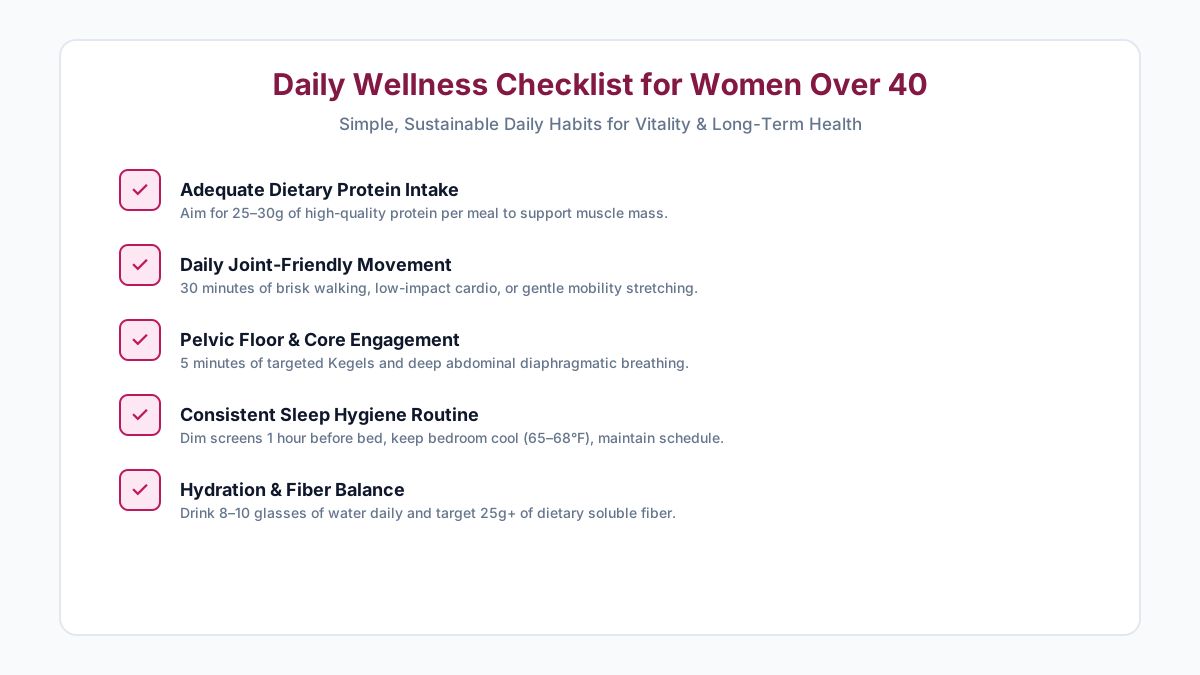
Figure 5: Daily Wellness Checklist for Women Over 40
Frequently Asked Questions About Women’s Health After 40
What changes happen to women’s health after 40?
Women often experience fluctuating estrogen levels, gradual changes in lean muscle density, shifts in sleep depth, and subtle changes in pelvic floor muscle tone. Adopting nutrient-dense eating patterns, progressive strength training, and targeted sleep hygiene supports overall vitality during this transition.
How can women support healthy aging naturally?
Focus on foundational lifestyle habits: women may benefit from including adequate protein throughout the day based on their individual health needs, engaging in regular joint-friendly strength and cardio workouts, practicing daily pelvic floor exercises, prioritizing 7 to 8 hours of quality sleep as outlined in our Sleep Hygiene Guide, and maintaining routine preventative medical checkups.
When should women talk to a healthcare professional?
Schedule an evaluation if you experience unusually heavy or irregular uterine bleeding, severe drenching night sweats, persistent pelvic pain or pressure, severe mood changes, or burning during urination.
Are supplements helpful for women over 40?
Targeted dietary supplements—such as Vitamin D3/K2 for bone health, magnesium for muscle relaxation, or natural botanical extracts designed to support bladder comfort—may complement a balanced whole-food diet. Always discuss new supplements with your doctor first.
📚 Related Healthy Aging, Nutrition & Fitness Reading:
- Women’s Health Authority Hub – Complete women’s health pillar network.
- Healthy Aging: Tips for Maintaining Mobility and Brain Health – Longevity and cognitive health.
- Anti-Inflammatory Diet for Beginners – 7-day meal plan and supermarket food list.
- Low-Impact Cardio Workouts for Adults Over 50 – Knee-safe 20-minute exercise routine.
- How to Fall Asleep Fast: Science-Backed Sleep Hygiene Guide – Nighttime recovery tips.
- Nutrition Guides: Principles of Healthy Eating – Understanding macros and whole foods.
🩺 Medical Disclaimer
The wellness information, guides, and suggestions provided in this article are for educational and motivational purposes only. This content is not a substitute for professional medical advice, diagnosis, treatment, or therapy. Always consult with a qualified healthcare professional or physician before starting any new diet, fitness program, or wellness plan.
Scientific References & Authoritative Sources
The following credible women’s health organizations provide evidence-informed clinical guidelines and educational research regarding midlife health:
- American College of Obstetricians and Gynecologists (ACOG): Clinical Guidance for Women’s Health After 40 & Pelvic Floor Health. Available at: acog.org
- The North American Menopause Society (NAMS): Menopause Practice: A Clinician’s Guide & Perimenopause Symptom Management. Available at: menopause.org
- Harvard Health Publishing (Harvard Medical School): Staying Healthy After 40 & Exercise Guidelines for Women. Available at: health.harvard.edu
Looking for consistent daily vitality? Explore our overview on how a 60-second morning wellness habit can help support steady energy and healthy metabolism.
📊 Interactive Tools: Estimate your daily nutritional needs using our Protein Calculator for Women Over 40 and track total daily energy expenditure with our Daily Calorie Calculator.