Welcome to HealthWellness4US, your source for evidence-based health and wellness education. When exploring exercises for seniors, the goal is always to build sustainable daily habits that support your long-term health and well-being. Modern health consensus emphasizes that a healthy lifestyle is not built on temporary restrictions, but on gradual changes to your daily nutrition, physical activity, sleep, and stress patterns. In this guide, we break down the latest scientific research and provide practical, beginner-friendly advice to help you reach your wellness goals safely and effectively.
Prioritizing your well-being requires understanding how your body responds to exercise, diet, and rest. By exploring these evidence-based principles, you can take control of your metabolic health, lower blood pressure, and find emotional balance. Let us dive into the core strategies and science-backed habits that can transform your daily wellness journey starting today.
📋 Table of Contents
(Tap to expand)
Why Strength and Balance are Vital for Older Adults
Reducing the Risk of Fall Injuries
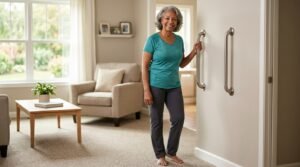
As we age, our balance and coordination naturally decline, raising the risk of fall-related injuries. Falls are a leading cause of bone fractures and loss of mobility in older adults. Incorporating exercises for seniors into your weekly routine is a highly effective way to build stability and maintain your independence. Combining light strength training with balance work helps keep your muscles responsive and your joints stable.
Implementing this requires a progressive approach. For instance, when establishing new patterns, the body adapts best to minor, consistent changes. This method minimizes stress responses and supports cellular recovery. Studies published by major research institutions, such as the National Institutes of Health (NIH), confirm that consistency is the primary factor in cognitive and cardiorespiratory improvement. Make sure you adjust these steps to fit your personal fitness levels and consult your primary care doctor before introducing changes to your routine.
Safe Strength Exercises for Home or Gym
Chair Squats, Wall Push-Ups, and Band Rows
Senior strength routines should focus on compound movements that support daily activities. Chair squats—sitting down and standing up from a sturdy chair—build quad and glute strength, which helps with walking and standing. Wall push-ups strengthen the chest, shoulders, and arms without strain. Resistance band rows work the upper back, supporting healthy posture and spine alignment.
Implementing this requires a progressive approach. For instance, when establishing new patterns, the body adapts best to minor, consistent changes. This method minimizes stress responses and supports cellular recovery. Studies published by major research institutions, such as the National Institutes of Health (NIH), confirm that consistency is the primary factor in cognitive and cardiorespiratory improvement. Make sure you adjust these steps to fit your personal fitness levels and consult your primary care doctor before introducing changes to your routine.
Targeted Balance Workouts for Daily Stability
Single-Leg Stands and Heel-to-Toe Walks
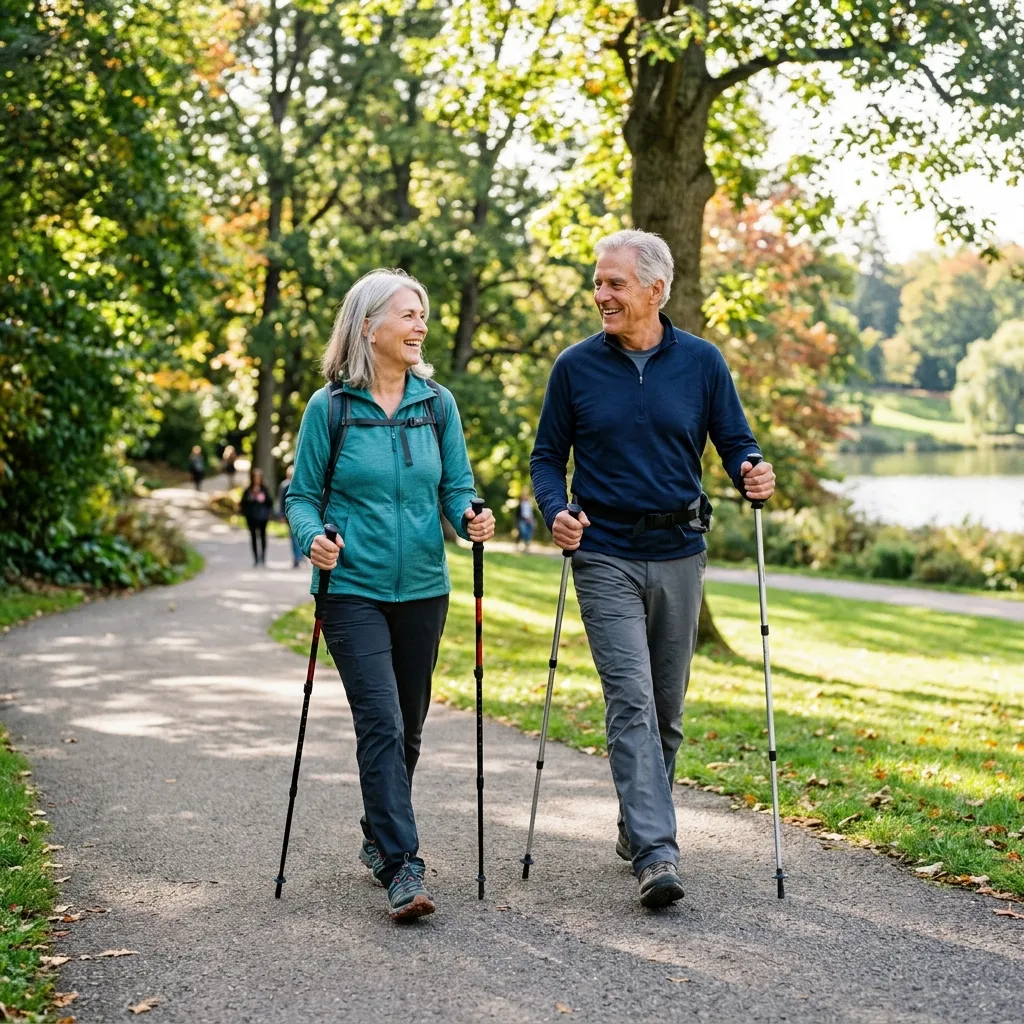
To improve balance, practice simple stability drills next to a wall or counter for support. Try standing on one leg for 15 to 30 seconds, then swap sides. Another excellent exercise is the heel-to-toe walk, where you place one foot directly in front of the other in a straight line. Pair these with regular walking routines to build confidence, support mobility, and enjoy the benefits of healthy aging tips.
Implementing this requires a progressive approach. For instance, when establishing new patterns, the body adapts best to minor, consistent changes. This method minimizes stress responses and supports cellular recovery. Studies published by major research institutions, such as the National Institutes of Health (NIH), confirm that consistency is the primary factor in cognitive and cardiorespiratory improvement. Make sure you adjust these steps to fit your personal fitness levels and consult your primary care doctor before introducing changes to your routine.
Monetization & Recommendations
🛍️ Recommended Accessory: Resistance Band Set with Handles
A set of premium resistance bands provides a safe, low-impact alternative to heavy weights, perfect for senior home exercises.
Affiliate Disclosure: This post contains affiliate links. If you purchase through these links, we may earn a small commission at no extra cost to you. We only recommend products we trust and believe will support your wellness goals.
Frequently Asked Questions
Q1: What are the best exercises for seniors?
Chair squats, wall push-ups, resistance band rows, single-leg stands, and brisk walking.
Q2: How often should seniors do strength exercises?
Aim for 2 to 3 days per week, allowing rest days between sessions.
Q3: How can seniors prevent falls?
By combining balance exercises, strength training, regular eye checks, and removing home hazards.
Q4: Are resistance bands safe for older adults?
Yes, they are low-impact, highly adjustable, and provide steady tension without the risk of dropping weights.
Q5: Can walking improve balance in seniors?
Yes, walking builds baseline leg strength, cardiovascular endurance, and coordination.
Conclusion
In summary, achieving long-term wellness is a journey built on small, daily choices. Whether you are focusing on nutrition, starting a beginner exercise routine, or working on stress control, consistency is key. We hold all our health content to the site’s rigorous Editorial Standards. Use these science-backed strategies to guide your journey, listen to your body, and consult a qualified healthcare provider for personalized medical advice.

About the Author: Dr. Kayra Reven
Dr. Kayra Reven is the Lead Medical and Wellness Writer at HealthWellness4US. Driven by a philosophy of evidence-based education and compassionate guidance, her writing approach focuses on translating complex clinical research into practical daily habits. She holds all content to the site’s rigorous Editorial Standards.
Explore all longevity and movement strategies in our pillars of healthy aging.
🩺 Medical Disclaimer
The wellness information, guides, and suggestions provided in this article are for educational and motivational purposes only. This content is not a substitute for professional medical advice, diagnosis, treatment, or therapy. Always consult with a qualified healthcare professional or physician before starting any new diet, fitness program, or wellness plan.