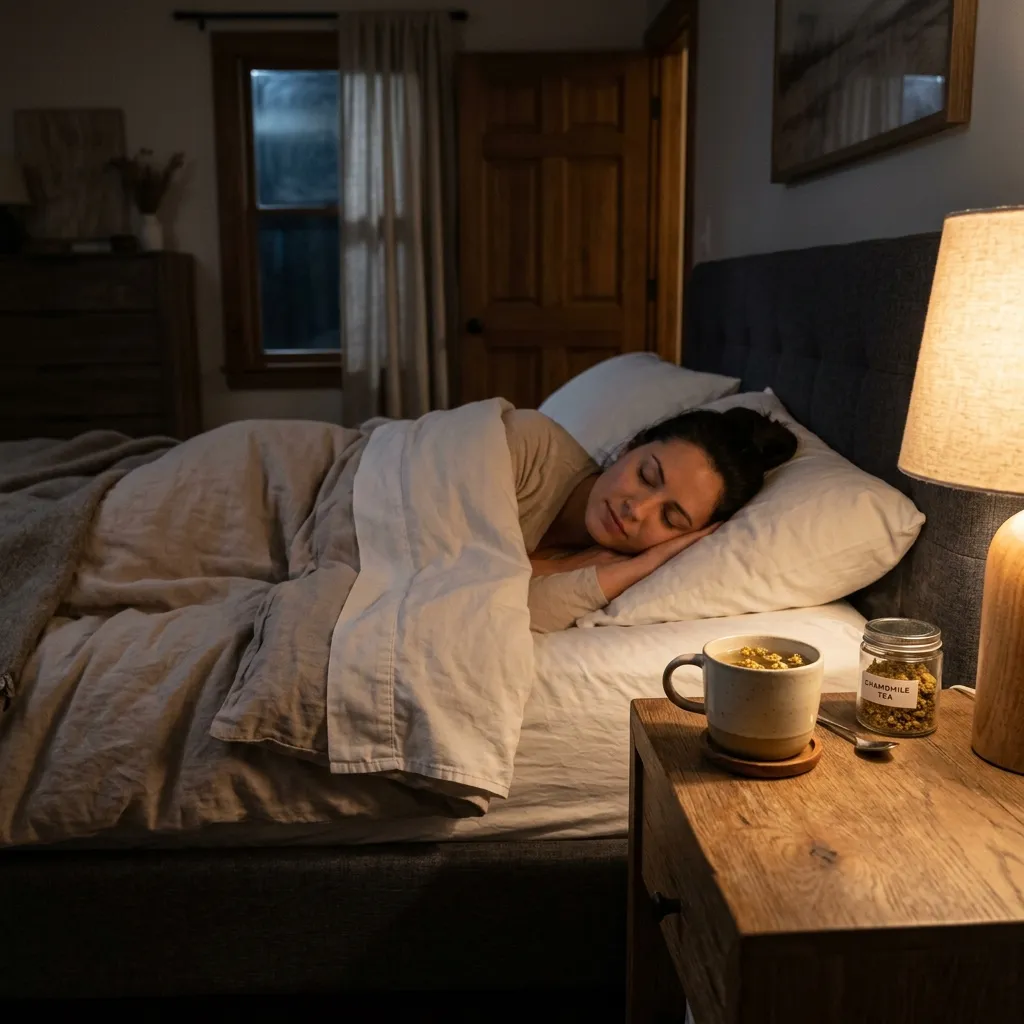
Welcome to HealthWellness4US, your source for evidence-based health and wellness education. When exploring sleep hygiene tips, the goal is always to build sustainable daily habits that support your long-term health and well-being. Modern health consensus emphasizes that a healthy lifestyle is not built on temporary restrictions, but on gradual changes to your daily nutrition, physical activity, sleep, and stress patterns. In this guide, we break down the latest scientific research and provide practical, beginner-friendly advice to help you reach your wellness goals safely and effectively.
Prioritizing your well-being requires understanding how your body responds to exercise, diet, and rest. By exploring these evidence-based principles, you can take control of your metabolic health, lower blood pressure, and find emotional balance. Let us dive into the core strategies and science-backed habits that can transform your daily wellness journey starting today.
📋 Table of Contents
(Tap to expand)
Understanding the Circadian Rhythm
How Your Internal Clock Regulates Sleep
Sleep hygiene refers to the daily habits and environmental factors that support high-quality, restorative sleep. Your sleep-wake cycle is governed by your circadian rhythm, a 24-hour internal clock that responds to light and dark signals. Exposing your eyes to natural morning sunlight helps set this clock, while reducing blue light exposure from screens in the evening is one of the most important sleep hygiene tips to allow natural melatonin production.
Implementing this requires a progressive approach. For instance, when establishing new patterns, the body adapts best to minor, consistent changes. This method minimizes stress responses and supports cellular recovery. Studies published by major research institutions, such as the National Institutes of Health (NIH), confirm that consistency is the primary factor in cognitive and cardiorespiratory improvement. Make sure you adjust these steps to fit your personal fitness levels and consult your primary care doctor before introducing changes to your routine.
Optimizing Your Sleep Environment
Temperature, Light, and Sound Guidelines
Your bedroom environment has a direct impact on your sleep quality. Research shows that the optimal room temperature for sleep is cool, between 60 and 67 degrees Fahrenheit (15-19 degrees Celsius). Keep the room pitch black using blackout curtains or an eye mask, and block disruptive noises with white noise machines or earplugs. Minimizing electronic devices in the bedroom helps separate work stress from your sleep space.
Implementing this requires a progressive approach. For instance, when establishing new patterns, the body adapts best to minor, consistent changes. This method minimizes stress responses and supports cellular recovery. Studies published by major research institutions, such as the National Institutes of Health (NIH), confirm that consistency is the primary factor in cognitive and cardiorespiratory improvement. Make sure you adjust these steps to fit your personal fitness levels and consult your primary care doctor before introducing changes to your routine.
Structuring a Relaxing Wind-Down Routine
Evening Habits for Deeper Rest
To prepare your central nervous system for rest, establish a consistent wind-down routine 60 minutes before bed. Engage in low-stimulation activities like reading a physical book, stretching, journaling, or taking a warm bath. Additionally, avoid heavy meals, alcohol, and intense exercise within 3 hours of bedtime, as these raise core body temperature and disrupt deep sleep stages.
Implementing this requires a progressive approach. For instance, when establishing new patterns, the body adapts best to minor, consistent changes. This method minimizes stress responses and supports cellular recovery. Studies published by major research institutions, such as the National Institutes of Health (NIH), confirm that consistency is the primary factor in cognitive and cardiorespiratory improvement. Make sure you adjust these steps to fit your personal fitness levels and consult your primary care doctor before introducing changes to your routine.
Monetization & Recommendations
🛍️ Recommended Accessory: Contoured Memory Foam Pillow
An ergonomic memory foam pillow supports neck alignment, reduces pressure points, and prevents tossing and turning.
Affiliate Disclosure: This post contains affiliate links. If you purchase through these links, we may earn a small commission at no extra cost to you. We only recommend products we trust and believe will support your wellness goals.
Frequently Asked Questions
Q1: What are the best sleep hygiene tips?
Maintain a sleep schedule, limit blue light exposure, keep your bedroom cool and dark, and avoid caffeine late in the day.
Q2: Why is blue light bad for sleep?
Blue light suppresses melatonin, the hormone that signals your body it is time to sleep, tricking the brain into thinking it is daytime.
Q3: How cold should your bedroom be for sleep?
Aim for 60 to 67 degrees Fahrenheit (15-19 degrees Celsius) to facilitate the natural drop in core body temperature.
Q4: Does alcohol help you sleep?
Although alcohol can make you fall asleep faster, it blocks REM sleep, leading to fragmented, low-quality rest.
Q5: How long does caffeine stay in your system?
Caffeine has a half-life of 5 to 7 hours, so avoid it for at least 6 hours before your scheduled bedtime.
Conclusion
In summary, achieving long-term wellness is a journey built on small, daily choices. Whether you are focusing on nutrition, starting a beginner exercise routine, or working on stress control, consistency is key. We hold all our health content to the site’s rigorous Editorial Standards. Use these science-backed strategies to guide your journey, listen to your body, and consult a qualified healthcare provider for personalized medical advice.

About the Author: Dr. Kayra Reven
Dr. Kayra Reven is the Lead Medical and Wellness Writer at HealthWellness4US. Driven by a philosophy of evidence-based education and compassionate guidance, her writing approach focuses on translating complex clinical research into practical daily habits. She holds all content to the site’s rigorous Editorial Standards.
For a complete master strategy, explore our complete sleep improvement guide.
🩺 Medical Disclaimer
The wellness information, guides, and suggestions provided in this article are for educational and motivational purposes only. This content is not a substitute for professional medical advice, diagnosis, treatment, or therapy. Always consult with a qualified healthcare professional or physician before starting any new diet, fitness program, or wellness plan.