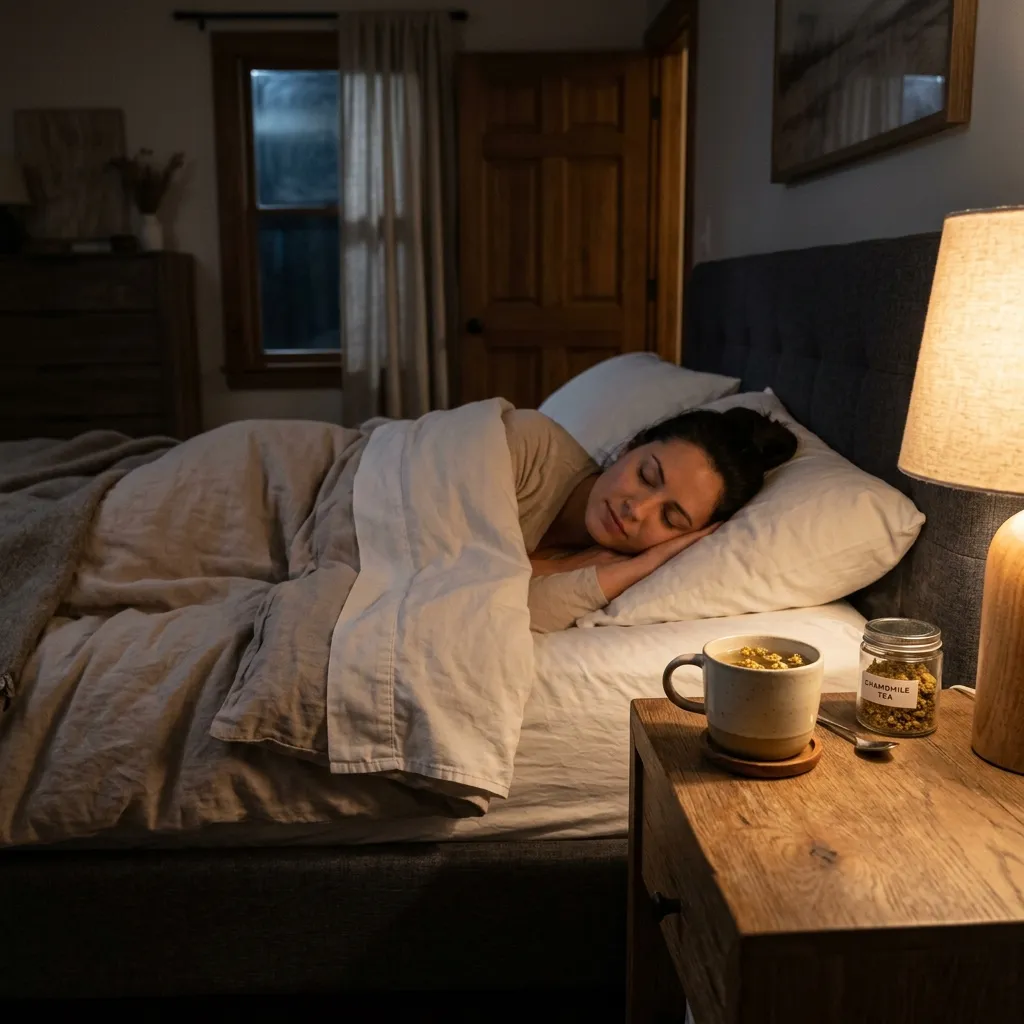
Welcome to HealthWellness4US, your source for evidence-based health and wellness education. When exploring morning habits for better sleep, the goal is always to build sustainable daily habits that support your long-term health and well-being. Modern health consensus emphasizes that a healthy lifestyle is not built on temporary restrictions, but on gradual changes to your daily nutrition, physical activity, sleep, and stress patterns. In this guide, we break down the latest scientific research and provide practical, beginner-friendly advice to help you reach your wellness goals safely and effectively.
Prioritizing your well-being requires understanding how your body responds to exercise, diet, and rest. By exploring these evidence-based principles, you can take control of your metabolic health, lower blood pressure, and find emotional balance. Let us dive into the core strategies and science-backed habits that can transform your daily wellness journey starting today.
📋 Table of Contents
(Tap to expand)
Why Tonight’s Sleep Starts This Morning
The Cortisol and Melatonin Connection
Many people focus on their bedtime routine to fix sleep issues, but morning habits for better sleep are just as important. Your body operates on a hormonal cycle where cortisol spikes in the morning to wake you up, and melatonin rises in the evening to prepare you for sleep. Establishing a healthy morning routine helps calibrate this cycle, ensuring melatonin is released at the right time tonight so you can fall asleep easily.
Implementing this requires a progressive approach. For instance, when establishing new patterns, the body adapts best to minor, consistent changes. This method minimizes stress responses and supports cellular recovery. Studies published by major research institutions, such as the National Institutes of Health (NIH), confirm that consistency is the primary factor in cognitive and cardiorespiratory improvement. Make sure you adjust these steps to fit your personal fitness levels and consult your primary care doctor before introducing changes to your routine.
The Power of Morning Sunlight
Setting Your Circadian Rhythm Instantly
Exposing your eyes to natural morning sunlight is the single most effective way to regulate your circadian rhythm. Step outside for 10 to 15 minutes within 30 minutes of waking. This stops melatonin production and triggers a healthy cortisol response. If you wake up before sunrise, use a bright light therapy box or dawn simulator, then step outside once the sun rises to reinforce this biological signal.
Implementing this requires a progressive approach. For instance, when establishing new patterns, the body adapts best to minor, consistent changes. This method minimizes stress responses and supports cellular recovery. Studies published by major research institutions, such as the National Institutes of Health (NIH), confirm that consistency is the primary factor in cognitive and cardiorespiratory improvement. Make sure you adjust these steps to fit your personal fitness levels and consult your primary care doctor before introducing changes to your routine.
Managing Caffeine and Morning Movement
Delaying Your First Cup of Coffee
To optimize morning energy and evening sleep, delay your first cup of coffee by 90 to 120 minutes after waking. This allows adenosine (the chemical that causes sleepiness) to clear naturally, preventing an afternoon crash. Additionally, incorporate light movement, like a walk or stretching, in the morning. Exercise raises core body temperature and helps set your biological clock, supporting better sleep quality tonight.
Implementing this requires a progressive approach. For instance, when establishing new patterns, the body adapts best to minor, consistent changes. This method minimizes stress responses and supports cellular recovery. Studies published by major research institutions, such as the National Institutes of Health (NIH), confirm that consistency is the primary factor in cognitive and cardiorespiratory improvement. Make sure you adjust these steps to fit your personal fitness levels and consult your primary care doctor before introducing changes to your routine.
Monetization & Recommendations
🛍️ Recommended Accessory: Dawn Simulator Alarm Clock
A sunrise alarm clock wakes you up gently with light that mimics the dawn, helping to regulate your cortisol curve.
Affiliate Disclosure: This post contains affiliate links. If you purchase through these links, we may earn a small commission at no extra cost to you. We only recommend products we trust and believe will support your wellness goals.
Frequently Asked Questions
Q1: What morning habits for better sleep are best?
Morning sunlight exposure, delaying caffeine, waking up at the same time daily, and light exercise.
Q2: Why should I delay morning caffeine?
Delaying caffeine allows adenosine to clear naturally, which helps prevent an afternoon crash and supports evening sleep.
Q3: How long should I stay in morning sunlight?
Aim for 10 to 15 minutes on a clear day, and 20 to 30 minutes on an overcast day.
Q4: Does waking up at the same time help sleep?
Yes, a consistent wake time anchors your circadian rhythm, making it easier to fall asleep at the same time each night.
Q5: Can I use indoor light instead of sunlight?
Sunlight is much brighter than standard indoor lighting, but a specialized light therapy box can help in the winter.
Conclusion
In summary, achieving long-term wellness is a journey built on small, daily choices. Whether you are focusing on nutrition, starting a beginner exercise routine, or working on stress control, consistency is key. We hold all our health content to the site’s rigorous Editorial Standards. Use these science-backed strategies to guide your journey, listen to your body, and consult a qualified healthcare provider for personalized medical advice.

About the Author: Dr. Kayra Reven
Dr. Kayra Reven is the Lead Medical and Wellness Writer at HealthWellness4US. Driven by a philosophy of evidence-based education and compassionate guidance, her writing approach focuses on translating complex clinical research into practical daily habits. She holds all content to the site’s rigorous Editorial Standards.
Discover all evidence-based sleep strategies in our complete sleep improvement guide.
🩺 Medical Disclaimer
The wellness information, guides, and suggestions provided in this article are for educational and motivational purposes only. This content is not a substitute for professional medical advice, diagnosis, treatment, or therapy. Always consult with a qualified healthcare professional or physician before starting any new diet, fitness program, or wellness plan.